Hurricane season on St. Croix runs from June 1 to November 30, and in most years not one of its weeks brings a hurricane to the island. Guests visit right through it. June and July are summer family months, September and October bring the warmest sea of the year and the quietest beaches, and November is one of the villa's popular months. This guide covers when the season runs, how forecasts give days of notice, how to book with confidence, and how the villa managers help if a storm is ever forecast.
183 daysSeason length
Sep 10Statistical peak
7 daysNHC outlook range
60+ daysFull-refund window
about 85°FSea in Sep and Oct
When the season runs
Guests enjoy St. Croix in every month of the year, and the season's dates are simple to plan around. The Atlantic hurricane season officially runs from June 1 through November 30, 183 days, and that is the range people mean when they say "hurricane season." Within it, activity follows a gentle curve. The National Hurricane Center's climatology page puts it this way: "The peak of the Atlantic hurricane season is September 10, with most activity occurring between mid-August and mid-October." The months on either side of that window are quieter, and together they make up most of the season.
The same page gives the usual timing across the whole Atlantic basin, an area that stretches from Texas to the Cape Verde islands off Africa. The first named storm of a season usually forms in mid to late June, and the first hurricane in early to mid-August. Most of those systems form and travel far from the Virgin Islands, out over thousands of miles of open ocean.
Put those dates together and the shape of the season is easy to read: a slow start in June and July, a rise through late August, a crest around September 10, and a steady easing through October into a November that is, statistically, nearly quiet. Storms can form outside the busiest weeks, which is why the few planning habits later in this guide are written to work for any date between June and November.
For a guest, the practical takeaway is short. Every week of the season is a normal week on St. Croix's East End: the beach, the reef, the pool deck and the restaurants in Christiansted are all there. The steps that make a summer or fall trip easy, a flight you can change, travel insurance bought when you book, and a word with the villa managers, take about an hour and cover every date in the season. The best-time guide compares the whole year month by month, and the weather guide has the temperatures and the trade wind for each month.
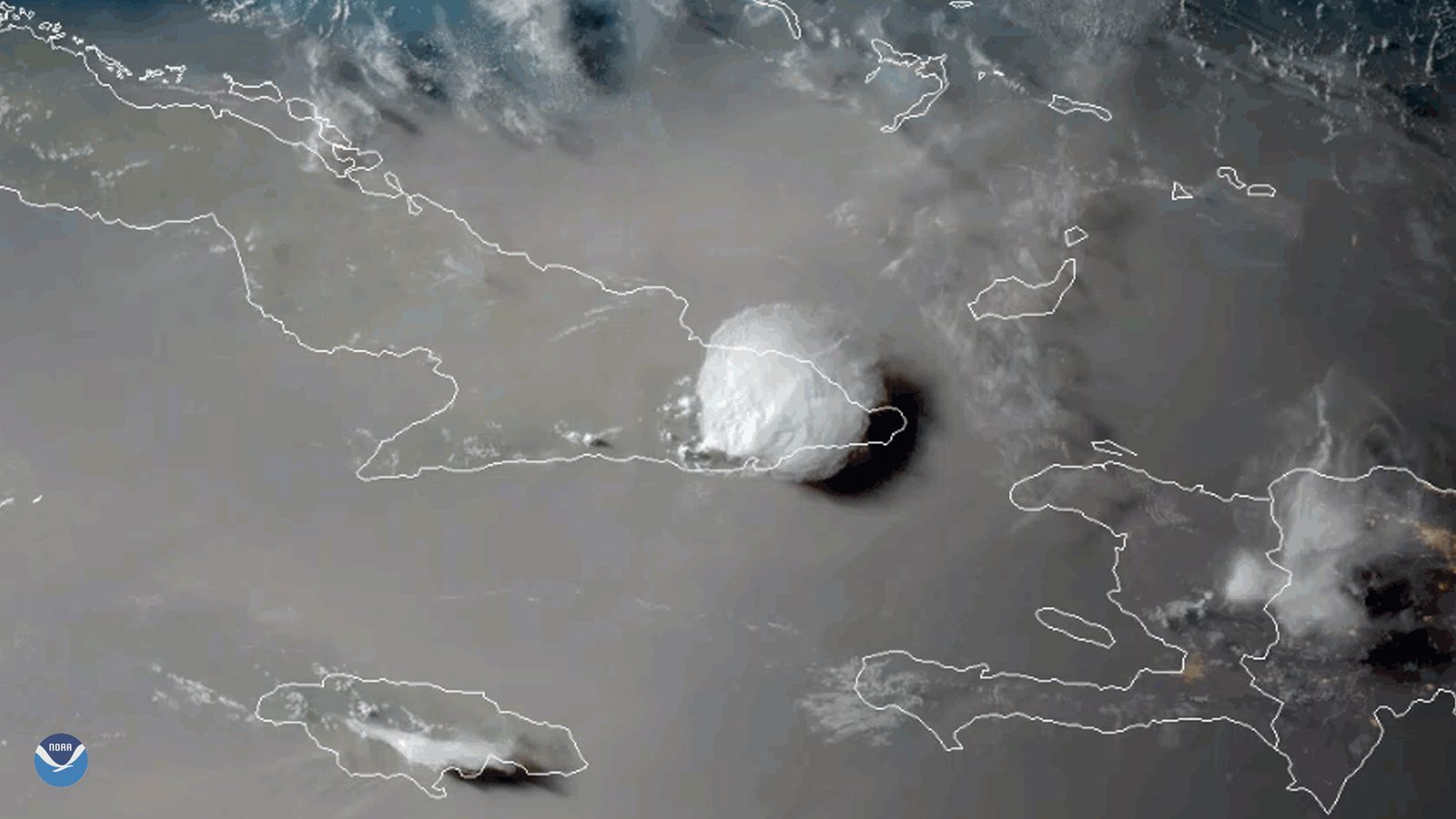
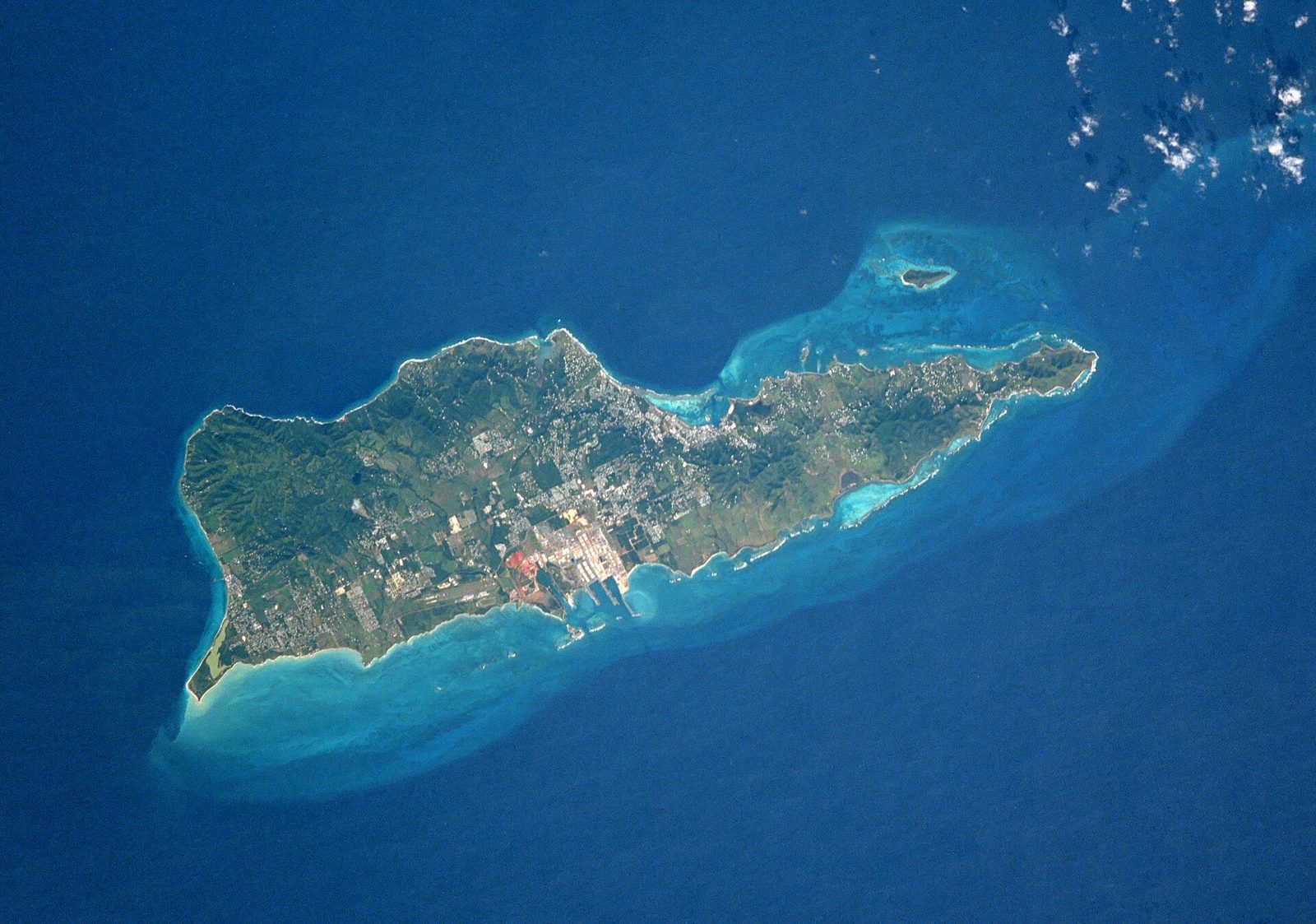
St. Croix seen from above in NASA and NOAA imagery. The island lies some 30 to 40 miles south of St. Thomas and St. John.Photo: NASA (Public domain)
Most weeks pass without a storm
Most summer and fall weeks on St. Croix are ordinary island weeks: warm sea, a steady breeze, short showers that pass quickly, and long sunny days on the East End. In most years, no week of the season brings a hurricane to the island at all. In a year that does, it is usually one week, and the forecasts show it coming several days ahead. The rest of the season's twenty-six weeks are for the beach, the reef and dinner on the veranda.
The long-run record supports that picture. St. Croix sits at about 17.7 degrees north in the northeastern Caribbean, and by the most-quoted tally for the island, which goes back to 1871, a hurricane passes within 60 miles about once every seven years on average. Put the other way round, a typical year's summer and fall go by with none coming near at all. And "within 60 miles" is a generous measure that takes in storms passing well out to sea.
Geography helps too. St. Croix lies some 30 to 40 miles south of St. Thomas and St. John, across open water, and the islands can see quite different weather from the same system. When the news reports weather "in the Virgin Islands," it is worth checking which island is meant before changing any plans for the East End, and a quick call to the villa managers will tell you what a forecast means for your week.
The record keeps no fixed rhythm, so "once every seven years" is an average over a century and a half rather than a schedule. What stays constant is the notice forecasters give, covered in the forecasting section below. That notice, measured in days, is what lets guests book the season with confidence and adjust calmly in the rare week that calls for it.
June and July are two of the happiest months to be on the island. Locals treat early summer as summer: school is out, the sea is warming into the low 80s, and the East End's mornings are calm and bright. In the historical record these months sit at the low end of the season's curve. The first named storm of a season typically forms only in the second half of June, usually far from the islands, and the first hurricane, on average, waits until August.
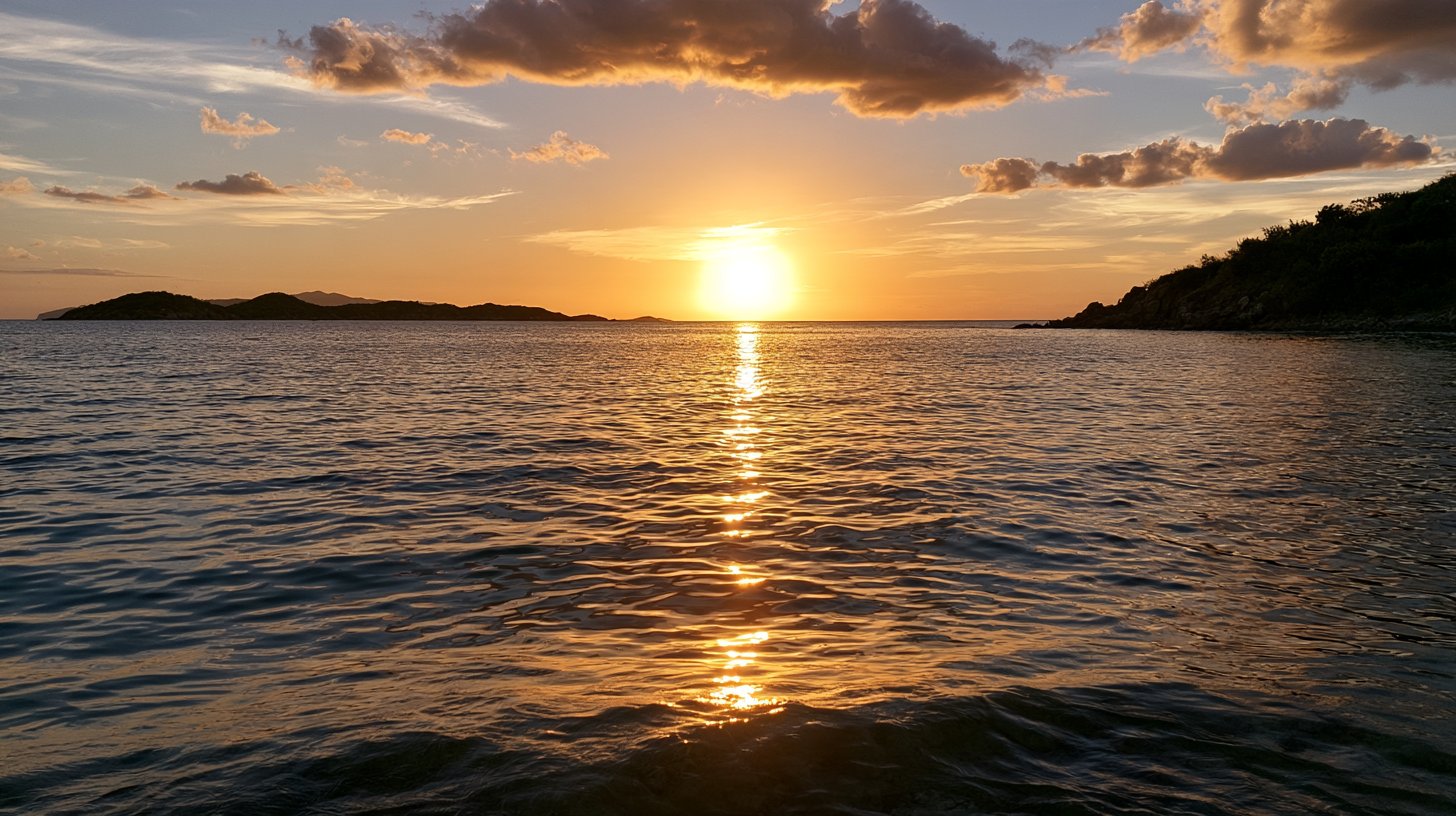
Part of the reason is the air itself. From mid-June into August, plumes of dry air drift west across the Atlantic from the Sahara. NOAA calls it the Saharan Air Layer, and its satellite team describes this "dry and sometimes dust-laden layer of the troposphere" as one that "often stabilizes the environment around tropical systems." Put simply, it helps keep midsummer calm, and on the East End it often turns the evening sky gold and orange at sunset.
What early summer feels like from the villa: the trade wind is at its steadiest from June through August, averaging about 16 mph in July, so afternoons in the shade of the veranda are breezy and comfortable, and mornings are the still hours. First light is when the water inside the reef off the private beach is calmest, which makes it the time for children and new snorkelers. Sunrise comes early, around 5:41 in early June, so an East End day can start with a swim and still have a long afternoon by the pool. St. Croix keeps Atlantic Standard Time all year, so in summer its clocks match Eastern Daylight Time, and a family flying in from the East Coast lands with no time change at all.
The island's summer calendar is a happy one too. Mangoes are in season, on the trees and at the roadside, and the St. George Village Botanical Garden's Mango Melee lands in July. Families flying in for the school holidays will find the summer flights and a day-by-day plan in our family summer guide, and the St. Croix with kids guide covers beaches and easy outings for every age. Summer is a popular time at the villa, June especially, and summer rates sit below winter's.
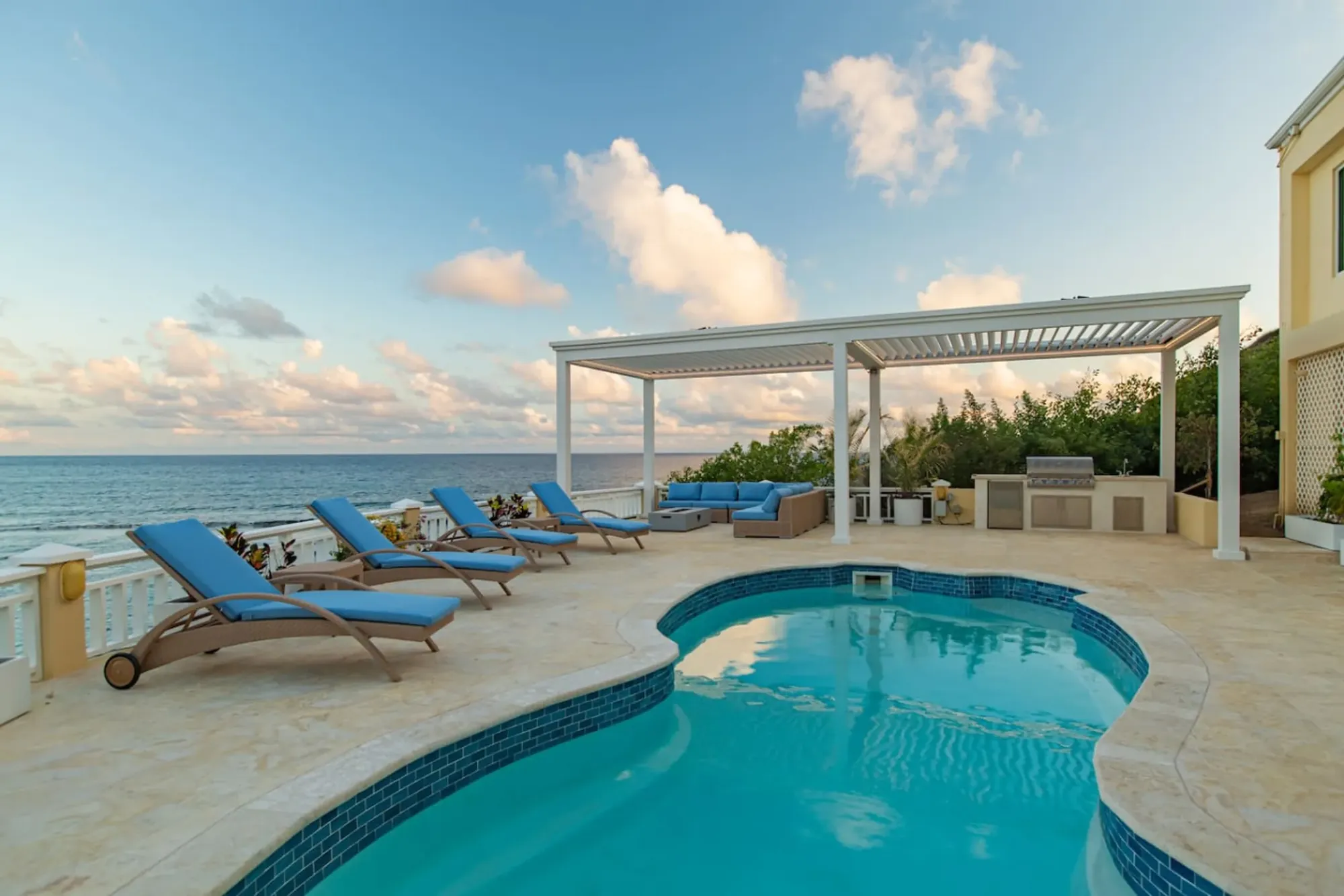
The pool deck sits above the villa's own beach and the reef guests snorkel from the steps. In every month, mornings are the still hours.Photo: The Cerulean
Late summer and early fall at the villa
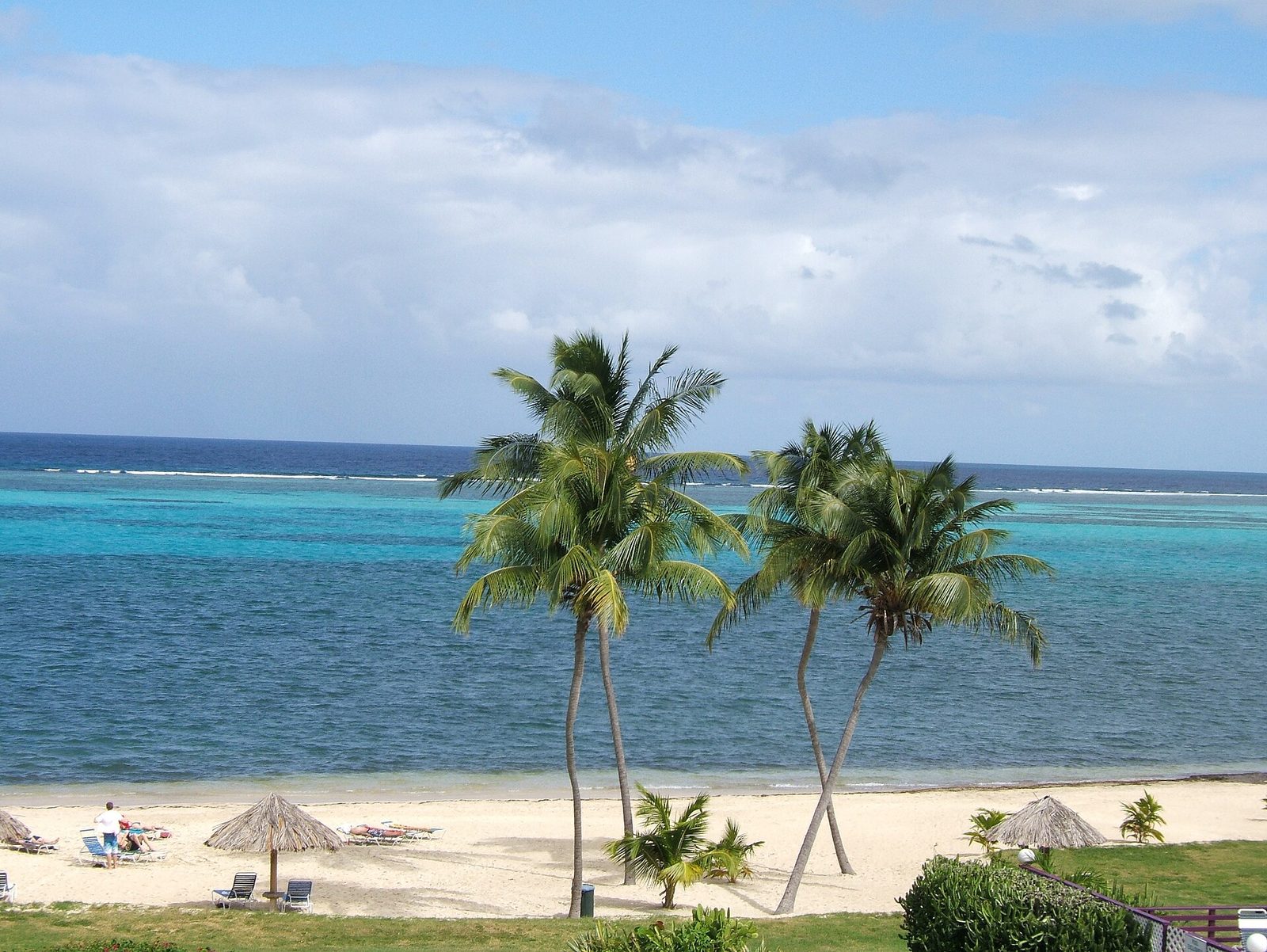
Late summer and early fall bring the warmest sea of the year, about 85 degrees at the surface in September and October, beaches with room to spare, and an easy pace in town. A typical day is hot, bright and humid, with a softer trade wind than in midsummer. A shower may roll in during the afternoon, rain hard for twenty minutes and move on, leaving the hills greener and the air fresher.
Mornings are the hours for the reef and the drive out to Point Udall; afternoons are for the pool deck, a nap in the shade, or an hour indoors with a book, and since every room in the house is air-conditioned, that hour indoors is a cool one. The rainy-day guide has ideas for a showery afternoon, and the Buck Island guide covers the day trip to the reef offshore, which runs whenever the sea allows.
These are also the weeks the National Hurricane Center's records mark as the season's busiest, from late August to mid-October, with the statistical peak on September 10. For guests, that simply means booking with the habits in this guide: travel insurance bought when you book, a flight you can change, and a five-minute look at the outlook each morning from a week before you fly.
October is the calmest month for wind, with the trade wind averaging about 12 mph, and flat water often comes with it. Snorkeling off the villa's beach at first light in October, with the reef clear and the surface still, is a strong argument for the season by itself. The same light winds often bring the year's easiest sea to the north shore, where divers go over the wall; the diving guide covers it. The concierge can suggest the tables and boats that suit a given week.
Here is the season month by month, built from the NHC's climatology and the island's record. The last column is our suggestion as hosts, and "the record" describes the shape of the historical curve rather than a forecast for any particular week.
Month
What the record shows
What guests enjoy
Our suggestion
June
Season opens June 1. The first named storm of a year usually forms in mid to late June, most often far from the islands.
Warm sea, a steady breeze, early sunrises and summer school-holiday trips.
A lovely family month. Insure the trip as a habit.
July
Low on the curve. The Saharan Air Layer often holds tropical systems back.
Mango season, the Mango Melee, calm mornings and gold sunsets.
Book with confidence and enjoy summer rates.
August
The first hurricane of an average season forms in early to mid-August, usually far to the east.
Warm days, warmer water and quieter beaches as summer trips wind down.
Book with insurance bought at booking and a flight you can change.
September
The statistical peak falls on September 10.
The warmest sea of the year, the quietest beaches and an easy pace in town.
Insure when you book, keep flights flexible, and enjoy the quiet.
October
Activity eases through the month.
The calmest wind of the year, flat water for snorkeling and green hills.
Late October is a relaxed, easy week to be here.
November
The season eases quickly, and by Thanksgiving it is nearly over.
Warm sea, the trade wind settling in, and Thanksgiving on the East End.
A popular month at the villa. Thanksgiving week is a favorite.
The island's summer and fall calendar
Summer and fall keep a full calendar on St. Croix, and much of it belongs to the island itself. July opens with the two holidays that matter most in Frederiksted. July 3 is Emancipation Day, which begins before dawn with the Fort-to-Fort Walk to Freedom, about 15 miles from Fort Christiansvaern in Christiansted to Fort Frederik, followed by ceremonies and cultural programs around the fort; our Emancipation guide tells the story behind the day. On the Fourth of July, Frederiksted's waterfront fills from mid-afternoon with music and street vendors, and fireworks go up from near the pier at about 8 pm.
The following weekend is for fruit. The Mango Melee and Tropical Fruit Festival at the St. George Village Botanical Garden is the garden's largest fundraiser, with more than a hundred food and craft vendors, a mango cooking contest, tastings, mango-eating contests for adults and children, and moko jumbies, the island's costumed stilt dancers. Arrive early and bring water and a hat. Late summer then turns quiet and starry. The Perseid meteor shower peaks in mid-August, and the dark skies over the East End make the veranda a fine place to watch, with the sea below and the house lights off.
The East End has a late-summer story of its own. The Nature Conservancy's Jack and Isaac Bay Preserve, about five minutes from the villa, holds the largest nesting populations of green and hawksbill turtles on St. Croix, and its nesting season runs from July to December. Since the preserve's protection work began, green nesting females there have grown from about eight to nearly 300. Greens and hawksbills feed on the East End reefs all year, so a calm morning snorkel off the villa's beach may bring one into view, and in nesting season a beach walk after dark is best taken without a light. The sea turtles guide has the details.
Fall is the island's own season. Virgin Islands-Puerto Rico Friendship Day, a legal holiday on the second Monday of October, fills the agricultural fairgrounds with Latin and local bands, Puerto Rican and Crucian food stalls and fair rides. The St. Croix Yacht Club, on Teague Bay a few minutes from the villa, holds small-boat regattas in the fall, and the racing can be watched from the shore. November brings Liberty Day on the 1st, the Coral Reef Swim from Buck Island to the beach at The Buccaneer on the second Sunday, and two evenings in Christiansted: the season's first Art Thursday gallery walk and, the day after Thanksgiving, the Holiday Jump Up, a free street party with moko jumbies and steel pan. Our St. Croix events calendar has the dates for the year ahead.
Jul 3Emancipation Day, with the Fort-to-Fort Walk to Freedom before dawn
Jul 4Fireworks off the Frederiksted pier
Mid-JulyThe Mango Melee at the St. George Village Botanical Garden
Jul to DecGreen and hawksbill nesting season at Jack and Isaac Bay, five minutes from the villa
Mid-AugustThe Perseid meteor shower peaks over the East End
Sep and OctThe warmest sea of the year, about 85°F, and October's light wind for snorkeling
Second Monday of OctVirgin Islands-Puerto Rico Friendship Day at the fairgrounds
NovemberLiberty Day, the Coral Reef Swim, Art Thursday and the Holiday Jump Up
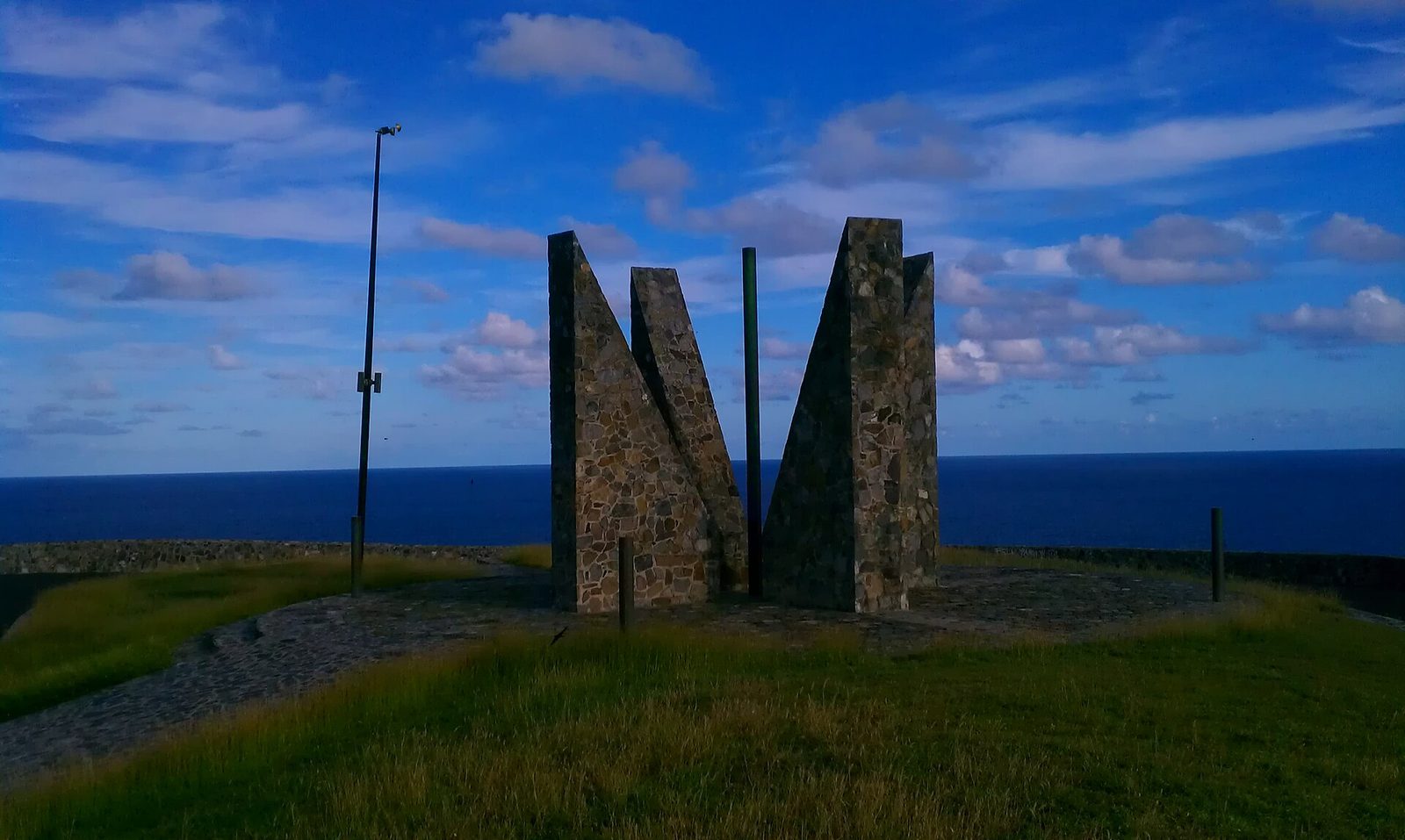
Point Udall, the easternmost point of the United States, a few minutes' drive from the villa and the East End's classic sunrise spot.Photo: Aaron Cortina (CC BY 3.0)
The Cerulean
Plan it from the villa.
Five bedrooms, a private swimmable beach, and all of this within a day trip.
The most reassuring fact about modern hurricanes is that they do not arrive unannounced. Forecasting now gives the islands the better part of a week to watch a system and plan around it. The National Hurricane Center follows every tropical wave that leaves the African coast, thousands of miles to the east, and its outlook flags any that might develop up to seven days ahead, usually while they are still far out over the Atlantic. In practice, the first hint of any change to your plans arrives with days to spare, while flights are easy to move and the villa managers have time to help.
The NHC's routine, as of 2026, works like this. Its tropical weather outlook flags areas of interest with a percentage chance that each will form into a storm over the next two days and the next seven. When a system organizes, advisories follow every six hours with a forecast track and the familiar cone, which shows where the center is likely to go rather than how wide the storm is. The forecast for the islands themselves comes from the NHC together with the National Weather Service office in San Juan, and all of it is free to read online.
Airlines move in step with the forecast. When a storm is expected near the islands, the carriers flying to St. Croix, including American from Miami year-round and the seasonal nonstops listed on Getting Here, typically post travel alerts a few days ahead that waive change fees for the affected dates. That waiver is what makes moving a trip simple: you can fly in a few days later, or head home a day or two early, without paying to change the ticket.
Put together, the forecast, the airline waiver and a call to the villa managers give guests days to decide, with good information, while flights are still easy to change. The rare week that needs a change shows itself well in advance, and every other week of the season goes ahead as planned.
7 daysNHC outlook range
6 hoursAdvisory interval
a few days aheadAirline travel alerts
buy it the day you bookTravel insurance
the villa managersYour first call
How to read the tropical outlook
In late summer you may hear the phrase "there's a system in the Atlantic." It is a routine line in an August or September weather report, and it usually describes something two thousand miles or more from the villa. In the busiest weeks, tropical waves leave the African coast every few days, and the NHC watches each one. Most never become anything. A minority get names, a smaller share become hurricanes, and only some of those ever head toward the northeastern Caribbean.
The outlook map makes it easy to tell background from news. A wave with a 20 percent chance of forming over seven days is routine. A system at 70 or 90 percent with a projected track through the Lesser Antilles is worth a daily look. Once a system has a name and a forecast cone, the only question that matters for your trip is whether that cone covers the Virgin Islands on your dates, and most of the time it does not.
The midsummer Saharan Air Layer works in a guest's favor in June and July, when the dry air crossing the Atlantic makes it harder for waves to organize. That is why a system in early July draws less attention from forecasters than the same wave in early September, when the air is moister and the sea is at its warmest.
The habit that serves guests best takes five minutes a day. From a week before you fly, look at the NHC outlook once each morning. A quiet outlook three days out almost always means a quiet week. If a named storm appears with the islands inside its cone, call the villa managers and your airline that day, and you will have several days to make an easy decision. Then go back to planning your beach days and your first dinner on the veranda.
How to book a summer or fall stay with confidence
A summer or fall week at the villa takes the same planning as any trip, plus three small habits that cost little and cover every date from June to November. Choose flights you can change, buy travel insurance on the day you book, and ask the villa managers how they handle a forecast storm. With those in place, changing plans for a forecast takes a phone call or two, and the rest of the time you simply look forward to the trip.
Flights first. Choose a fare you can change, and read its rules before you pay; the most restrictive fares are the ones to skip for a late-summer week. When a storm is forecast, airlines typically post travel alerts that waive change fees for the affected dates, and a changeable fare makes everything after that easy. American flies from Miami year-round, and Getting Here lists the seasonal nonstops and the connections through San Juan.
Then the dates. If yours are flexible, the record makes the choice easy. June, July and November sit at the quiet ends of the season with a warm sea, while late August through mid-October bring the warmest water and the quietest beaches. Families tied to school calendars will find June and July simple to plan, and couples and friends who can travel any time may like the quiet of September and October or the settled, warm weeks of November.
Group trips work the same way. The villa sleeps twelve across the main house and the separate guest cottage, so a summer or fall trip can be a shared one: two families, three generations, a milestone birthday. For a group, one conversation with the villa managers about how they would handle a forecast, and travel insurance for each household, keeps everyone's plans simple. The groups and celebrations guide covers the rest.
Then let it go. Once the trip is booked and insured, there is nothing more to do until about a week before you fly, when the five-minute outlook habit starts. In most years, that habit means a week of quiet maps and then packing.
The guest cottage, steps from the main house, has its own kitchen, living room and bedroom, which makes a shared group week easy.Photo: The Cerulean
How travel insurance works for a summer or fall trip
A summer or fall trip is easiest to enjoy when the paperwork is settled on the day you book, and travel insurance is the main piece. For any trip between June and November, buy it at booking. The reason is one word: "named." Standard trip-cancellation policies cover hurricane disruption only for storms that did not yet exist when you bought the policy. Once the National Hurricane Center gives a system a name, insurers treat it as a known event and exclude it from new policies. Buying at booking means any storm that forms later falls inside the policy's terms.
What a standard policy covers varies by insurer, so read the certificate rather than the marketing page, and keep it with your booking confirmation. Trip interruption, if you need to head home early, and travel delay, if a connection runs late, usually come in the same policy, and they cover the everyday trip hiccups too, like a missed connection on the way down. A standard policy is built around events rather than worries, so if you want the freedom to change plans simply because a forecast concerns you, that is a separate upgrade.
That upgrade is Cancel For Any Reason cover, usually shortened to CFAR. The general terms, as the major comparison sites describe them as of 2026: you add it within 14 to 21 days of your first trip deposit, it typically reimburses 50 to 75 percent of prepaid, nonrefundable costs, and you must cancel at least 48 hours before departure. It costs more than a standard policy, and for a group booking a September week it gives every household the option to change its mind.
Insurance works best alongside the villa's own terms, covered in the next section. The villa's cancellation windows cover the months between booking and the busiest weeks, and insurance covers the final weeks before you travel. Together they give every date in the season a clear plan.
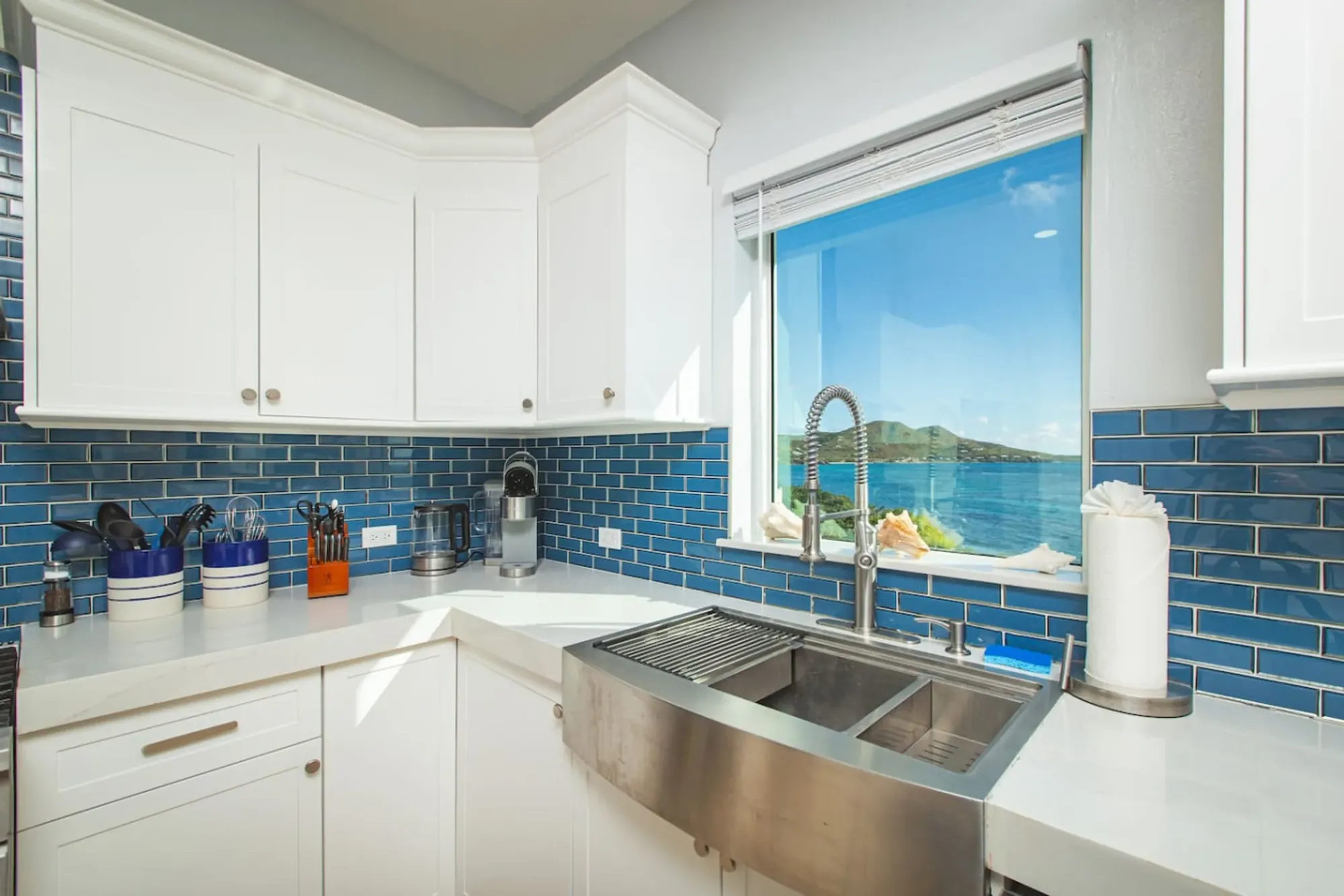
The chef's kitchen and its sea-view window. Long, easy dinners at home are one of the pleasures of a summer or fall week.Photo: The Cerulean
The Cerulean's cancellation terms
Booking The Cerulean for a summer or fall week comes with clear cancellation windows. The listing terms, as of 2026, give a full refund for cancellations made more than 60 days before arrival and a 50 percent refund for cancellations made more than 30 days before arrival. Inside 30 days, the listing's own terms apply, and they are shown when you book. Check-in is 4 pm and checkout is 10 am, and bookings run through Sterling Point Real Estate, the company that manages the property.
Those two dates are the useful ones for planning. Book a September week in March, for example, and the full-refund window stays open until roughly early July, long before the season's busiest weeks, with the half-refund window open until roughly early August. Put both dates in your calendar on the day you book. With the villa's terms and your insurance policy side by side, the whole stretch between booking and arrival is covered by one or the other.
For anything specific to the season, the simplest step is to ask. When you book a stay between June and November, ask Sterling Point how they would handle a named storm affecting your dates: whether they can move your stay to other dates, how they keep in touch with guests while a forecast develops, and what they suggest if your flights change. Keep their reply with your booking confirmation and your insurance certificate, so everything you need sits in one place.
If you ever move your dates for a forecast, keep the airline's waiver notice, the managers' reply and any receipts together in one folder, and the paperwork stays simple.
The contact page reaches Sterling Point for questions before you book, and the booking itself runs through their system. Mention your dates in your first message and ask about the season up front, and you will have the plan settled before you pay.
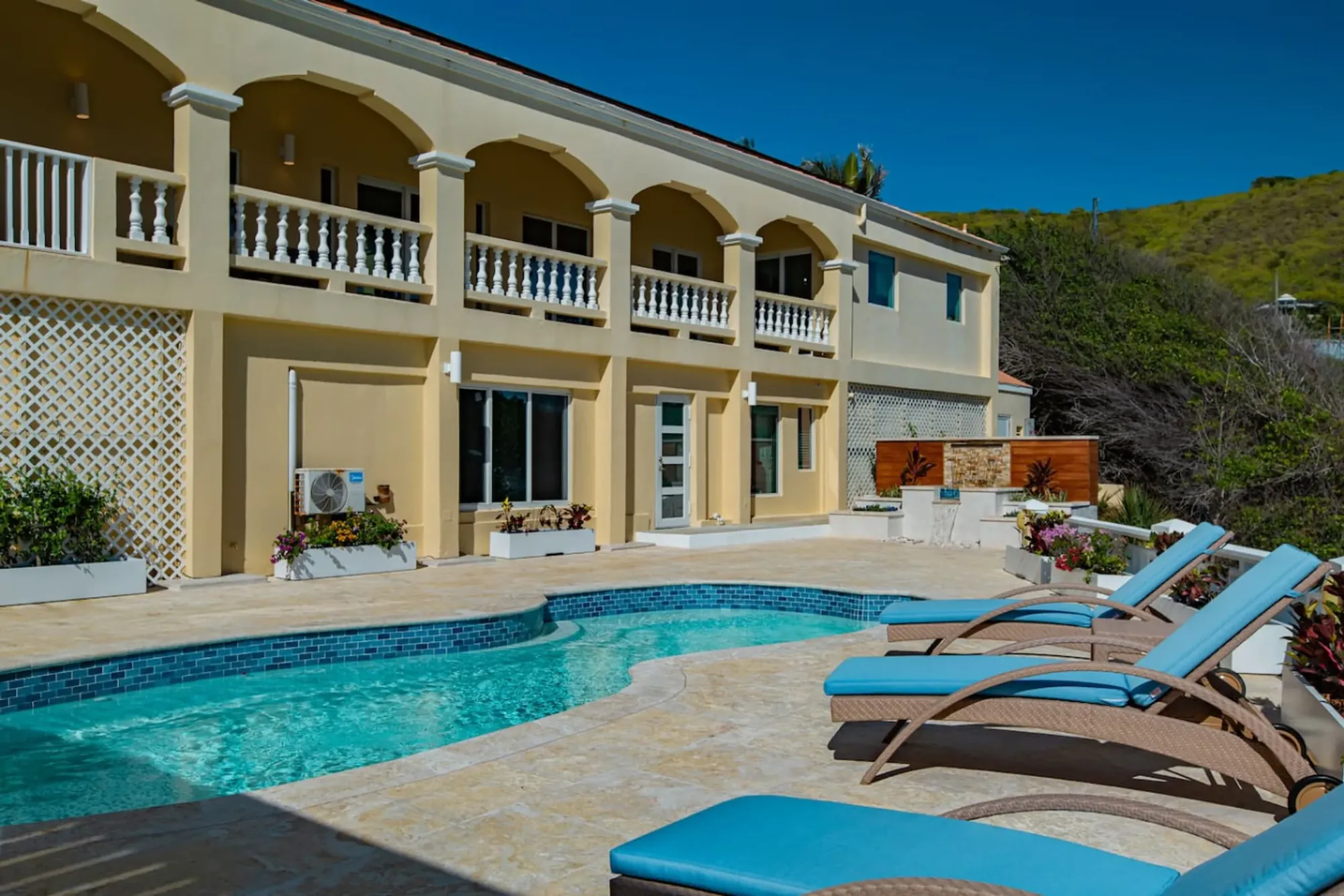
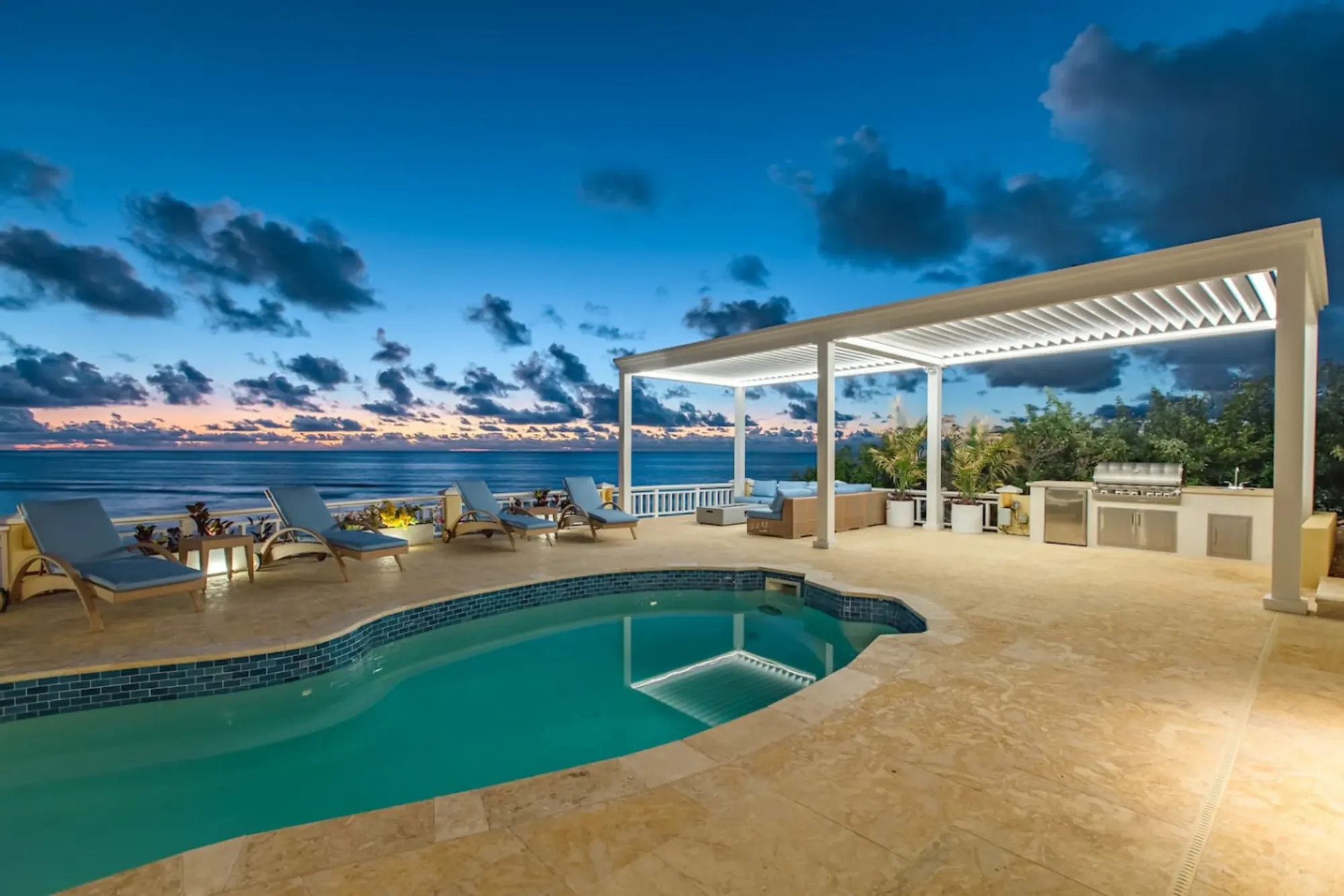
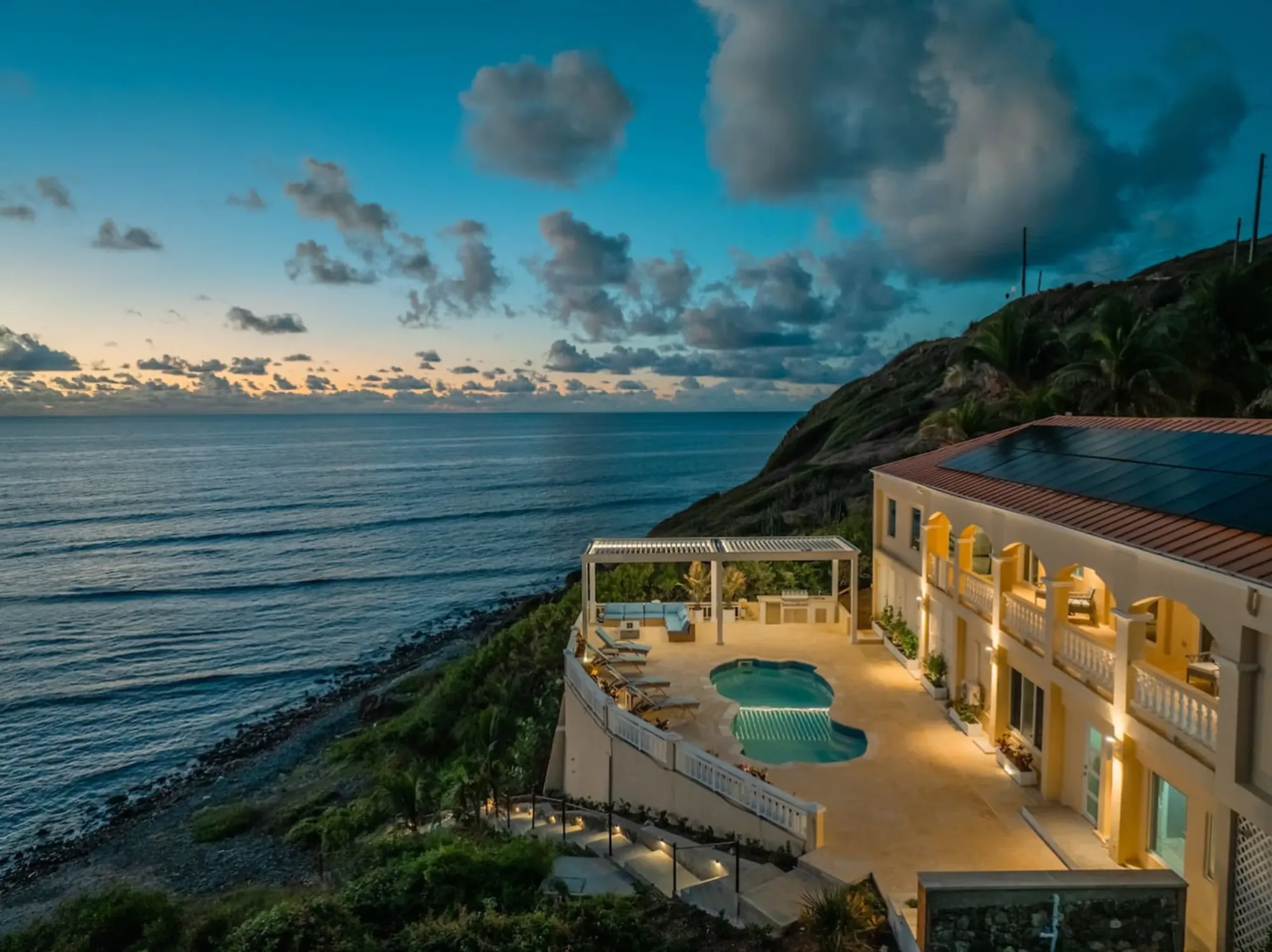
The Cerulean's main house and pool. Sterling Point Real Estate manages and books the property and can answer questions about any date in the season.Photo: The Cerulean
How the villa managers help
Every stay at The Cerulean starts with the villa managers. They meet guests for a guided drive to the villa and a full tour of the house, and they are the people to call with any question during the week, from a dinner booking to the forecast. Through the concierge they can arrange airport pickup, provisioning before you land, a private chef, housekeeping, and snorkel trips, day sails and island excursions.
A summer or fall week can be as hands-off as you like. The concierge can have the kitchen stocked before you land and topped up as you go, arrange daily or mid-stay housekeeping, sort a vehicle for the week, and book in-villa massage or yoga by appointment. For a group with a milestone to mark, a bartender and an evening setup can be arranged too, which leaves the house free for what the week is for: the reef in the morning, the pool in the afternoon and a long table on the veranda at night.
In summer and fall, that local help is worth having. The managers are the people to ask which boats are running that week, where to book a table on a Tuesday, and which beach suits the day's wind. If a forecast ever does call for a storm near the islands, they are your first call. They know the house and the island, and a call while the system is still days away gives you both plenty of time to talk through your options.
Guests notice the difference. One July 2026 review of the villa put it in a sentence that sums up what a well-run house feels like in any season.
“Rich and team were very responsive and helpful. We had a great time and would love to stay again.”
Ashleigh, guest review, July 2026
The practical side is easy. Save the Sterling Point number from your booking confirmation in your phone, share your flight details with them before you travel, and let them know the best way to reach you during the stay. If plans ever need to change, those three small things make the conversation quick.
How to plan around a forecast
If a named storm is forecast to come near St. Croix during your dates, you will usually know several days ahead, and the steps are simple. Call the villa managers that day and ask what they recommend. Check your airline's travel alerts page for a change-fee waiver, and if you decide to arrive later or head home earlier, move your flight while seats are easy to find. Many of the systems that appear on the outlook pass well away from St. Croix, so that first call is often simply a check-in.
For the same updates the island gets, join the territory's alert service, which VITEMA runs through Everbridge; the sign-up on its site, vitema.vi.gov, offers to "get alerts sent to your smartphone (or email)." Between those alerts, the NHC outlook and your airline's travel page, you will see any change coming well ahead, and the villa managers are a phone call away to help you weigh it.
Our suggestion as hosts is to decide early and keep it simple. If a forecast does affect your dates, talk it through with the villa managers a few days out, while the system is still only a forecast and flights are easy to move, and use the airline's waiver and your insurance where they apply. The managers can help you find new dates, and the calendar on the booking page shows which weeks are open, so a moved trip is still a trip to look forward to.
If a forecast affects your dates
Call the villa managers at Sterling Point the same day and ask what they recommend.
Check your airline's travel alerts page for a change-fee waiver, and move your flight early if you decide to change dates.
Sign up for the territory's phone and email alerts at vitema.vi.gov.
Keep your insurance certificate and the managers' reply in one place.
Look at the NHC outlook each morning until it is quiet again.
Pick new dates with the managers from the open weeks on the booking calendar.
Why summer and fall are good times to visit
Start with value. Across the island, late summer and early fall are usually the lowest-priced weeks of the year, and summer rates generally sit below winter's. The villa's rates vary by season and by exact dates, so the calendar on the booking page is the place to check. For a group sharing the house, a summer or fall week can be an easy way to bring everyone together.
Then the beaches. Winter fills the island's best-known beaches; September and October leave them wide open. Jack and Isaac Bay, the two beaches inside The Nature Conservancy's 300-acre preserve at the island's eastern tip, are about a five-minute drive and a walk from the villa, and on a fall morning you may have both to yourself. The East End beaches guide covers the rest of the shore, and the villa's own beach is private in every month.
The sea is at its best late in the year. September and October bring the warmest water, about 85 degrees at the surface, and October brings the calmest wind, which often means flat water and easy snorkeling straight off the villa's beach. The sea turtles guide and our snorkeling journal post are good company for a week built around the reef.
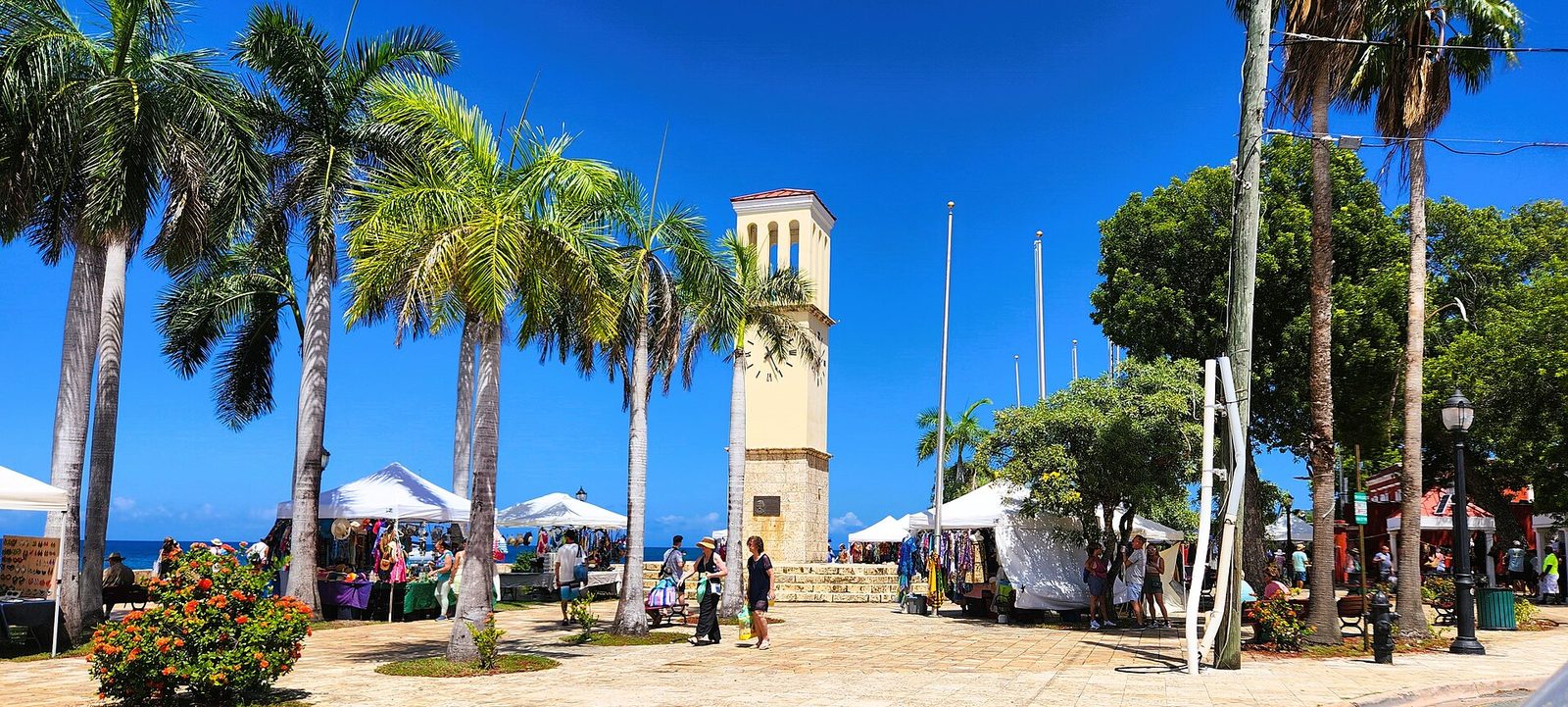
Town is easy in these months too. Christiansted, about 15 to 20 minutes from the villa, is the island's historic Danish harbor town, with the yellow walls of Fort Christiansvaern, a boardwalk on the water, and most of St. Croix's restaurants and shops. A late-summer morning on the boardwalk, an hour at the fort and lunch by the harbor make a relaxed day off the beach, and the Christiansted town guide covers the town in detail.
And the small pleasures: mango season in June and July, when the fruit is on the trees and at the roadside; the gold and orange sunsets of midsummer; the green of the hills in October; and the first hour of a September morning on the veranda, the coolest of the day, with coffee and the sun coming up over the sea. In November the trade wind settles in, the sea stays warm, and Thanksgiving on the East End is a favorite week at the villa. Our Thanksgiving guide has the details.
Jack Bay, one of the two beaches inside The Nature Conservancy's preserve at the island's eastern tip, about a five-minute drive and a walk from the villa.Photo: GRI SHA (Flickr) (CC BY-SA 2.0)
Choosing your dates
Every month on St. Croix has its own pleasures, and picking yours comes down to what your group enjoys most. Some guests come for the festivals and the lively winter calendar, some for a summer week of swimming with the children, and some for the warm, quiet sea of the fall. The season simply adds a few easy habits to the dates between June and November, and the paragraphs below match each part of the year to the kind of trip it suits best.
For the classic Caribbean winter, December through April brings festivals in town and the trade wind at its liveliest. For warm sea, summer rates and school-holiday travel, May, June and July are easy, relaxed months; insure the trip as a habit and enjoy it. For the warmest water and the quietest beaches, late August through mid-October is the time to come, with insurance bought at booking, a changeable flight and the five-minute outlook habit. For a settled, warm week before the holidays, late October and November are hard to beat, and Thanksgiving week on the East End is popular for good reason. From October 31, 2026, United's Saturday nonstop from Newark makes a November week a one-flight trip from the New York area.
For a September or early-October trip, three quick questions help. Can your group move the trip a few days if a forecast calls for it? Is everyone insured from the day of booking? Have you asked the villa managers how they handle a named storm? Three yeses, and the season's warmest, quietest weeks are yours to enjoy, usually at the island's lowest prices of the year.
A few habits round it out. Treat June and July as the summer months they are, with school out, mangoes ripe and the sea warming by the week. Diary the 60-day and 30-day dates. Check the outlook once a day from a week out. And arrive in September ready for an island that is open and relaxed: the beaches, the reef, the trails and Christiansted's waterfront are all there, with more room for you.
Planning a summer or fall week
Pick your dates with the curve in mind: June and July low, late August to mid-October busiest, November easing.
Read the villa's cancellation terms and diary the 60-day and 30-day marks.
Buy travel insurance the day you book, and price a Cancel For Any Reason upgrade if you want the option to cancel on a forecast.
Ask Sterling Point how a named storm during your dates would be handled, and keep the reply.
From a week out, check the NHC outlook once a day.
If a storm is forecast, decide early and move flights on the airline's waiver.
The Cerulean
Twelve of you, one private beach.
The Cerulean sleeps twelve on St. Croix's quiet East End — check your dates.
The Atlantic hurricane season runs from June 1 to November 30 every year. The National Hurricane Center puts the statistical peak on September 10, with most activity between mid-August and mid-October. June and July sit at the low end of the curve, and by Thanksgiving the season is nearly over. Guests visit through all six months, and most weeks of the season pass without a storm coming near the island.
How often does a hurricane affect St. Croix?
Rarely. In most years, no week of the season brings a hurricane to the island at all. The most-quoted long-run tally, which goes back to 1871, averages about one hurricane passing within 60 miles of St. Croix every seven years, so a typical year's summer and fall go by with none coming near. That is why guests book June-to-November stays with confidence and simply keep a few easy planning habits.
How much notice would I have if a storm were forecast?
Several days in most cases. The National Hurricane Center's outlook flags systems up to seven days before they could form, and once a storm organizes, advisories with a forecast track follow every six hours. Airlines typically post travel alerts a few days ahead that waive change fees for the affected dates. That is time to call the villa managers, check your airline's waiver and adjust your dates calmly.
Does travel insurance cover hurricanes?
Standard trip-cancellation policies generally cover hurricane disruption if you bought the policy before the storm was named, so buy it the day you book. Once a storm has a name, insurers treat it as a known event. If you want the option to cancel simply because a forecast worries you, a Cancel For Any Reason upgrade, usually added within 14 to 21 days of your first deposit, typically refunds 50 to 75 percent of prepaid costs if you cancel at least 48 hours before departure.
What is The Cerulean's cancellation policy?
As stated in the villa's listing terms as of 2026, cancellations more than 60 days before arrival receive a full refund, and cancellations more than 30 days before arrival receive a 50 percent refund. For a stay between June and November, ask Sterling Point Real Estate, who manage and book the villa, how they handle a named storm affecting your dates, and keep their reply with your booking confirmation and insurance certificate.
Is June or July a good time to visit St. Croix?
Yes. Both months sit inside the official season but at the low end of its curve in the historical record, and the dry Saharan Air Layer that crosses the Atlantic in midsummer tends to keep tropical systems in check. The sea is warm, mornings are calm, the trade wind keeps afternoons comfortable, mangoes are in season, and summer rates sit below winter's. June is a popular month at the villa for family trips.
Is September a good time to visit St. Croix?
For many guests, yes. September brings the warmest sea of the year, about 85 degrees at the surface, the quietest beaches and usually the island's lowest prices. As with any date in the season, buy travel insurance on the day you book, choose a flight you can change, and ask the villa managers how they handle a forecast storm. With those small steps done, a September week is easy to enjoy.
What should I do if a storm is forecast for my dates?
Call the villa managers at Sterling Point as soon as a storm appears in the forecast for your dates, and check your airline's travel alerts page, since airlines typically waive change fees for the affected dates. Deciding early, while flights are easy to move, keeps everything simple, and the managers can help you pick new dates. Many of the systems that appear on the outlook pass well away from St. Croix, so that first call is often simply a check-in.
Is November a good time to visit St. Croix?
Yes, and it is one of the villa's popular months. The season eases quickly after the middle of October, and by Thanksgiving the season is, statistically, nearly over. The sea stays warm, the trade wind settles in, the hills are green after the fall showers, and Thanksgiving week on the East End is a favorite for families and groups who want a warm week before the holidays.
A summer or fall stay at The Cerulean
The Cerulean sits on the East End, facing sunrise, with Christiansted about 15 to 20 minutes down the road. Sunrise from the veranda is the coolest part of a summer or fall day and the hour to swim, snorkel, or drive the few minutes to Point Udall. The house sleeps twelve across the main house and the guest cottage, which gives a group room to spread out on a showery afternoon and makes a shared summer or fall week easy on everyone's budget.
The kitchen comes into its own in these months. The chef's kitchen, the outdoor kitchen and grill, and a provisioning run make long dinners at home a highlight of the week, and the concierge can arrange a private chef for a night or the whole stay. One March 2026 guest called it the best-stocked kitchen they had ever had in a rented house, and in the quieter months that makes nights in a pleasure. Summer guests have said as much: Sara, from Kernersville, North Carolina, stayed in July 2026 and wrote that the villa met their needs and that they truly enjoyed their stay.
Pack for the season: a light rain shell, mineral sunscreen, a rash guard for the reef, and a small dry bag, all covered in the packing guide. Bring a book for an afternoon shower. If you are here in June or July, come for the mangoes and the gold sunsets; if you are here in September or October, come for the warmest, stillest water of the year and the quietest beaches.
The island's best-known weather story is a happy one for American history. On the night of August 31, 1772, a hurricane crossed St. Croix, and a teenage clerk in Christiansted named Alexander Hamilton described it in a letter to his father. The Royal Danish American Gazette printed the letter that October, and soon afterward Hamilton sailed north to study in America; our Hamilton guide follows him from the clerk's desk on the waterfront to the ship north. Today a summer or fall day on the East End is hot and bright, with the trade wind on the veranda and the reef in front of the house, and the calendar on the booking page shows which summer and fall weeks are open.
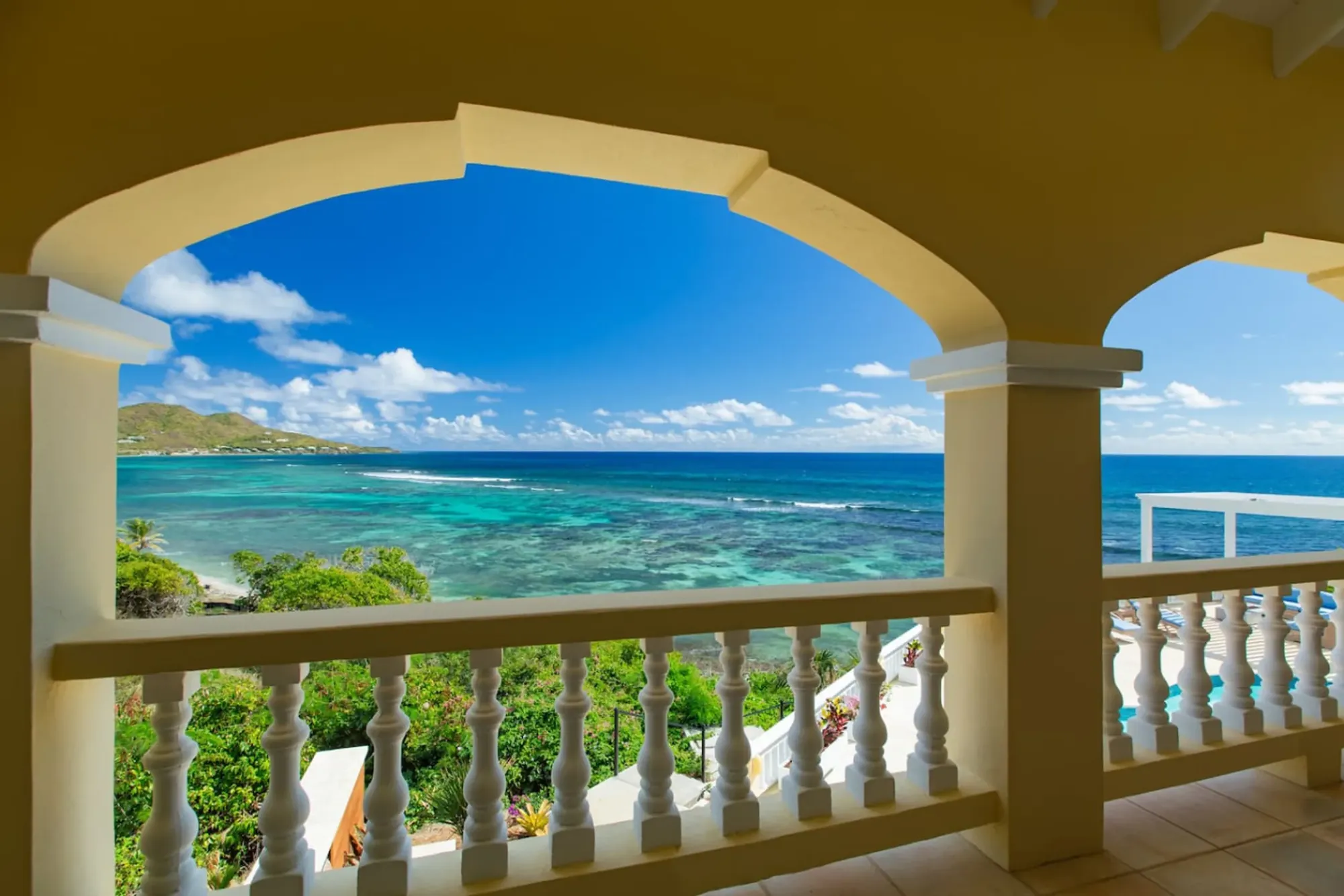
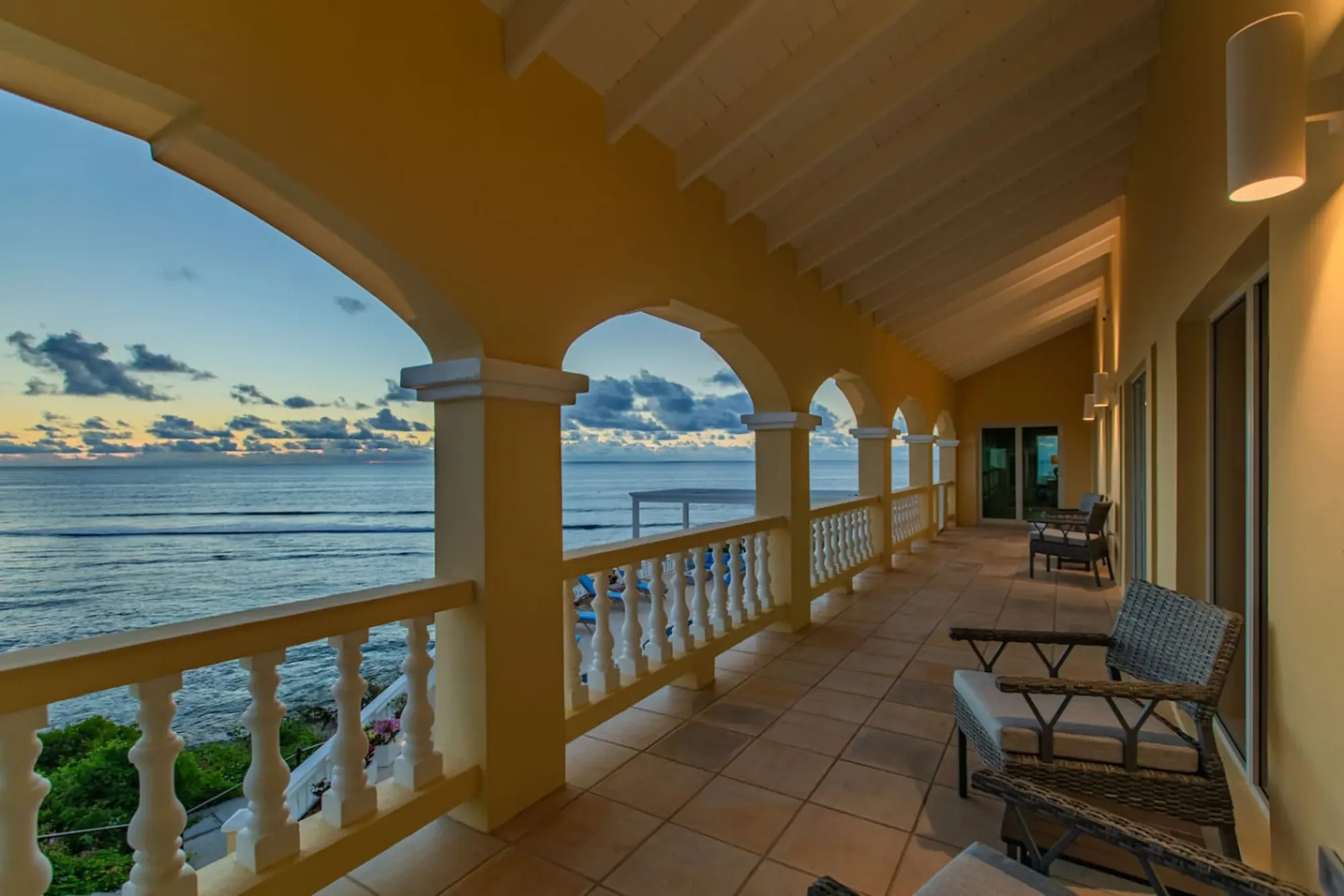
Sunrise from the veranda. In September the first hour of the day is the cool, still one, and the reason to be on the East End.Photo: The Cerulean
Sources
Facts in this guide were checked against these primary sources in 2026. Hours, prices and schedules change — confirm before you go.
We use essential cookies to run this site and, with your consent, Google Analytics to see which pages visitors use and the Meta Pixel to show The Cerulean’s ads on Facebook and Instagram to people who visited. See our Privacy Policy.