

Christiansted National Historic Site
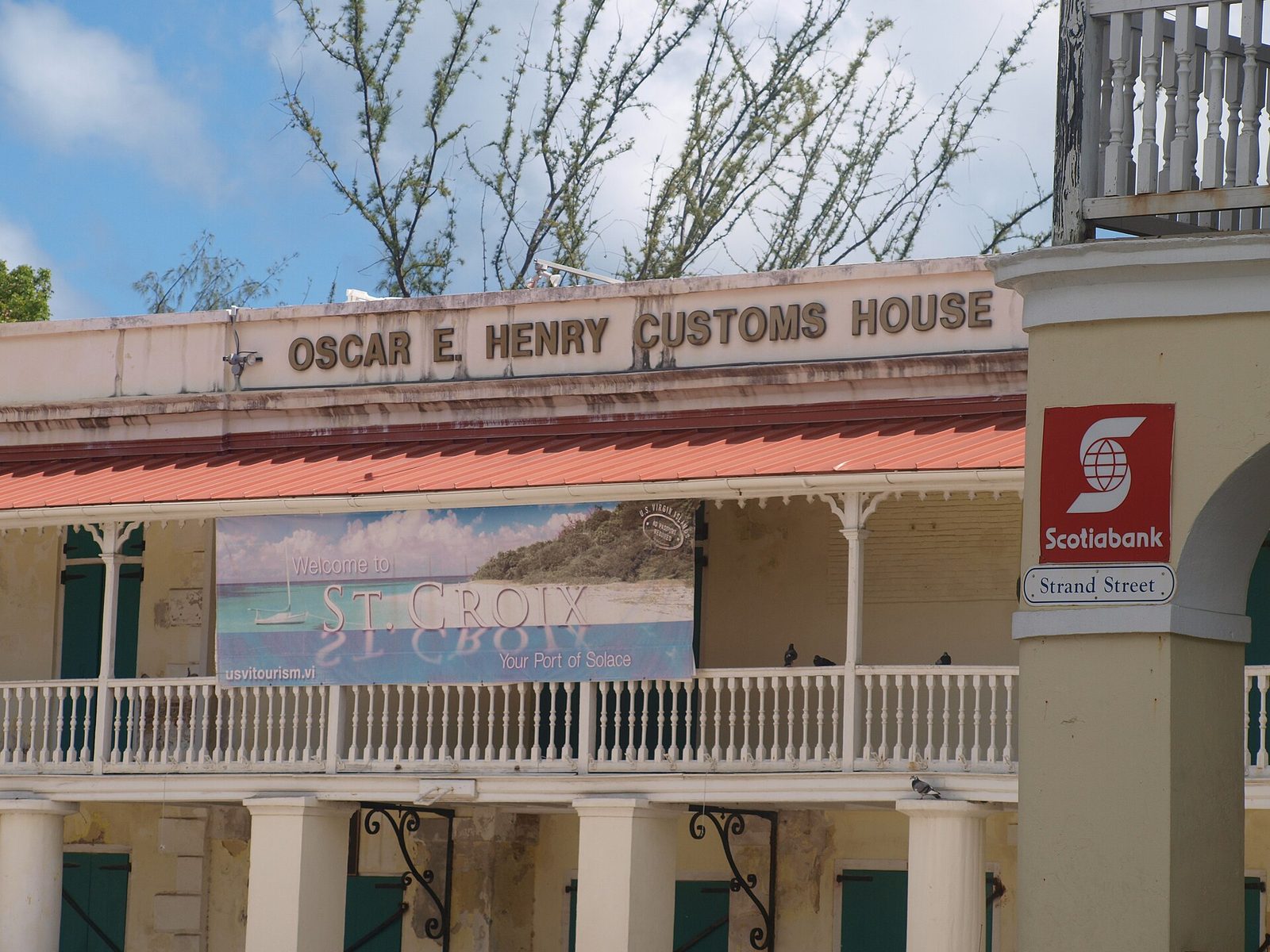
Christiansted waterfront
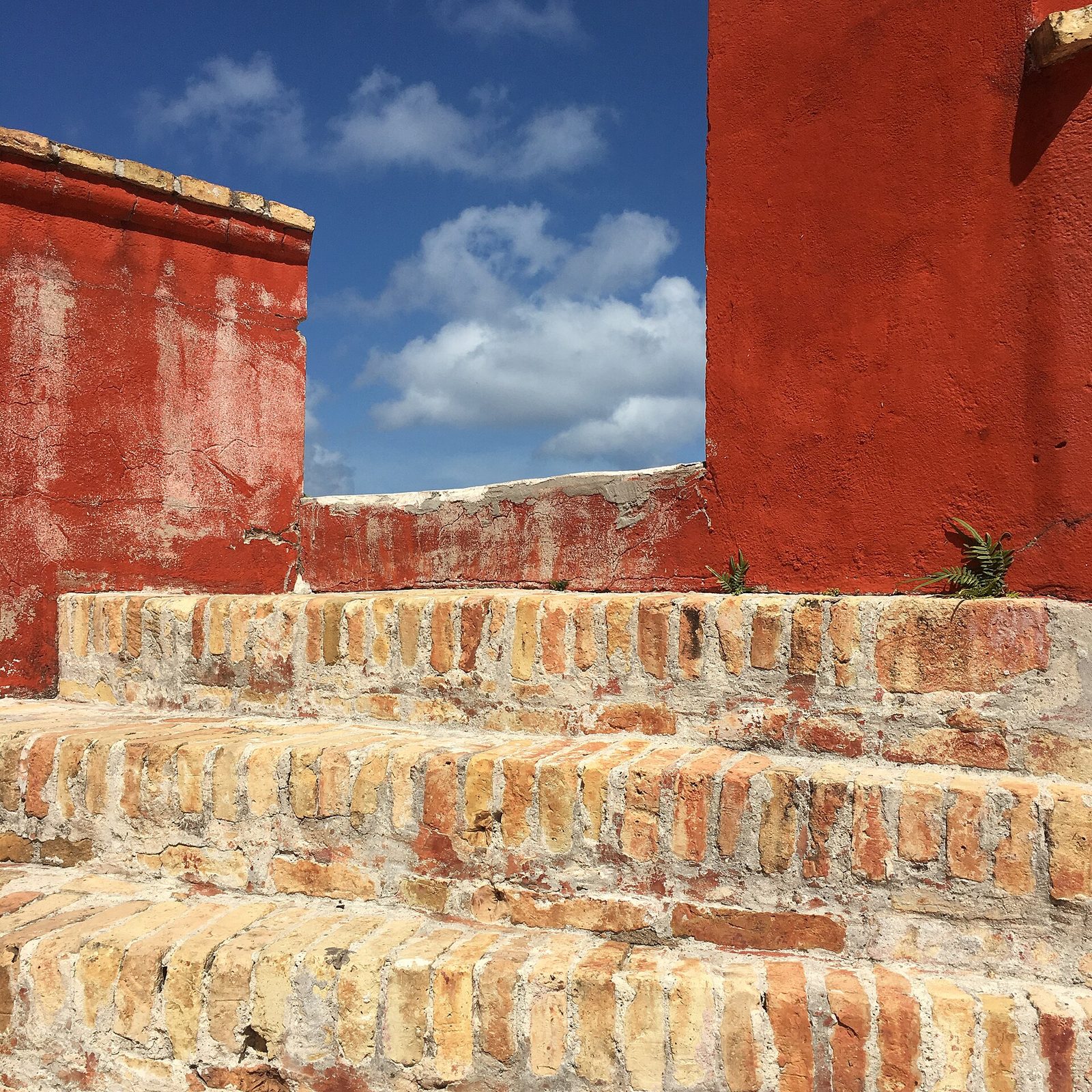
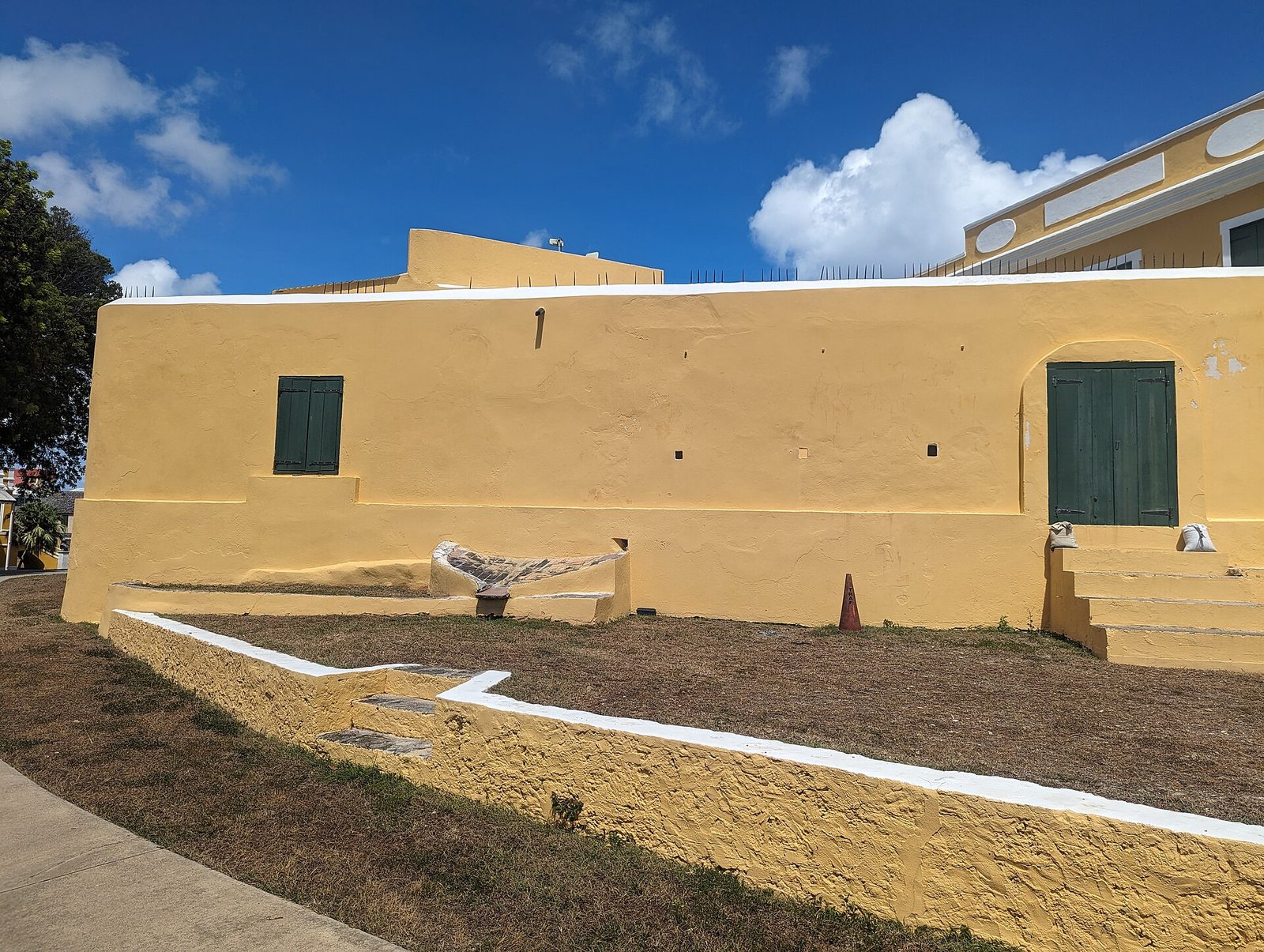
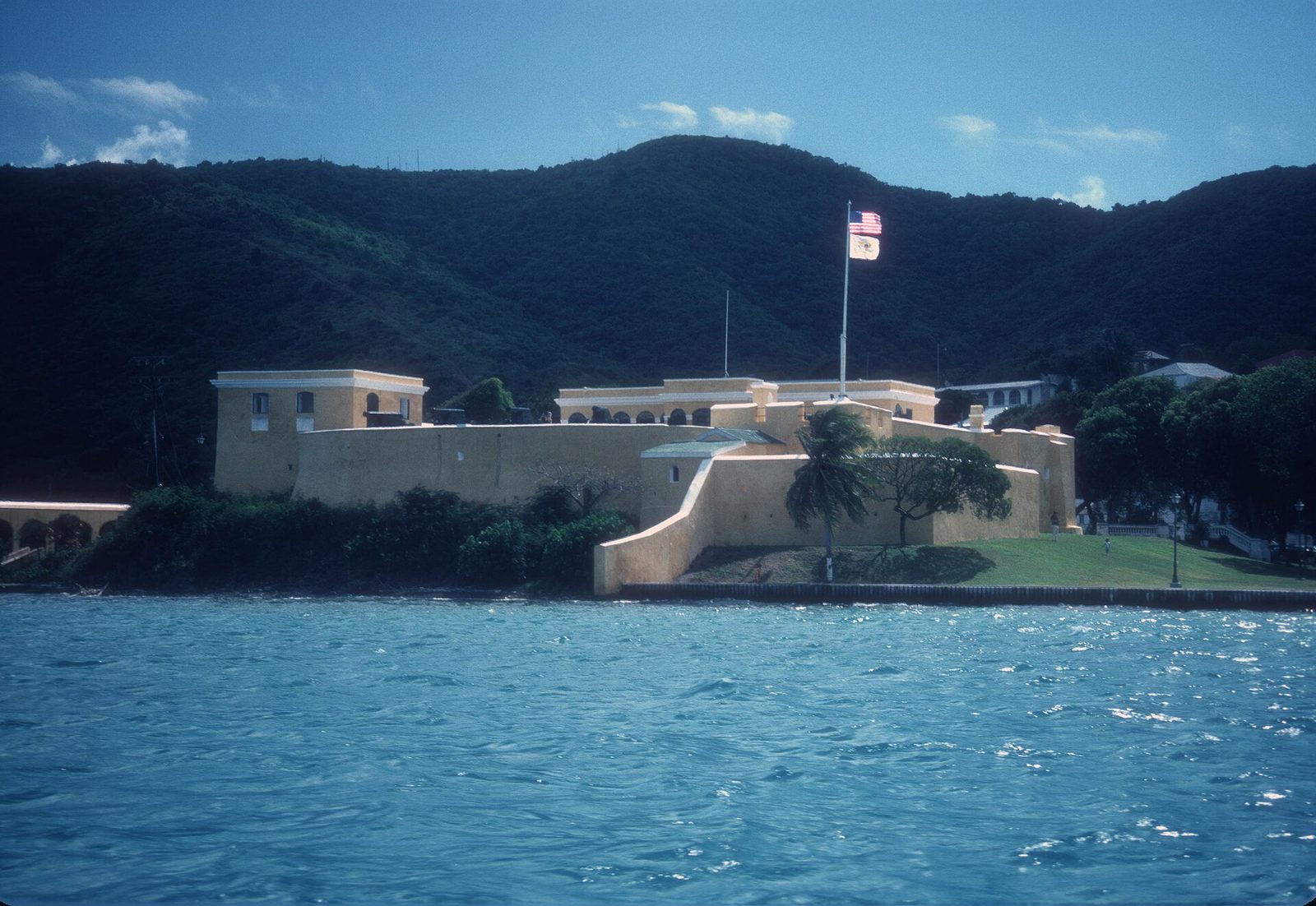
The NPS-run Danish colonial waterfront, anchored by the yellow Fort Christiansvaern (open daily 8:30–4:30). Start any town morning here.
St. Croix has flown seven flags, and the island wears all that history in plain sight: two Danish forts bracketing the island, a sugar-plantation museum that tells the whole story, the only site on U.S. soil where Columbus's crew landed, and the ramparts where 8,000 people marched in 1848 and won emancipation. Most of it is minutes from the villa's side of the island.
The NPS-run Danish colonial waterfront, anchored by the yellow Fort Christiansvaern (open daily 8:30–4:30). Start any town morning here.
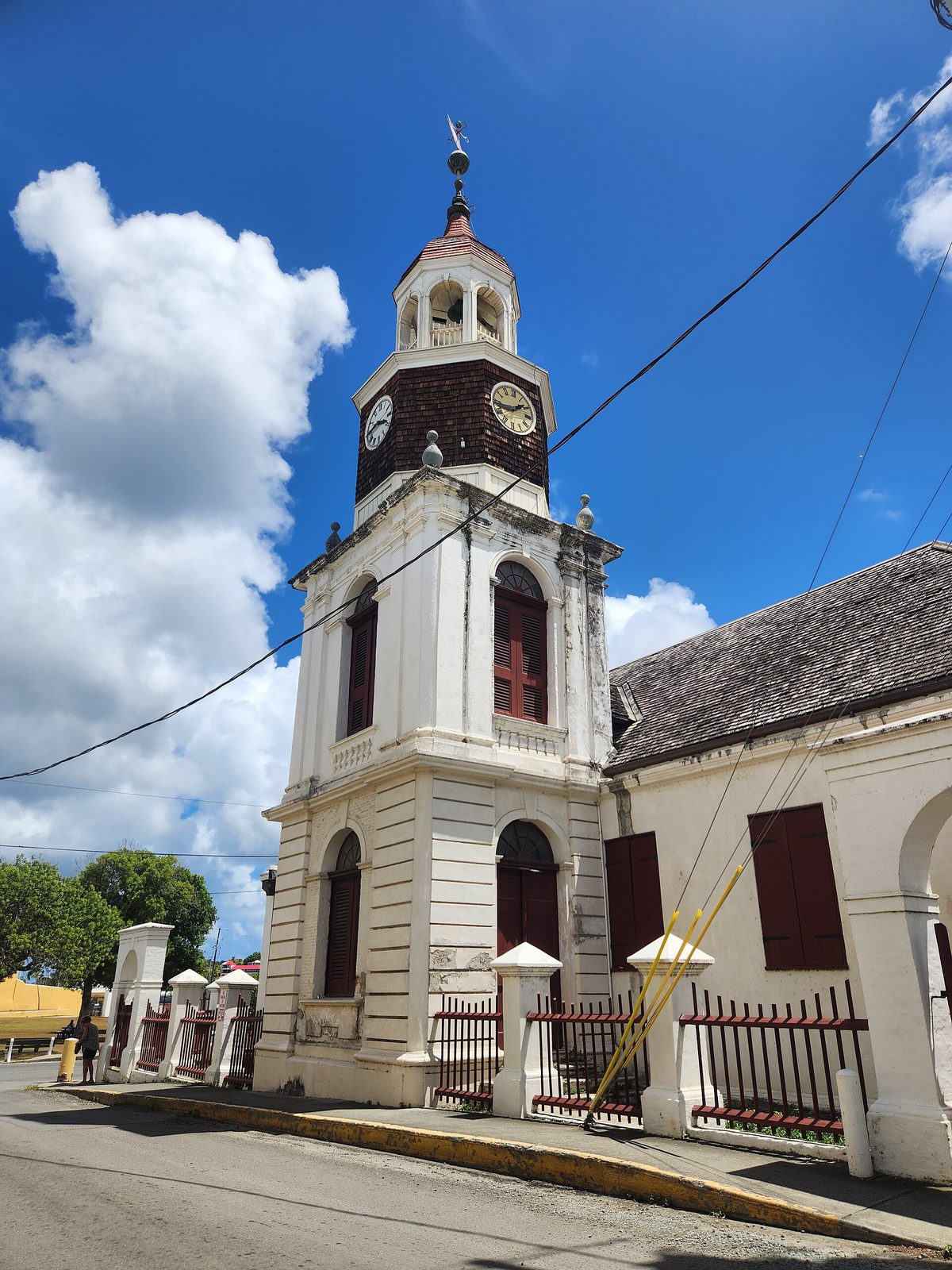
The 1752–60 fort where, on July 3, 1848, Governor-General von Scholten proclaimed emancipation after 8,000 enslaved people led by General Buddhoe marched on the town. Museum open weekdays and Saturday afternoons.
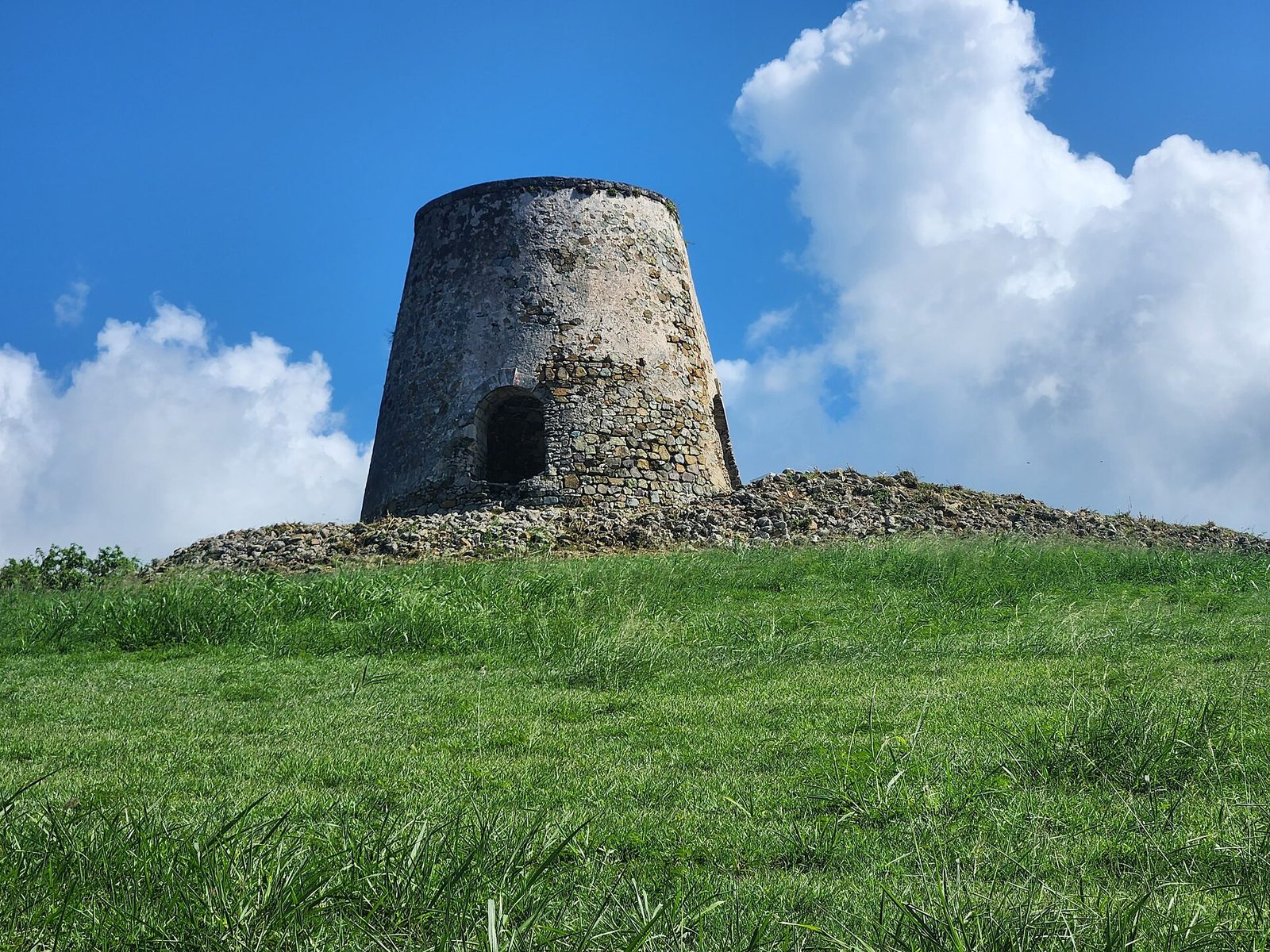
The Landmarks Society's 12-acre sugar-plantation museum — restored great house, windmill and factory complex, and the “My Granny House” exhibit.
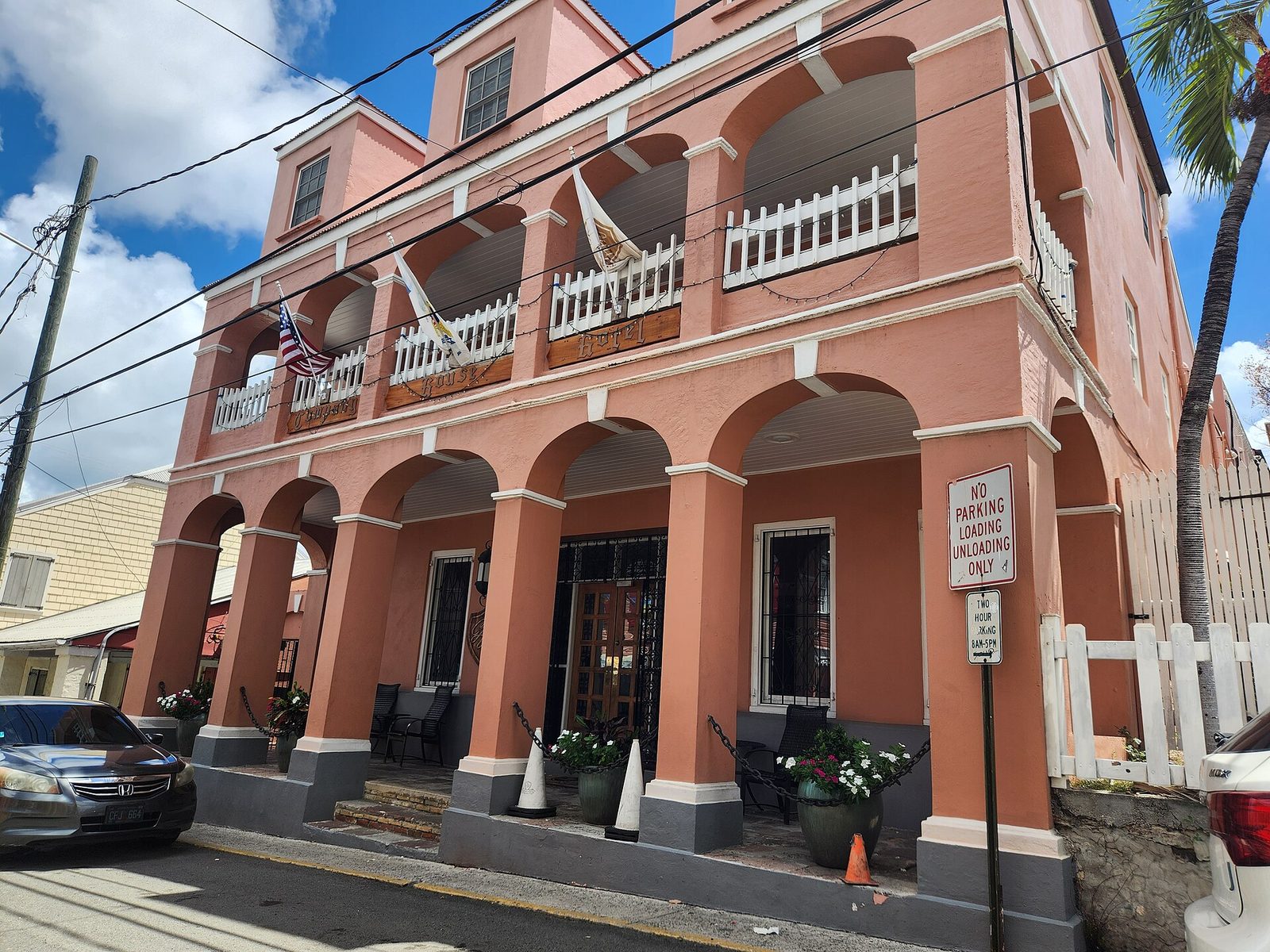
A 19th-century Danish pharmacy (est. 1820, in service 140+ years) — the only one in the Western Hemisphere still in its original building.
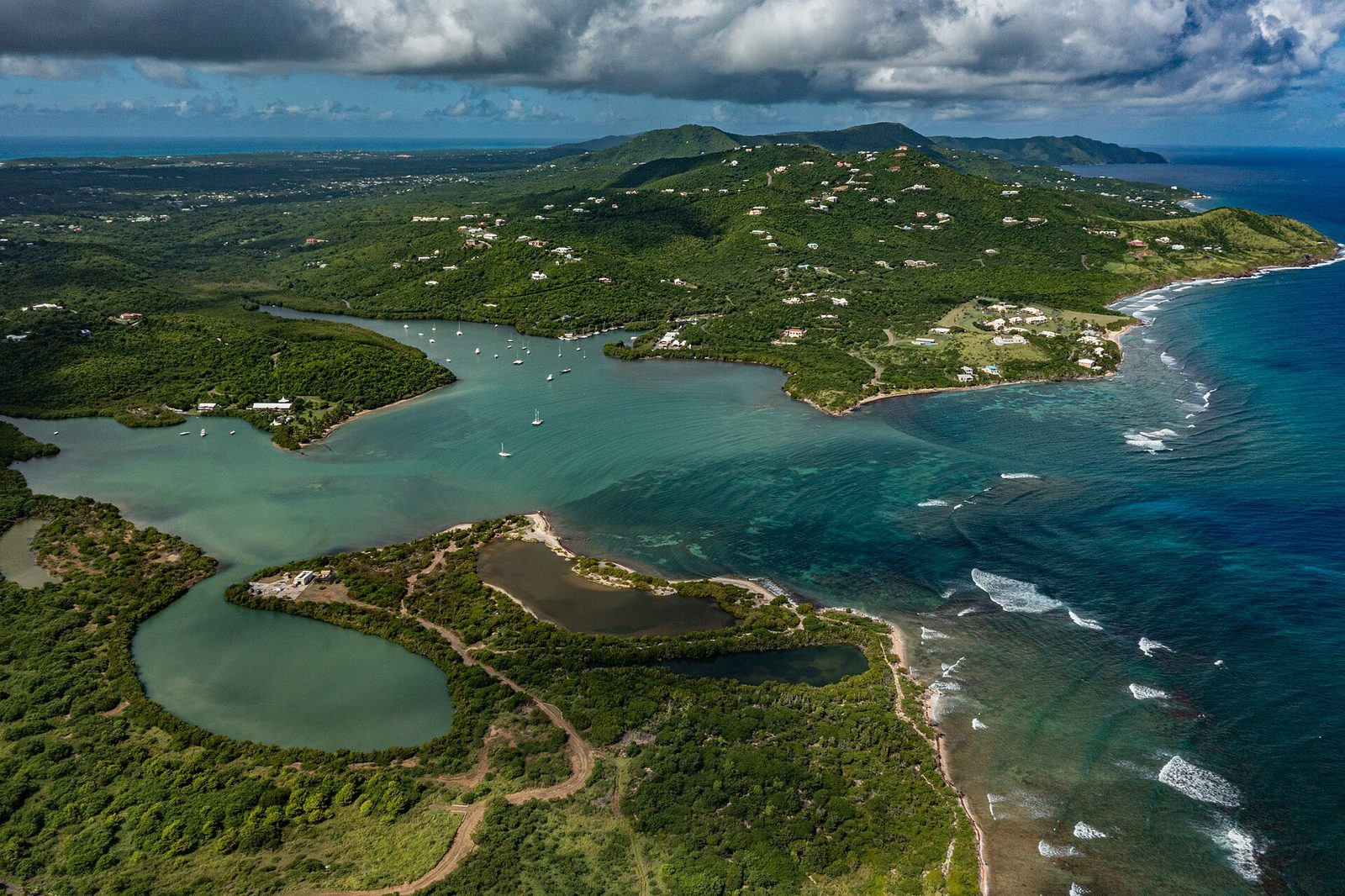
The only known place on what is now U.S. territory where Columbus's crew set foot (November 14, 1493) — 1,015 acres of mangroves, reef and a submarine canyon.
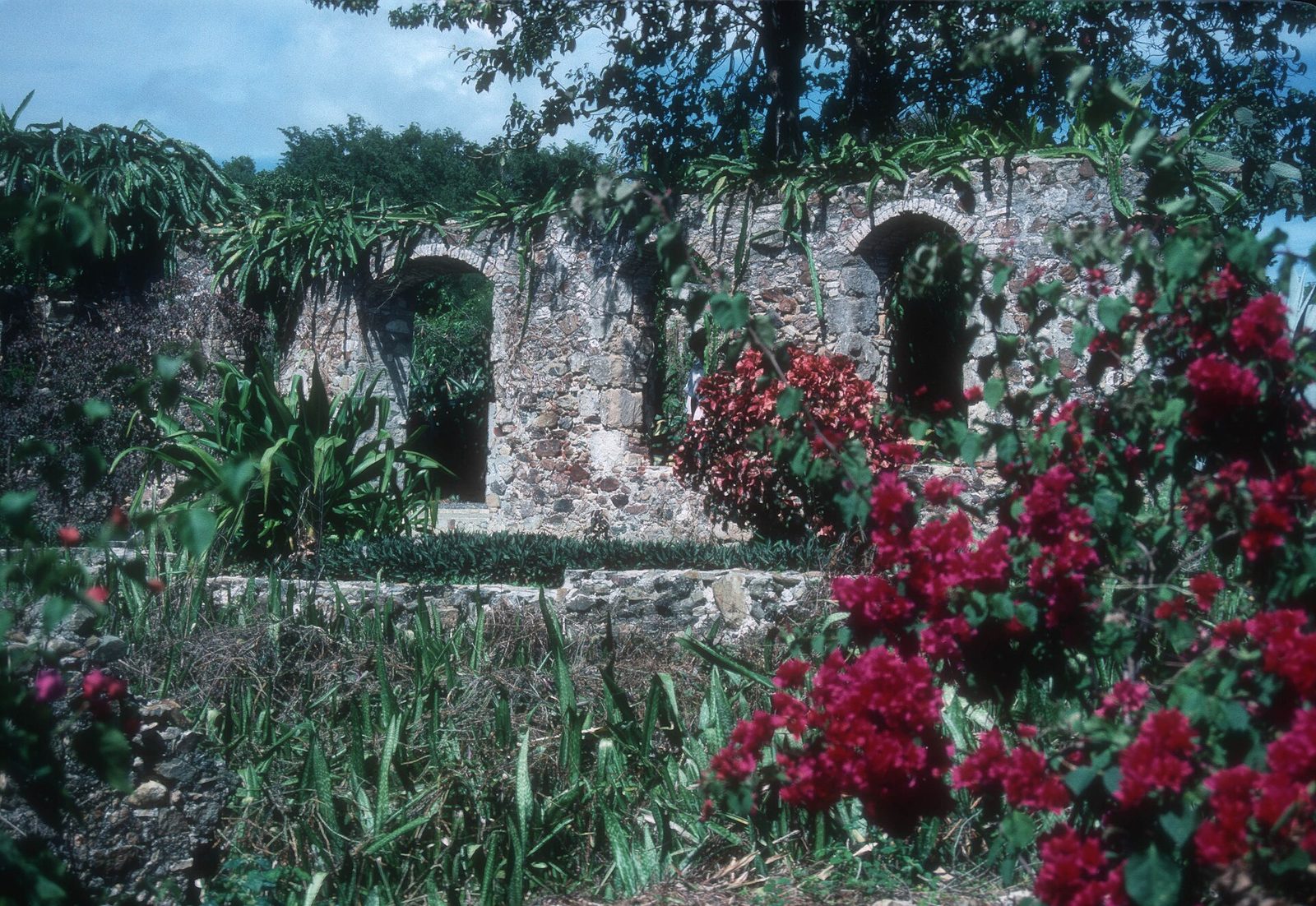
Gardens grown through the ruins of an 18th-century sugar plantation village — orchids against Danish stonework.
Free-admission art museum on Strand Street with rotating exhibitions every six to eight weeks; open Tuesday–Saturday.
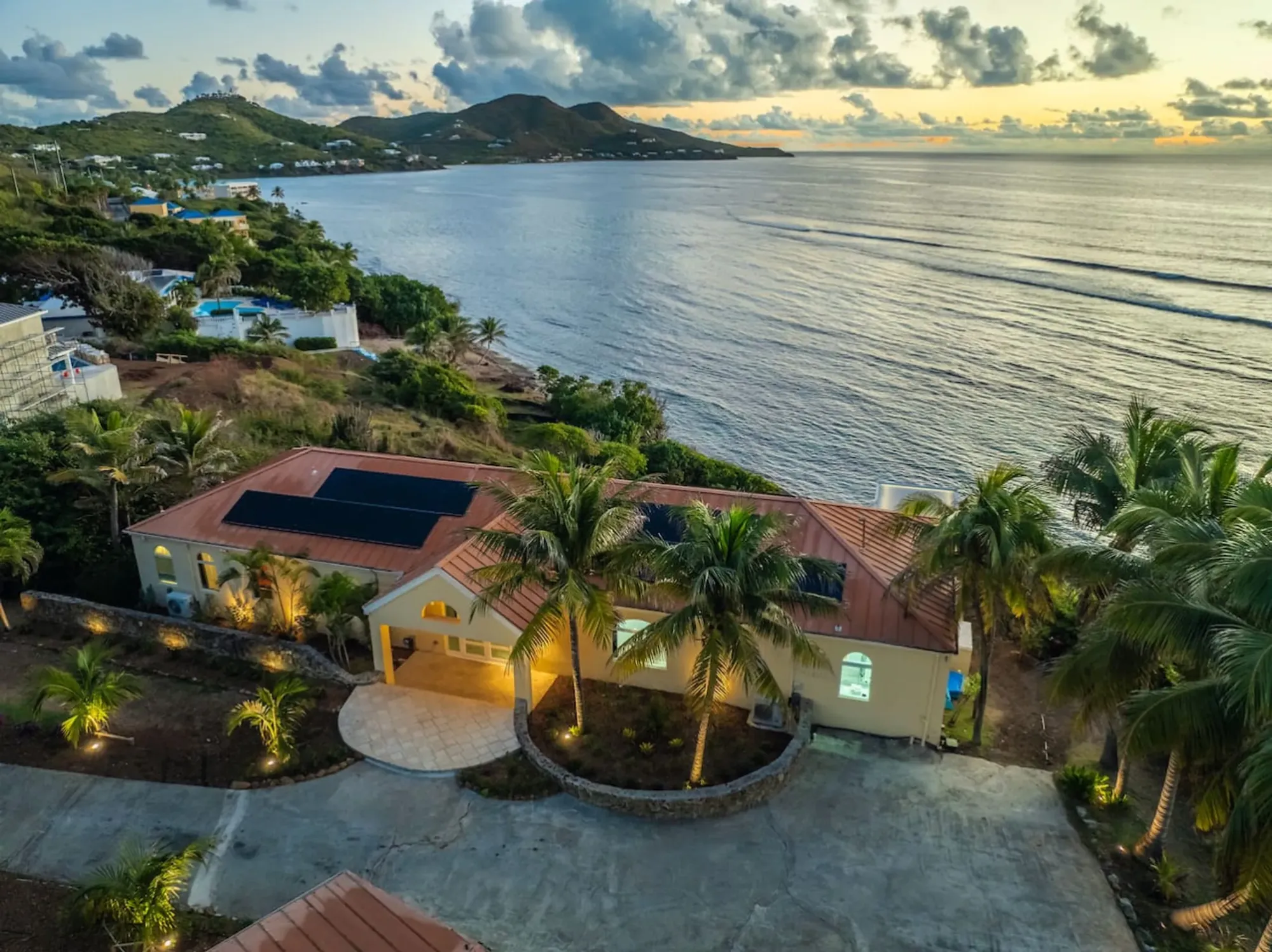
The Cerulean puts twelve of you on a private beach, fifteen minutes from town — check your dates.