


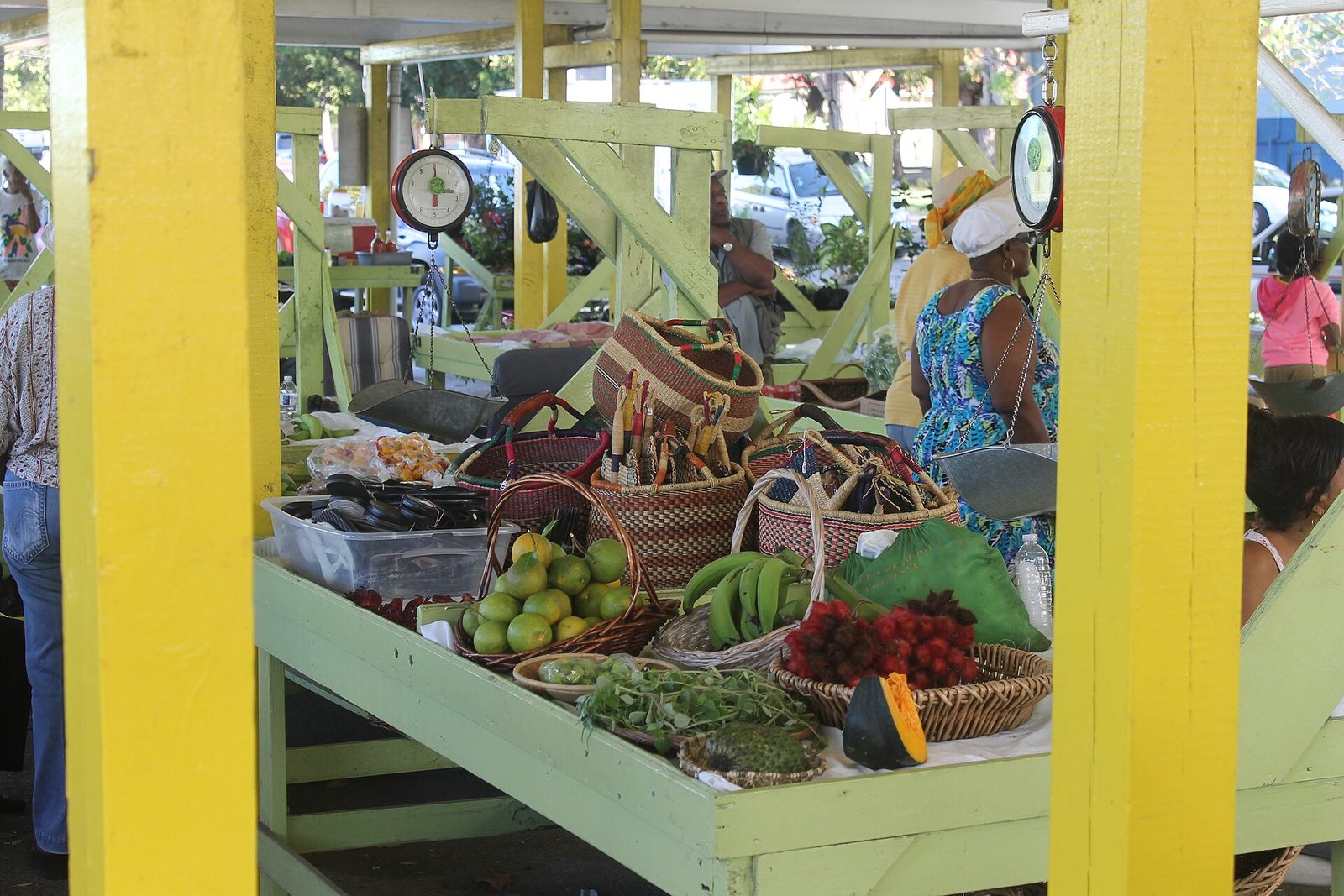
Taste of St. Croix: Food & Festival Guide
St. Croix takes its food seriously, and the island's calendar is full of celebrations built around it. The signature event is Taste of St. Croix — one of the Caribbean's best-known food festivals — but it's only the headliner. Below is the original festival guide, followed by the wider picture: the dishes that define Crucian cooking, the island's rum, and the other events worth timing a visit around.
Savor the Spirit of St. Croix: A Culinary Celebration Like No Other
On June 11, 2026, food lovers and culture seekers are invited to an unforgettable showcase of Caribbean flavors, live music, and island pride—the Taste of St. Croix festival. Held at the scenic Divi Carina Bay Resort, just two minutes from The Cerulean St. Croix, this year's event promises an elevated experience blending gourmet delights with vibrant entertainment. More than just a food festival, it's a dynamic celebration of local heritage, where family-run eateries, master chefs, and artisanal vendors come together to highlight the rich culinary identity of the U.S. Virgin Islands.
Attendees can expect an immersive experience that goes beyond the plate. Stroll through bustling vendor rows, sample signature dishes, and enjoy live music performances throughout the day that capture the rhythm of island life. As the sun sets, the celebration continues with an exclusive after party featuring top local DJs, cocktails crafted with regional spirits, and special bites from select vendors.
This guide will walk you through what makes the festival a must-attend, how to plan your visit for maximum enjoyment, and tips to navigate the tastings like a pro. (Taste of St. Croix is an annual event; dates and venue shift year to year, so confirm the current schedule before you plan around it.)
Meet the Makers: Local Food Vendors Shaping St. Croix's Festival Scene
Experience the heart of Caribbean cuisine by exploring the talented food vendors bringing the Taste of St. Croix to life this year. These local entrepreneurs—ranging from family-run food trucks to celebrated island chefs—showcase centuries-old recipes and inventive dishes that reflect the cultural mosaic of St. Croix.
Enjoy the locally sourced ingredients—think fresh-caught snapper, island-grown tamarind, or hand-grated coconut from sustainable, community-based food systems. Many top booths are operated by generational cooks who prepare signature items like steamed fish in banana leaves, smoked souse, or pineapple-glazed pork, using methods perfected over decades. Be sure to engage in conversation—many chefs are eager to share cooking tips, such as how to properly fry a johnnycake or balance spice in pepper sauce.
By supporting these vendors, you become part of a larger movement preserving St. Croix's culinary identity while enjoying unforgettable tastes unique to the U.S. Virgin Islands.
Discover the Layers of Caribbean Flavor at St. Croix's Table
Caribbean cuisine is a living, breathing reflection of cultural fusion, and few places showcase this more vividly than St. Croix. At the heart of the island's food festival scene lies a rich mosaic of traditional dishes, inventive fusions, and tropical ingredients that define the region's culinary identity. Visitors exploring these flavors will encounter deep-rooted cooking methods—from slow-simmered stews to wood-fired grilling—paired with bold, aromatic seasonings like allspice, scotch bonnet peppers, and fresh thyme.
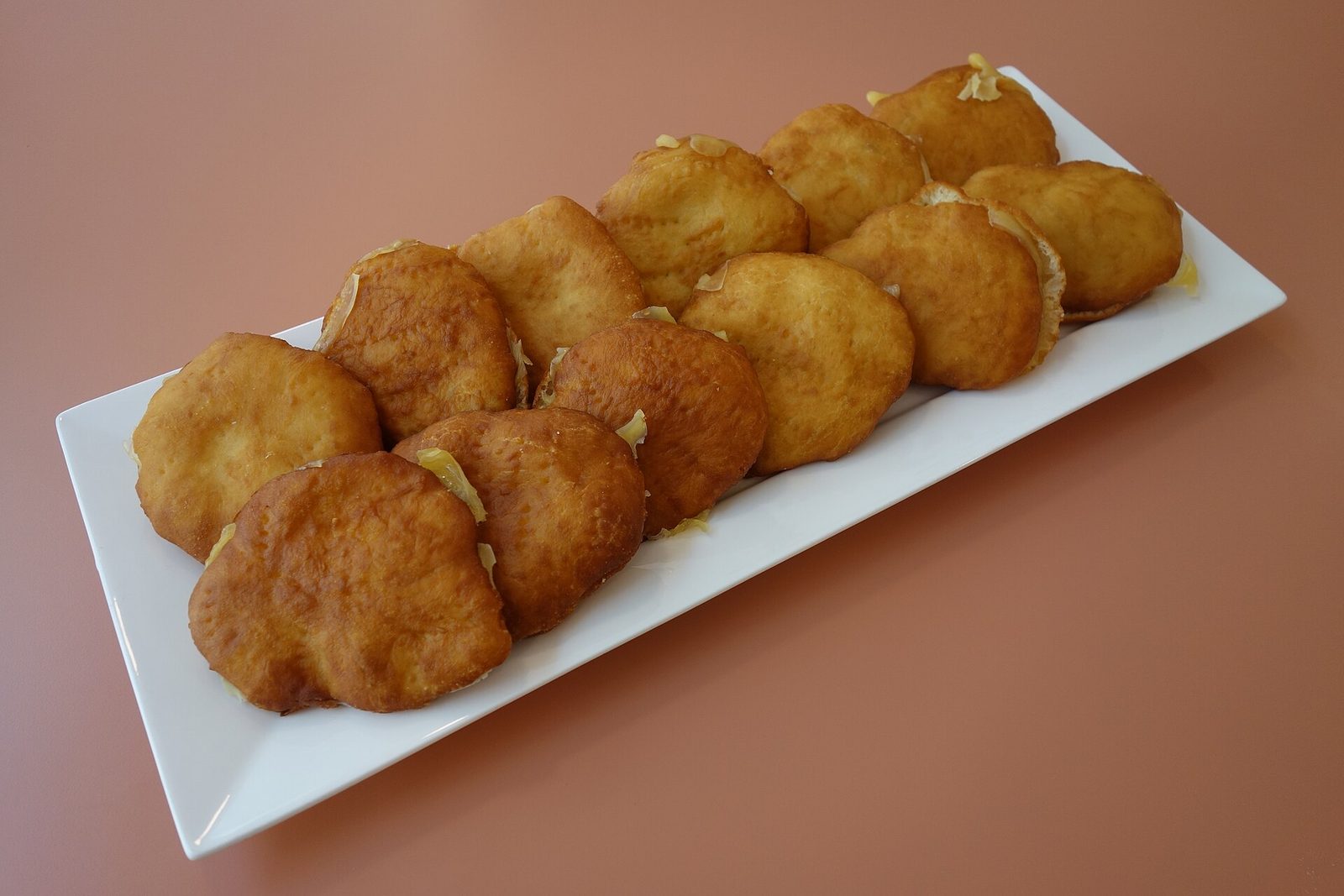
Traditional offerings such as fungi (a cornmeal and okra side), saltfish, and pate (savory fried dough pockets) highlight the African and Creole influences that have shaped U.S. Virgin Islands fare for generations. These dishes are often handcrafted by local families using time-honored techniques and ingredients sourced directly from island farms and waters.
Meanwhile, the rise of Caribbean fusion brings exciting new pairings—think grilled plantain tacos, coconut-curried shrimp bowls, or mango-chili glazed ribs—all of which honor tradition while embracing modern palates. To fully appreciate the depth of flavors:
- Look for dishes featuring seasonal catches like mahi-mahi or queenfish
- Try island-specific staples such as cassava, tamarind, and sea grapes
These culinary layers not only enrich your festival experience but also deepen your appreciation for St. Croix's gastronomic heritage.
The dishes to know
If you want to eat like you're actually on St. Croix rather than at a resort buffet, learn a few names before you go:
- Fungi (pronounced foon-ghee) — a cornmeal-and-okra staple, the Virgin Islands' answer to polenta, usually served alongside fish.
- Pate (pah-tay) — a fried, half-moon pastry stuffed with spiced saltfish, chicken, or beef; the classic island snack.
- Johnnycake — lightly sweet fried dough, eaten any time of day.
- Saltfish and dumb bread — a traditional Sunday-morning plate.
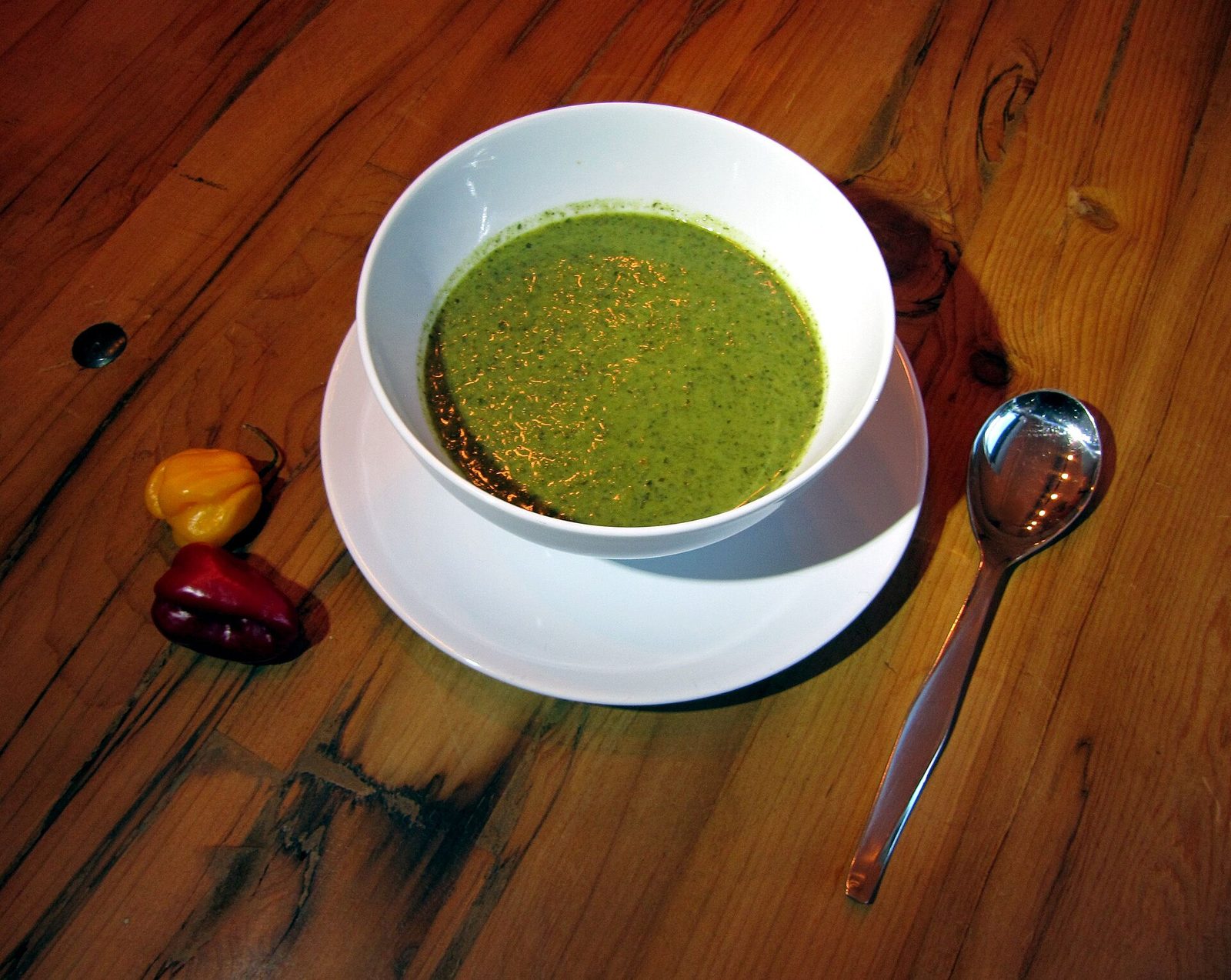
- Kallaloo — a rich, dark stew of leafy greens, okra, and meat or seafood, often tied to holidays.
- Conch — in fritters, chowder, or "in butter sauce," a menu fixture across the island.
- Maubi and sorrel — local drinks; maubi is made from tree bark and spices, sorrel from hibiscus, and sorrel especially shows up around Christmas.
- Souse — a tangy, citrus-and-cucumber cold dish of pork or chicken, a weekend and celebration staple.
- Roti — a soft flatbread wrapped around curried meat or vegetables, carried over from the wider Caribbean's Indian heritage.
And save room for the sweet side, which is half the point of an island with this much fruit and sugar history: tarts and turnovers filled with guava, pineapple, or coconut; sugar cakes and coconut candy sold at markets and festivals; tamarind balls, sweet-sour and rolled in sugar; and cold treats to beat the heat. A lot of the best of it comes from a roadside cook or a festival stall rather than a restaurant, so keep an eye out and don't be shy.
The island's rum
St. Croix has been making rum for centuries — it was the whole economic point of the island under the Danes. Today the island is home to a major distillery on the south shore that has produced rum here for generations, and rum remains woven into Crucian life, from the Cruzan-style "painkiller" to the sorrel and guavaberry drinks that mark the holidays. A distillery tour is an easy, kid-tolerant afternoon and a straight line into the island's history. Drink responsibly, and never drive after — the island's roads are dark and narrow at night.
Your St. Croix Festival Adventure: Venue Insights & Local Logistics
In 2026 the Taste of St. Croix took place at the Divi Carina Bay Resort, just two minutes from The Cerulean St. Croix, making it incredibly convenient for our guests. The venue offers open-air grounds with ocean views, shaded seating areas, and dedicated spaces for food vendors, live performances, and cultural exhibits.
Accessibility is a priority at events like this: the resort features paved walkways, accessible facilities, and clear signage. Parking is typically available on-site for those driving, but be sure to check first. If you're staying nearby on the East End, walking or a short taxi ride saves you the parking question entirely.
Where the food comes from
Crucian cooking is a layered thing, and every layer is a piece of the island's history. The foundation is West African, carried here by enslaved people and expressed in staples like fungi, kallaloo, and the deep use of okra, pigeon peas, and root vegetables. On top of that sits Danish colonial influence, visible in baked goods and in the island's long love of ham and pork. Then come the waves of migration from across the Eastern Caribbean — Puerto Rico, the down-island nations, and beyond — each adding dishes until "Crucian food" became the fusion you taste today. Add year-round tropical abundance — mango, soursop, guava, breadfruit, tamarind, sea grapes, coconut — and fish pulled from the surrounding water, and you have a cuisine that's genuinely of this place.
The best way in is often the simplest: a roadside pate from a local cook, a plate of stewed fish and fungi, a johnnycake still warm from the fryer. Farmers' markets and roadside stands are where you meet the ingredients in their raw form, and vendors are usually happy to tell you what something is and how to cook it. That kind of casual, everyday eating tells you more about St. Croix than any single festival can.
Drinks worth trying
St. Croix's drinks are as distinctive as its food. Beyond rum, look for maubi, a tangy, lightly fermented drink made from the bark of the maubi tree with spices; sorrel, a deep-red drink brewed from hibiscus and spiced with ginger and clove, especially around Christmas; and guavaberry, a wild-berry liqueur that's a Virgin Islands holiday tradition. Fresh local juices — soursop, passionfruit, tamarind — turn up everywhere. And of course the rum punch, which on St. Croix is a point of pride rather than a tourist cliché. Ask a bartender what's local and you'll rarely be steered wrong.
The story of Crucian rum
Rum isn't a sideline on St. Croix — it's the reason the island's landscape looks the way it does. For two centuries the Danish colony ran on sugar cane, and rum was sugar's most valuable product; the mill ruins in the hills, the warehouses on the Christiansted wharf, and the wealth that built the Danish towns all trace back to it. That history has a hard side that St. Croix doesn't hide: the sugar-and-rum economy was built on enslaved labor, and the 1848 emancipation at Fort Frederik is remembered here with real pride. Today the island still distills rum on a large scale on the south shore, continuing a tradition that predates the United States itself. A distillery visit ties the whole story together — cane to sugar to rum to the island you're standing on — and it's an easy, all-ages afternoon. Sample responsibly, buy a bottle to take home (no customs hassle for U.S. travelers), and arrange a ride rather than driving after.
Eating well year-round
You don't have to wait for a festival to eat like this. Christiansted's boardwalk and side streets hold much of the island's sit-down dining, from harbor-front seafood to casual island plates, and Frederiksted has its own cluster of local spots near the pier. Beach bars around the island do a roaring trade in conch, fish, and cold drinks. And if you'd rather not go out at all, a private chef can bring the island's flavors to the villa — a Crucian dinner cooked in your own kitchen, with someone who can tell you the story behind every dish. Provisioning from the local markets before you arrive is the other easy option, so the fridge is stocked with island produce from the first morning.
The wider festival calendar
Taste of St. Croix is the marquee food event, but the island celebrates all year:
- Agriculture & Food Fair (the "Ag Fair"), held in February, is the island's largest annual gathering — a celebration of local farming, food, livestock, and craft that draws Crucians home from all over.
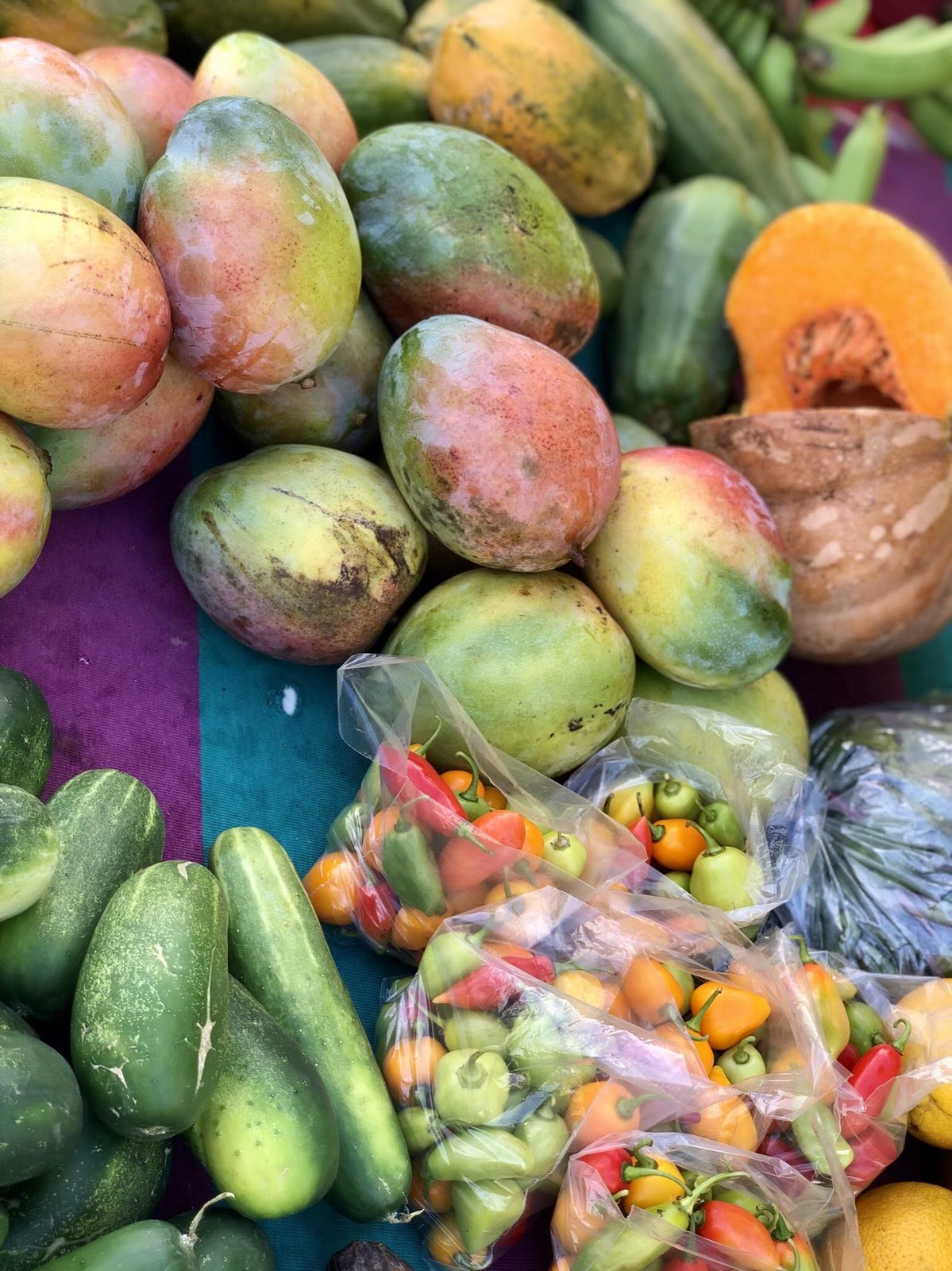
- Mango Melee, a summer festival at the St. George Village Botanical Garden, is a joyful ode to the mango harvest, with dozens of varieties, mango dishes, and an artisan market.
- The Crucian Christmas Festival, St. Croix's version of Carnival, runs from December into early January with food fairs, music, and the big parades — the island's cultural high point of the year.
Any of these is worth planning a trip around; between them and the restaurant scene in Christiansted and Frederiksted, you never have to wait for a festival to eat well here.
Taste of St. Croix Festival FAQ
Where is the Taste of St. Croix held and what are the hours?
The venue and hours vary by year. In 2026 it was held at Divi Carina Bay Resort, minutes from The Cerulean St. Croix, with gates opening in the evening for live music, tastings, and vendor booths, followed by an after party. Always confirm the current year's details before you plan.
How do I buy tickets and are they refundable?
Admission and after-party tickets are typically sold in advance online. Early purchase is recommended, as spots are limited, and tickets are usually non-refundable but transferable.
Is the festival family-friendly and can I bring my pet?
The daytime festival is generally family-friendly, with kid zones and local games. Pets are not permitted unless they are certified service animals.
What should I bring for a comfortable experience?
Pack light but smart: wear breathable, sun-safe clothing, comfy footwear, and bring a wide-brimmed hat; it is summer after all. A reusable water bottle, small tote bag, and cash (many vendors don't accept cards) will make your day easier.
What are my transportation and parking options?
On-site parking is usually available at the venue. If you're staying nearby, walking or a short taxi ride avoids the parking altogether.
Planning a trip around the food
If eating is a real priority for your trip, it's worth building the dates around one of the island's food events — but with a light touch, because the everyday food scene is strong enough that you won't go hungry between festivals. The February Agriculture & Food Fair and the December-into-January Crucian Christmas Festival are the two biggest cultural gatherings and the most immersive if you want the full island experience; Mango Melee in July and Taste of St. Croix in early summer are more focused, single-day-style celebrations. Any of them sells out or fills up, so book accommodation and any ticketed events well ahead, and confirm current-year dates directly with the organizers, since they move around the calendar.
Tips for getting the most out of an island food festival
- Come hungry and pace yourself. The whole point is to graze widely — small plates from many vendors beat one big meal from one.
- Bring cash. Many vendors don't take cards, and lines move faster when you've got small bills ready.
- Talk to the cooks. Crucian food comes with stories, and the people making it are usually glad to share what a dish is and how it's made.
- Dress for the heat. Sun, humidity, and standing around outdoors — light clothes, a hat, water, and comfortable shoes make the difference.
- Arrange your ride home in advance, especially if there's rum involved. Taxis and designated drivers beat guessing after a long, warm day.
Why You Can't Miss the Taste of St. Croix
The Taste of St. Croix stands out as more than just a Caribbean food festival—it's a living celebration of culture, community, and culinary artistry that captures the essence of St. Croix's vibrant food identity. It offers unmatched access to the island's culinary heartbeat. Attendees don't just eat—they learn. Through live cooking demos, vendor conversations, and ingredient tastings, you can pick up a little about traditional preparation methods, seasonal produce like tannia and sea grapes, and the cultural significance behind staple dishes.
Whether you're a guest staying at The Cerulean St. Croix or visiting from afar, digging into the island's food — at a festival or just at a good local table — deepens your understanding of Caribbean cuisine while supporting local food entrepreneurs. Come hungry, and leave with a real taste of the island. And if you time your visit to a festival, all the better: there's no faster way to eat your way across St. Croix's whole culinary map in a single afternoon, with the people who cook it standing right there to tell you what you're tasting.

Plan your own week.
Check the villa's calendar and hold your dates.