

Discovering the Vibrant Art Scene of St. Croix, USVI
Lead artwork on the original post: "Moko Jumbie" by Lucien Downes.
Sun, Sea, and Canvas: Arts in St. Croix
When people think of St. Croix, the largest of the U.S. Virgin Islands, images of powdery white sand, turquoise waters, and historical sugar mills usually come to mind. But beneath the tropical tranquility lies a fiercely passionate, colorful, and resilient community of creatives.
The Crucian art scene is an electrifying fusion of West Indian heritage, Danish colonial history, and modern expressionism. If you are planning a trip to the island, diving into the local art culture is an absolute must.
The Twin Towns of Crucian Art
St. Croix's art scene is anchored by two distinct historic towns, each offering a completely different creative energy.
Frederiksted: The West End's Creative Heart
On the western coast, Frederiksted (known to locals as "Freedom City") has a relaxed, community-focused art scene. The undisputed crown jewel here is the Caribbean Museum Center for the Arts (CMCArts).
Housed in a gorgeous, historic 18th-century building right on the waterfront, CMCArts acts as a museum, gallery, and community education space. It hosts rotating exhibits featuring both local Virgin Island masters and international Caribbean diaspora artists.
Christiansted: The East End's Gallery Walk
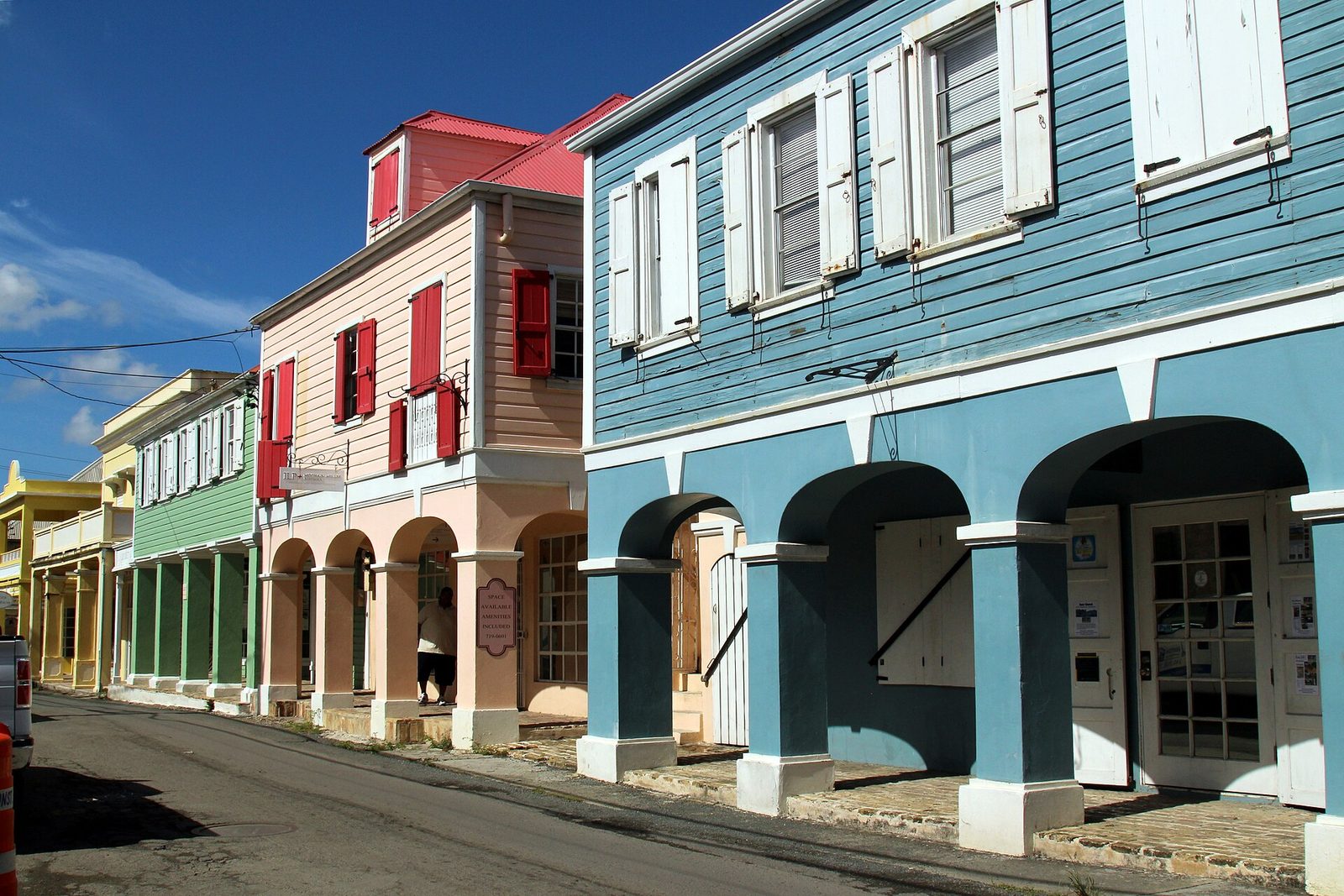
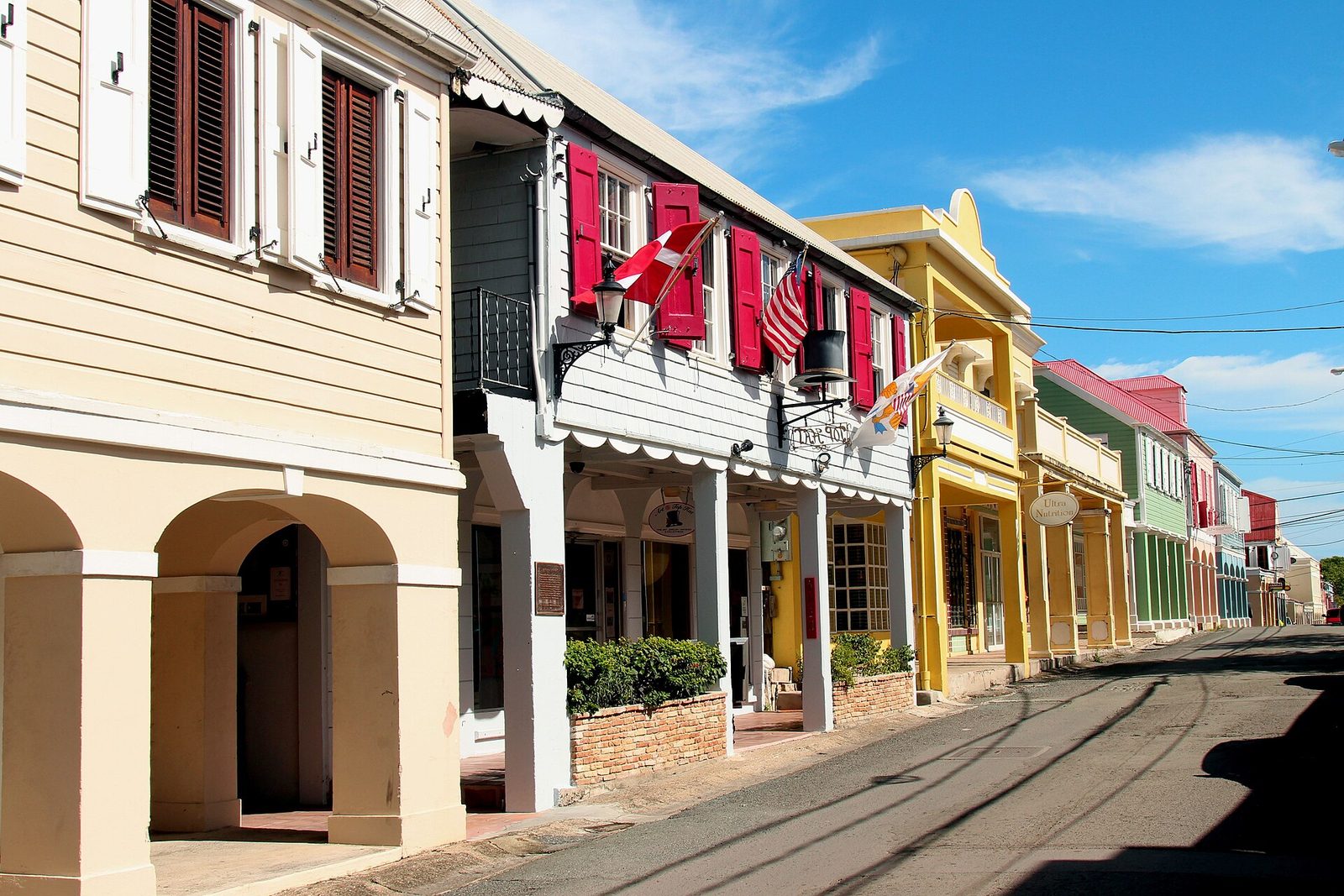
On the eastern side of the island, the historic cobblestone streets of Christiansted are lined with architectural, candy-colored Danish colonial buildings that house an incredible density of independent galleries and fine art studios.
Because the town is so walkable, you can easily explore a massive variety of styles within just a few blocks along Company, King, and Queen Cross streets. Here are the core galleries you shouldn't miss:
- Cane Roots Art Gallery: Located at 24 Company Street and founded by Sonia Deane, this contemporary space intentionally bridges the artistic gap between the Caribbean and the broader Americas. It features highly curated, rotating solo and group exhibitions that challenge, celebrate, and reflect modern Caribbean identity.
- Mitchell Larsen Studio: A beloved St. Croix institution for over 30 years run by Jan Mitchell-Larsen and Steffen Larsen. It is known for colorful kiln-fired glass art featuring whimsical, distinctly Crucian designs like local roosters, marine life, and historic windmills.
- Christa's Art Gallery: Tucked into 57 Company Street, this gallery is owned and operated by native Virgin Islands artist Christa-Ann Davis Molloy. Her vibrant, soulful paintings are a pure celebration of local movement, capturing the energy of Moko Jumbies (stilt dancers), traditional Quadrille dancers, and steel pan drummers.
- Many Hands Gallery: Located in the historic Pan Am Pavilion on Strand Street, this warm, jam-packed shop features work from dozens of local hands, including locally made pottery, stained glass, hand-carved mahogany bowls, and fine jewelry. It's essentially a curated, permanent indoor market for St. Croix's independent artisan community.
- The Henle Studio: A foundational pillar of the Christiansted art scene, this gallery preserves the legacy of the late Maria Henle, a legendary St. Croix artist renowned for her sweeping, atmospheric oil landscapes. Today, her family keeps the space open, showcasing Maria's archival work alongside fine art photography and prints from the Henle family estate.
(Galleries on a small island open, move, and change hands more often than mainland ones. Any of these is worth a look, but it's always worth confirming current hours before you make a special trip.)
A scene worth supporting
There's a reason to buy a piece here beyond taking home a nice object. St. Croix's art community is small, independent, and close-knit, made up of artists who have chosen to build their working lives on the island. The galleries along Company Street, the glassblowers and wood-turners, the jewelers working Crucian gold and chaney, the painters translating Moko Jumbies and quadrille dancers onto canvas: almost none of this is a big commercial operation. When you buy directly from an artist or a local gallery, the money stays with the person who made the work and helps keep the studio open another year. It's one of the more meaningful souvenirs you can bring back from anywhere — a real object, made by a named person, in a place you can picture. That's a different thing entirely from a rack of imported trinkets, and on St. Croix you have every chance to choose the former.
A little history: why a small island makes so much art
St. Croix's density of artists isn't an accident. The island has drawn painters and craftspeople for well over a century, pulled in by the light, the color, and the cheap, beautiful old Danish buildings — and it has produced its own generations of Crucian artists whose subject is the island itself. The candy-colored architecture of Christiansted and Frederiksted, all arcaded sidewalks and pastel warehouses, is itself a kind of found art, and it gives the galleries a setting most places can't match. Add a culture that has always made things by hand — jewelry, glass, wood, textiles — and you get a creative community far larger than the island's size would suggest.
That community is a lively one. Crucian-born artists work alongside painters and potters drawn from the mainland and beyond, and CMCArts in Frederiksted pairs rotating shows of Virgin Islands masters and Caribbean diaspora artists with printmaking and pottery workshops in its courtyard. Galleries rotate their exhibitions through the year, and Frederiksted's collection of public murals keeps growing, so a return visit rarely looks like the last one. For a visitor, that means there is always something new on the walls, and a good chance of meeting the person who made it.
It helps to arrive curious rather than in a hurry. Ask what medium you're looking at, where the artist is from, what the piece depicts — a Moko Jumbie, a specific bay, a scene from Carnival — and you'll almost always get a real answer and often a real conversation. That exchange is part of what you're buying, and it's the difference between carrying home a decoration and carrying home a piece of the island with a story attached.
From Danish colony to art island
The roots of St. Croix's creative life run deep and tangled. Under Danish rule the island grew wealthy on sugar, and that wealth built the elegant towns and great houses whose bones the galleries now occupy. After emancipation in 1848 and the long decline of sugar, and especially after the United States bought the islands in 1917, St. Croix reinvented itself more than once — and through all of it, a culture of making things by hand persisted: the jewelry, the ironwork, the mahogany carving, the needlework and quilting passed down in families. In the 20th century the island's light and cheap studio space drew painters and potters from the mainland and beyond, who mixed with Crucian artists rather than replacing them. The result is a scene with genuine range — folk craft and fine art, island-born masters and transplants, tradition and experiment — concentrated on an island you can drive across in an hour. That density and that mix are exactly what makes St. Croix's art worth a whole day of your trip.
The living arts: Moko Jumbie, Quadrille, and steel pan
Not all of St. Croix's art hangs on a wall. Three living traditions turn up again and again, both in the streets and in the paintings that depict them. The Moko Jumbie, the towering stilt dancer, comes from West Africa and survives here as a centerpiece of festival culture. Quadrille is a formal, elegant dance in bright traditional dress, a Crucian adaptation of a European courtly form — the enslaved took the colonizers' dance and made it their own. And steel pan, the instrument invented in the Caribbean out of discarded oil drums, provides the island's soundtrack, especially during the Crucian Christmas Festival. Watch for these live if your visit lines up with a festival; they're the sources the island's painters keep returning to.
What Makes Crucian Art Special?
Art on St. Croix isn't just decorative; it is deeply storytelling. You will find that local artists frequently engage with themes of:
- Cultural Heritage: Honoring the African diaspora, Moko Jumbie traditions (stilt dancers), and the island's indigenous Taíno roots.
- Sea and Landscape: Exploring the island's relationship with nature, from its reefs and marine life to sweeping landscapes of its bays in the strong tropical light.
- Traditional Crafts: From delicate West Indian "Crucian Gold" hook bracelets to intricate wood turnings made from native mahogany trees.
The Moko Jumbie, and why it keeps showing up
If one figure recurs in Crucian art more than any other, it's the Moko Jumbie — the stilt-walking dancer who towers over Carnival parades in bright ruffled costume. The tradition came across the Atlantic from West Africa, where the Moko was a protective spirit whose great height let him see trouble coming; on St. Croix it survived slavery and became a centerpiece of Crucian festival culture. When you see a painting of a Moko Jumbie, you're looking at a piece of living history, not a tourist motif. It's why the original version of this post led with Lucien Downes's "Moko Jumbie."
Crucian gold and chaney
Two local craft traditions are worth knowing about before you shop. The first is Crucian gold — a style of handmade gold jewelry, most iconically the "hook bracelet," whose open or closed hook is said to signal whether the wearer's heart is taken. The second is chaney (see the traveler tip below): fragments of centuries-old Danish porcelain, tumbled smooth by the sea, that local jewelers set in silver and gold. Both turn the island's history into something you can wear home.
Art Events Calendar
There's rarely a bad time to catch the island's culture, and some seasons bring deeper community interaction than others. Worth watching for:
CMCArts Exhibits & Workshops
The Caribbean Museum Center for the Arts hosts rotating exhibitions of local contemporary artists alongside interactive printmaking and pottery workshops in its breezy oceanfront courtyard in Frederiksted. Check its calendar for current exhibits and courtyard events.
Christiansted Art Walks
Christiansted has a long tradition of gallery strolls — the town-wide "Art Thursday" walks run their formal schedule through the winter peak season, and galleries keep the energy going year-round with opening receptions and pop-up evenings, staying open late while artists chat with visitors over local drinks. Check current schedules before you go.
Mango Melee Artisan Market
Though primarily a culinary celebration of the island's mango harvest, Mango Melee hosts one of the largest summer gatherings of local craftspeople, jewelry makers, and visual artists on the island. Vendors fill the lush, historic grounds of the St. George Village Botanical Garden in Frederiksted, offering everything from hand-turned native woods to bespoke metalwork. It's held annually on a Sunday in July.
Pro Tip for Travelers: If you want a truly unique souvenir, look out for "Chaney." These are smooth, sea-tumbled shards of historic 18th-century Danish porcelain found on St. Croix's beaches, which local jewelers wrap in silver or gold to make wearable pieces of Crucian history.
Planning a gallery day
The best way to see St. Croix's art is not to rush it. Give Christiansted a slow morning: park once and walk, since the galleries cluster within a few blocks along Company, King, and Queen Cross streets, and let yourself wander in and out. Talk to the gallery owners — on an island this size you're often speaking to the artist directly, or to someone who knows them well. Then give Frederiksted its own separate afternoon, built around CMCArts and the town's murals and waterfront, ideally ending with the west-coast sunset. Trying to do both towns in one rushed day sells the whole thing short; they're forty-five minutes and a world apart in feel.
A few practical notes: hours on a small island are looser than a big-city gallery's, and some spaces keep reduced or by-appointment hours in the quiet late-summer months, so a quick call ahead saves a wasted trip. Many galleries cluster their late openings and receptions around the winter season's art walks, which is the liveliest time to visit if your dates allow. And if a festival — Mango Melee, the Christmas Festival, an Ag Fair — overlaps your stay, that's when you'll see the most artists and craftspeople in one place.
Buying and bringing art home
One quiet advantage of St. Croix: because the U.S. Virgin Islands are a U.S. territory, buying art here is simple for American visitors — no customs declarations, no import paperwork, U.S. dollars throughout. Small pieces, jewelry, and glass travel home in your bag; galleries can advise on packing or shipping anything larger and more fragile. If you're buying original work, ask the artist or gallery about the piece's story — most Crucian art comes with one, and it's half of what you're taking home. And if you fall for a hook bracelet or a chaney pendant, know that you're buying a genuine island tradition, not a mass-produced trinket.
The town itself is the canvas
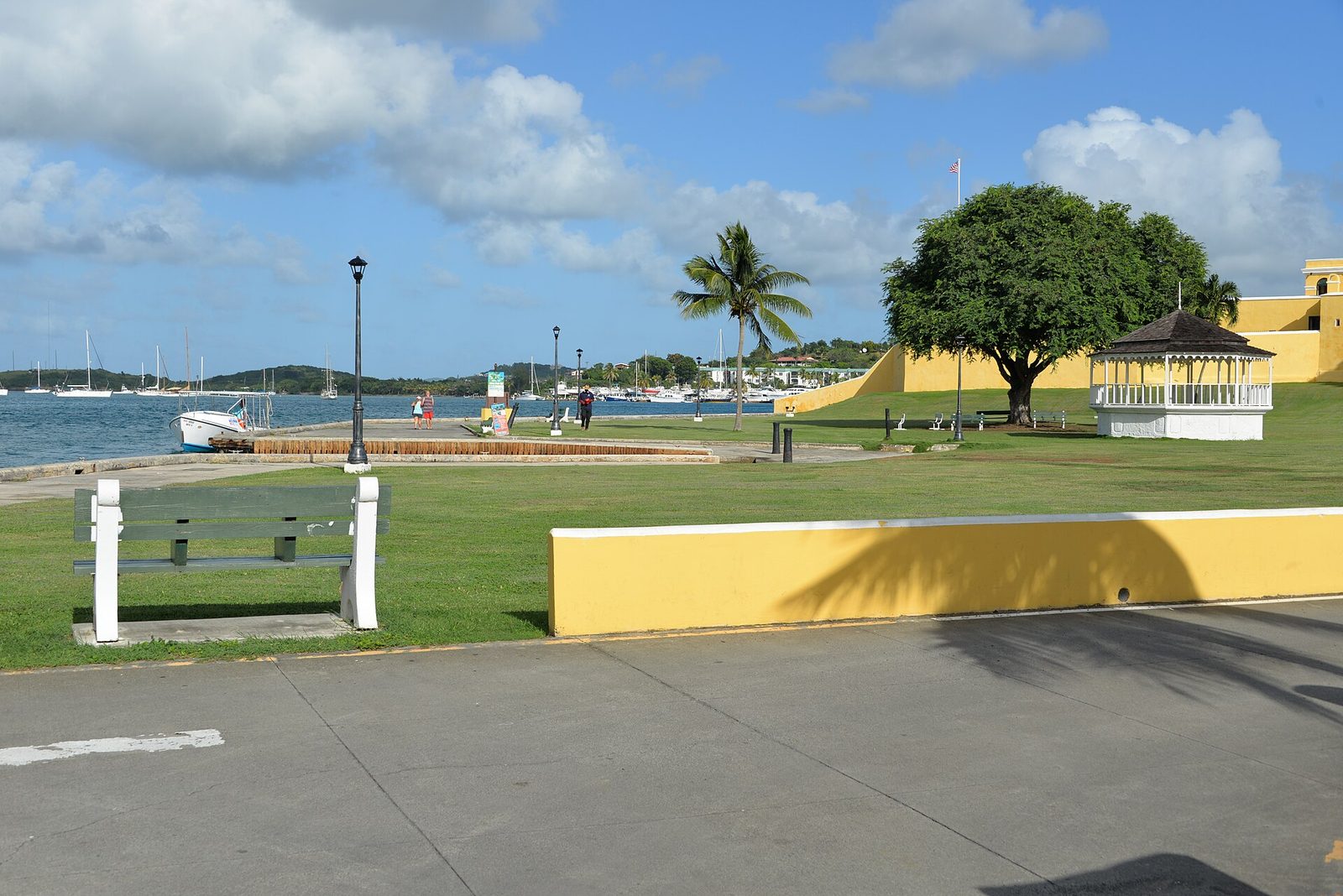
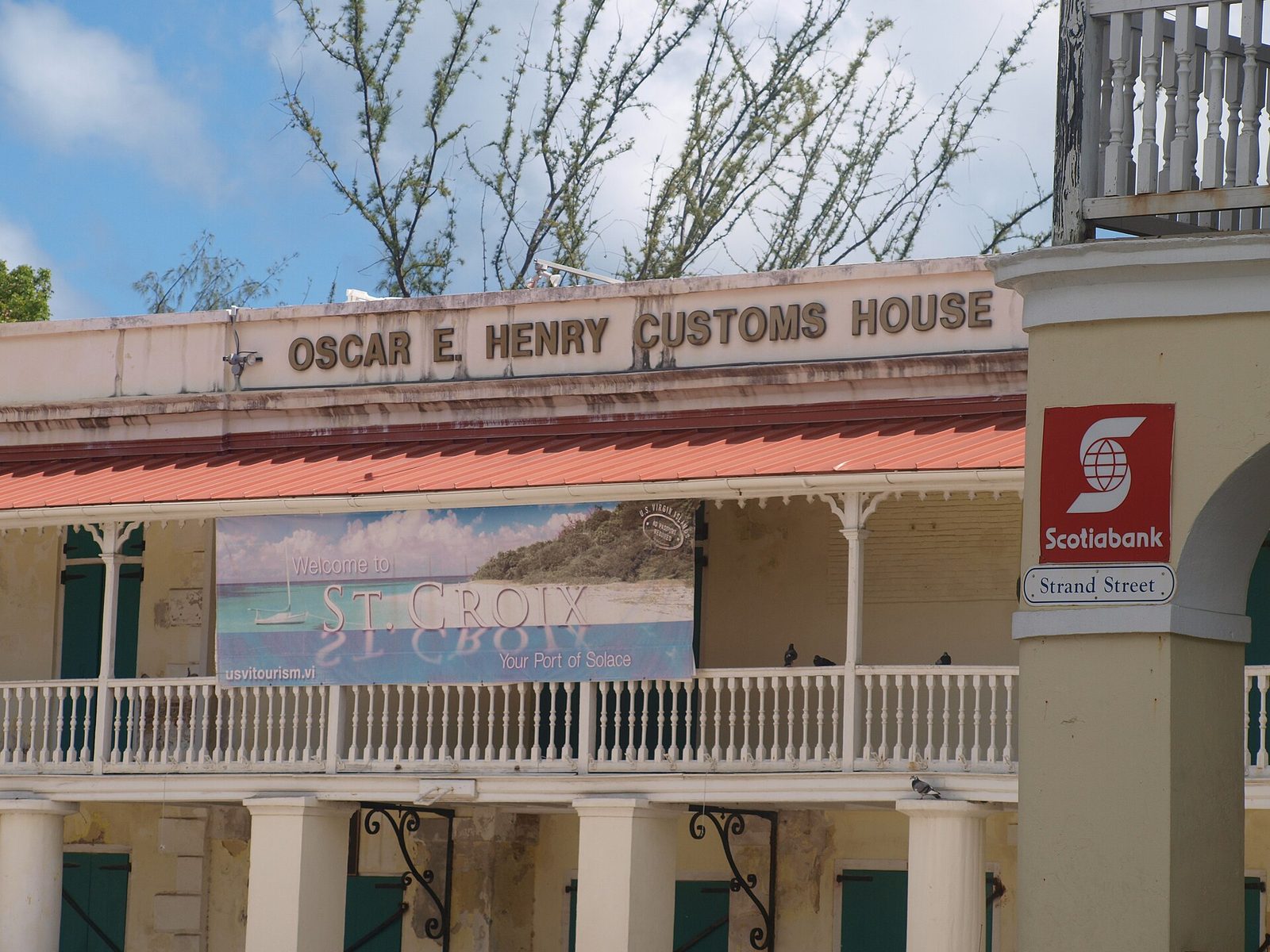
Before you step into a single gallery, spend a little time just looking at Christiansted and Frederiksted, because the towns are works of art in their own right. This is some of the best-preserved Danish colonial architecture anywhere in the Caribbean: arcaded sidewalks built to shade pedestrians from sun and rain, thick-walled warehouses in ochre, coral pink, and pale yellow, wrought-iron balconies, and cobbled streets laid with ballast brick that arrived as ships' weight. Fort Christiansvaern's mustard-yellow walls and Fort Frederik's coral-red ones are landmarks in every island painting for a reason. Photographers and painters have been drawn to this palette — the colored walls, the turquoise water, the strong tropical light — for generations, and once you notice it, you start seeing the whole town as the source material the island's artists keep working from.
Where to see art beyond the galleries
The galleries are the core, but St. Croix's creativity spills outside them. Frederiksted has a growing collection of public murals, part of the town's "Freedom City" arts identity, that make an afternoon's stroll its own open-air exhibition. The St. George Village Botanical Garden — built among sugar-plantation ruins — hosts craft fairs and doubles as a living work of landscape art. And the island's markets and festival grounds are where you'll find the working craftspeople: the wood-turners, the jewelers, the potters, selling directly. Between the two towns, a botanical garden, and whatever festival happens to be on, you could fill several days with St. Croix's visual culture and never repeat yourself.
Art at the villa
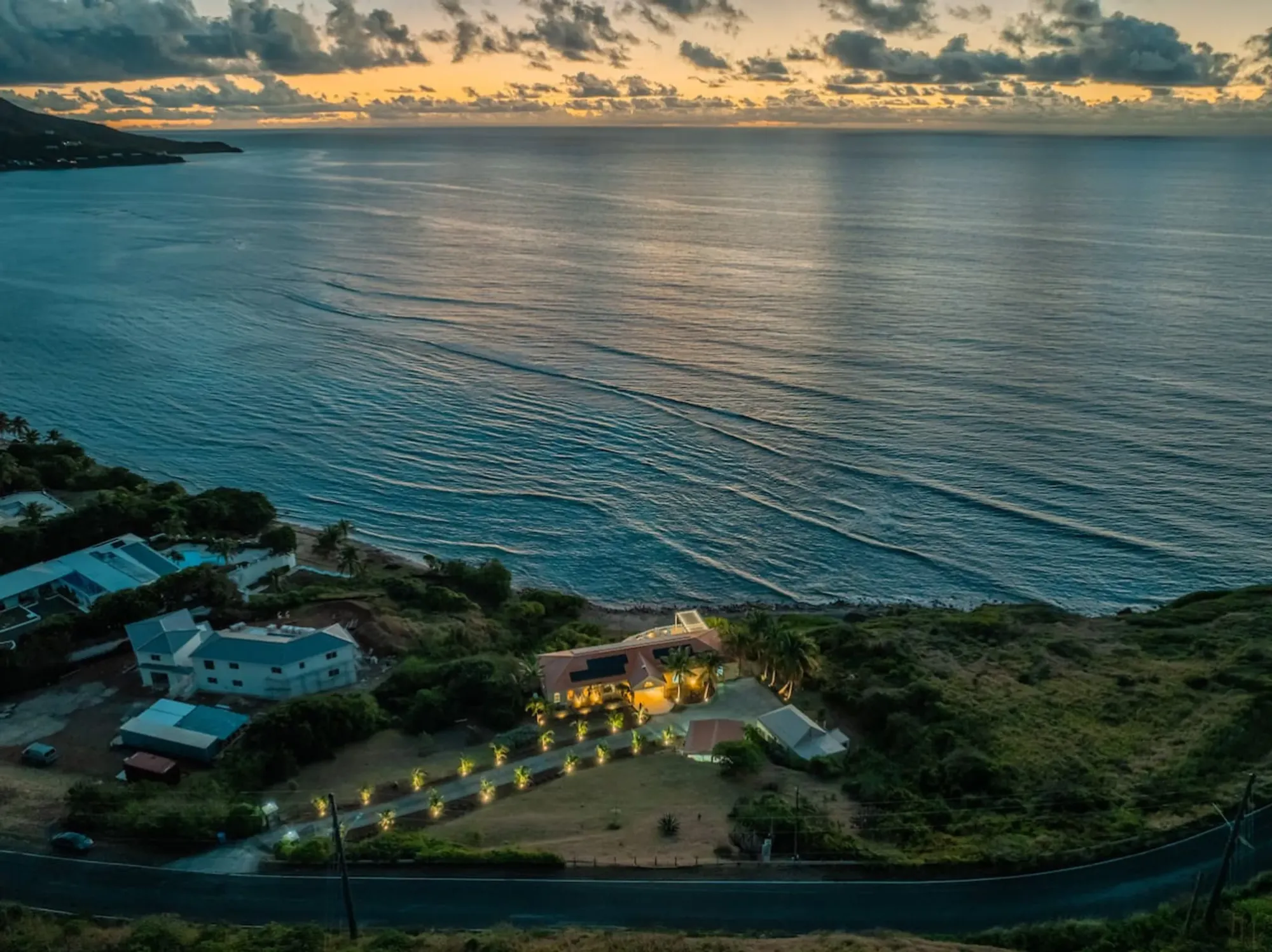
You don't have to leave the East End to be surrounded by Crucian art, either. The Cerulean is home to a collection of work by local artists — part of why the house feels like St. Croix rather than a generic rental. Spend a morning with the galleries in town, and you'll start recognizing the same hands, and the same island stories, on the walls back at the house. It's a small thing that guests often mention: the art makes the villa feel rooted in St. Croix, not dropped onto it.
Plan your own week.
Check the villa's calendar and hold your dates.