


Snorkeling Spots in St. Croix, USVI
St. Croix is a shore-snorkeling island. Unlike a lot of the Caribbean, where the good reef is a boat ride away, here you can walk in off a beach or a pier and be over living coral in a few minutes. What follows are the spots island regulars actually use, with the practical details — where to park, where to get in, and what you're likely to see. A note before you go: conditions change with the wind and the swell, so check the day's forecast and never snorkel alone.
Cane Bay
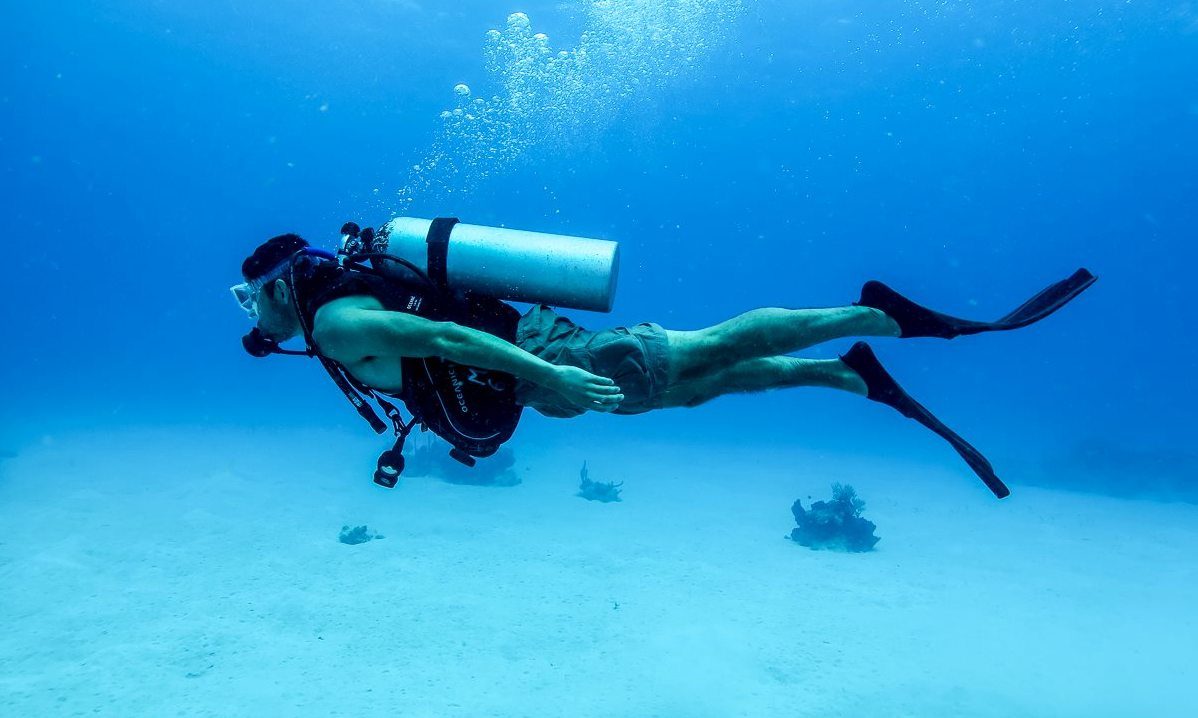
Cane Bay is located on the north shore of St. Croix. Parking is available at the Cane Bay Dive Shop and nearby roadside pull-offs. The main snorkeling area begins at the beach near the dive shop. The reef extends toward the drop-off, with healthy coral and frequent sightings of turtles, rays, and reef fish.
Cane Bay is the north shore's headline site for a reason: the famous Cane Bay Wall — a near-vertical drop where the reef shelf falls away into deep blue water — sits a few hundred feet off the beach. Divers descend the wall itself, but snorkelers get the best of it too, floating over the shallow reef right up to the lip where the bottom disappears. There are a couple of casual restaurants and bars right on the sand, which makes it an easy half-day: get in, dry off, eat, get back in.
Buck Island Reef National Monument
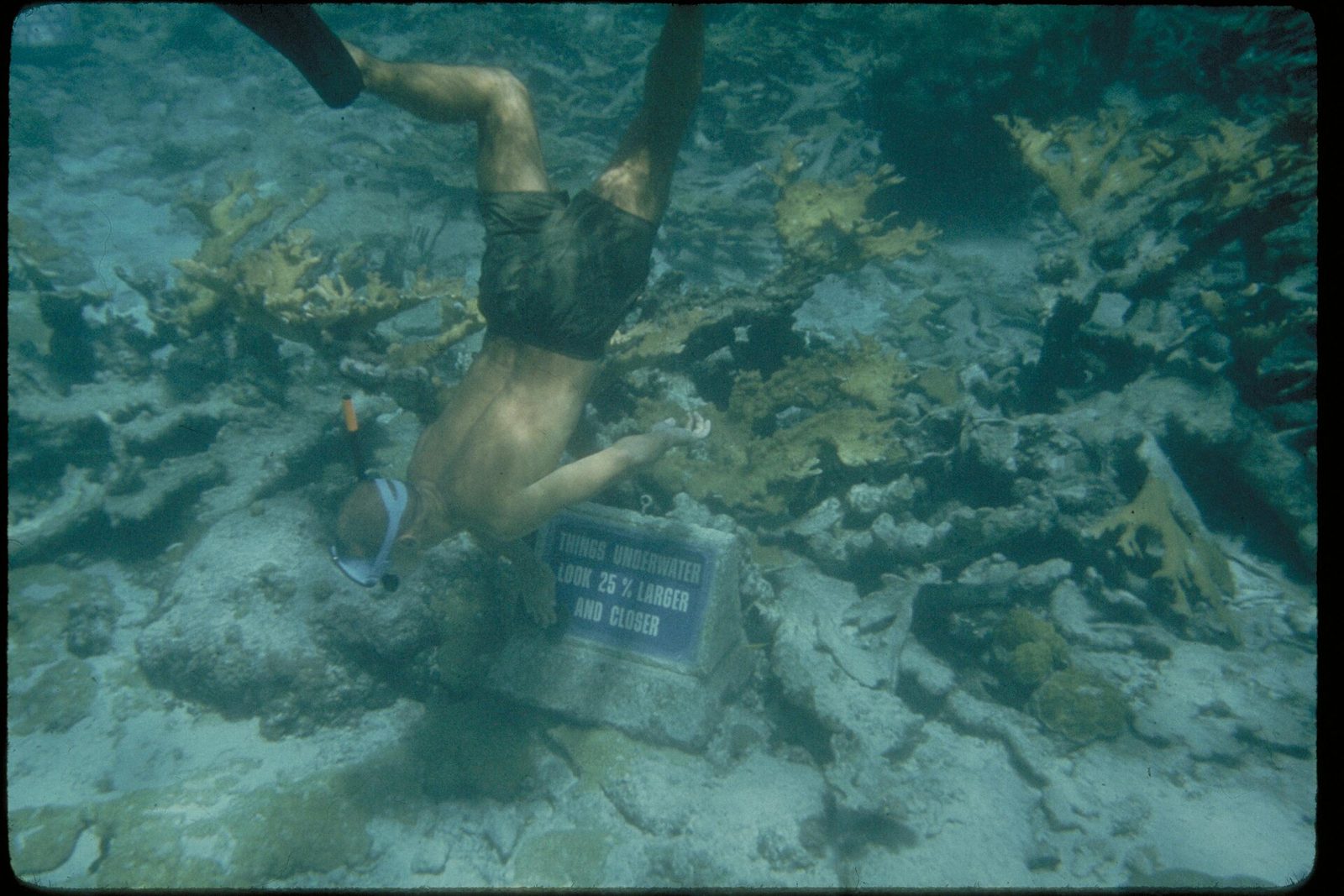
Buck Island is accessible by boat from Christiansted. Multiple tour operators offer trips. Parking in Christiansted is available near the waterfront. The snorkel trail circles part of the island's western shore. Coral formations include elkhorn and brain coral. Snorkelers commonly see sea turtles, parrotfish, and angelfish.
This is the one boat trip on the list, and it's worth it. Buck Island's underwater trail is a marked, self-guided loop through a protected elkhorn-coral barrier reef — the healthiest, most concentrated reef most visitors will ever swim. Because it's a national monument with daily visitor caps, it never feels crowded. If you only do one organized excursion on St. Croix, make it this one.
Sandy Point National Wildlife Refuge
Sandy Point is at the western tip of St. Croix. Access is limited during sea turtle nesting season, typically April to August. Parking is available in a designated lot off Route 66. The beach has no facilities. Snorkeling conditions are best in calm summer months. Reef areas are near the shoreline with patch coral and occasional turtle sightings.
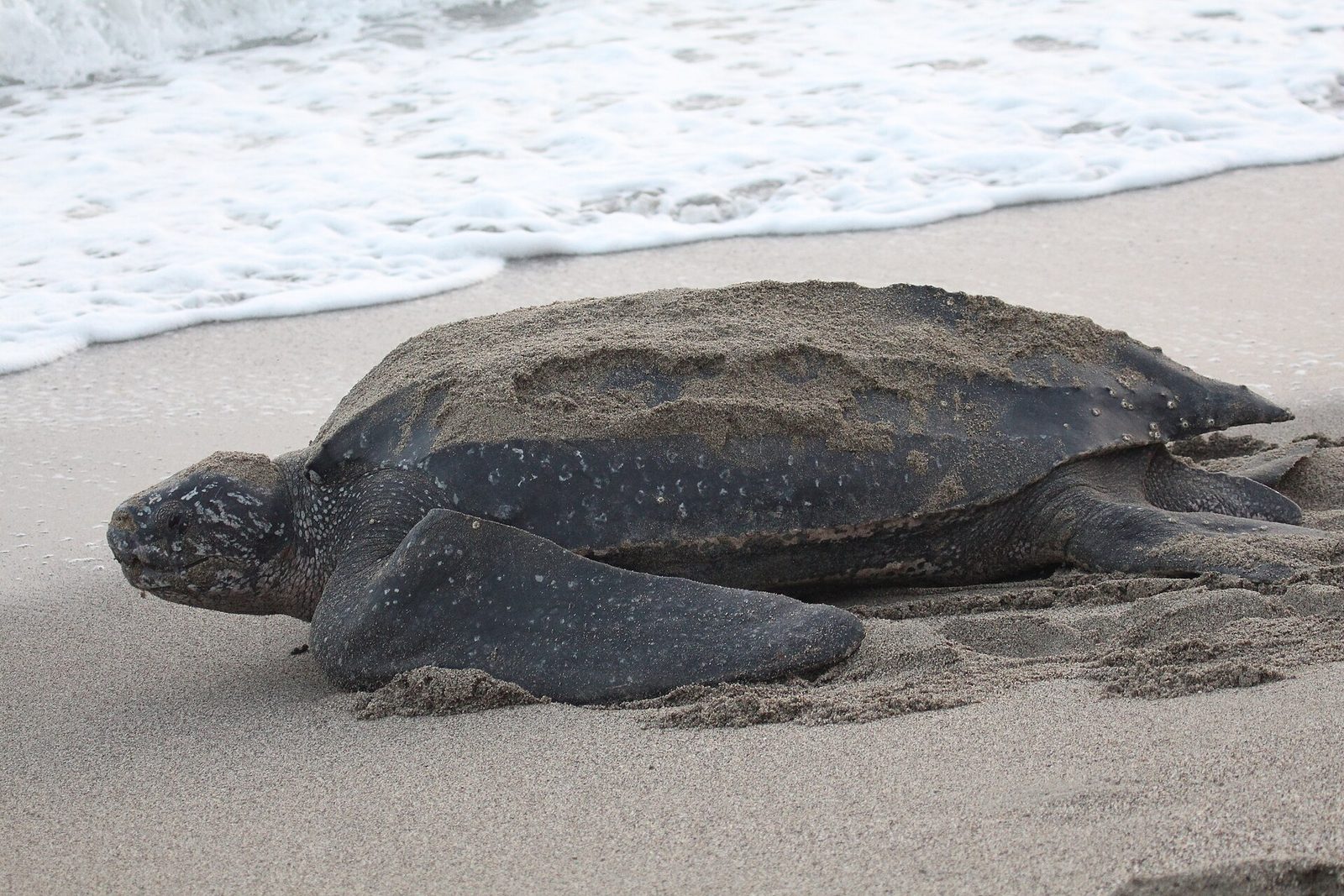
Sandy Point is the widest, whitest beach on the island — you may recognize it from film — and it's a protected refuge because it's one of the most important leatherback sea-turtle nesting beaches in the United States. That protection means the refuge is only open to the public on weekend mornings, and it closes entirely during the heart of nesting season. Check the current schedule before you drive out. The snorkeling is secondary to the setting here, but on a calm summer morning it's a beautiful, empty stretch of sand.
Salt River Bay National Historical Park and Ecological Preserve
Salt River Bay is on the north shore. Parking is available at the visitor area off Route 82. The site includes a mix of reef, seagrass, and mangrove habitats. Snorkeling access is from the beach. Visibility varies with tides and runoff. Marine life includes juvenile fish, stingrays, and occasional reef sharks.
Salt River is a place where history and ecology overlap: it's the only documented site where Columbus's crew came ashore on what is now U.S. soil, and it's also the island's most important estuary, where mangroves nurse the young fish that later populate the reefs. The mangrove-and-seagrass habitat makes for a different kind of snorkel — less about big coral, more about spotting juvenile fish, rays, and the occasional small shark in the shallows. It's also the launch point for the island's night kayak tours through the bioluminescent bay.
Frederiksted Pier
The Frederiksted Pier extends 1,200 feet into the ocean. Public parking is available near the town's waterfront. Entry is from the pier structure. The submerged pilings host diverse coral and sponges. Night snorkeling is popular. Marine life includes jacks, barracuda, tarpon, and reef fish. Conditions depend on swell and boat traffic.
The pier is the island's cult favorite. The pilings under it have become an artificial reef, encrusted with sponges and soft coral in colors you won't see out on the natural reefs — purples, oranges, yellows. It's famous for its seahorses, for schools of silvery fish that hang in the shadows of the pilings, and above all for night snorkeling and diving, when the whole structure comes alive. Go with an operator the first time; boat and cruise-ship traffic means you need to know where it's safe to be in the water.
Rainbow Beach
Rainbow Beach is located east of Frederiksted. Parking is available along the roadside. Entry is across a small rocky area and into shallow water. The reef starts close to shore. Coral cover is moderate. Commonly seen fish include blue tang, sergeant majors, and wrasses. The area is less crowded than other sites.
Rainbow is the west end's easygoing beach-bar beach — a place to spend a whole afternoon rather than a single snorkel. The reef close to shore is modest but reliably fishy, and the shallow, mostly-calm water makes it a good spot for newer snorkelers to build confidence before tackling somewhere like Cane Bay.
Protestant Cay
Protestant Cay is a small island off Christiansted Harbor. Access is by kayak, paddleboard, or boat. Some tours include the cay as part of a snorkeling trip. Mooring buoys are nearby. The reef surrounds much of the island. Coral includes boulder and star coral. Frequent sightings include yellowtail snapper, grunts, and reef squid.
The cay sits right in Christiansted harbor — you can see it from the boardwalk — and a small ferry runs across in a couple of minutes. That makes it the rare snorkel you can pair with a morning in town: reef in the morning, lunch on the boardwalk after. The protected water around the cay is calm and good for families.
The Cerulean House Beach
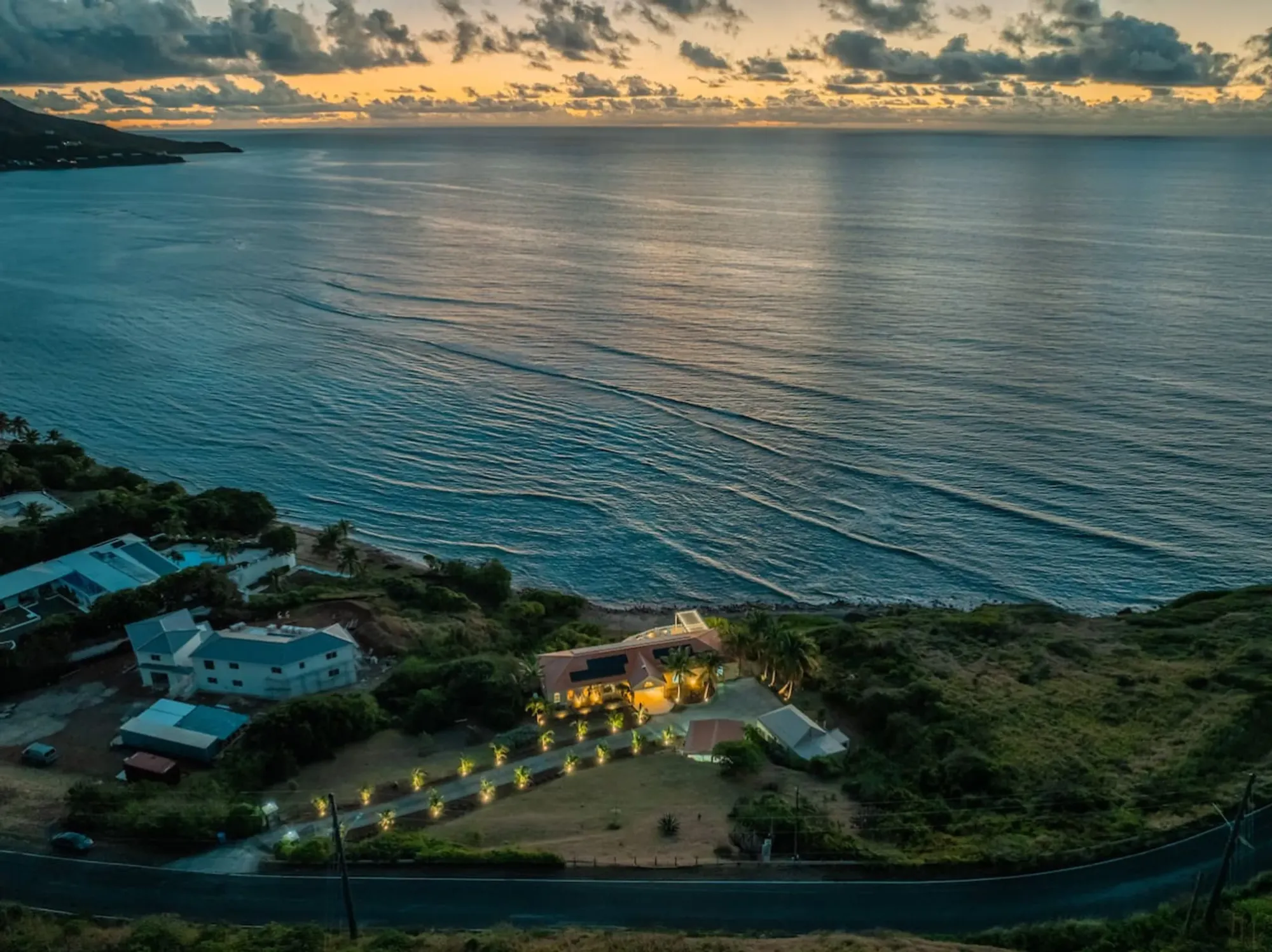
The Cerulean House Beach offers a serene and private snorkeling experience right from your doorstep. Located along a quiet stretch of St. Croix's coastline, this exclusive access beach features calm, clear waters perfect for spotting tropical fish, colorful coral formations, and the occasional sea turtle gliding through the reef. Guests of The Cerulean enjoy direct access to a well-preserved reef system, ideal for snorkelers looking to explore at their own pace. Non-existent boat traffic ensures a safe and tranquil underwater adventure just steps from your luxury rental.
This is the one on the list you don't have to drive to. The reef sitting just off the villa's beach does two jobs at once: it knocks the punch out of the swell, so the water stays calm and swimmable, and it gives the fish somewhere to live. The single most common thing guests tell us is to bring water shoes for the rocky entry — do that, and the reef is yours for as long as you want it, with nobody else on it.
Understanding St. Croix's reefs
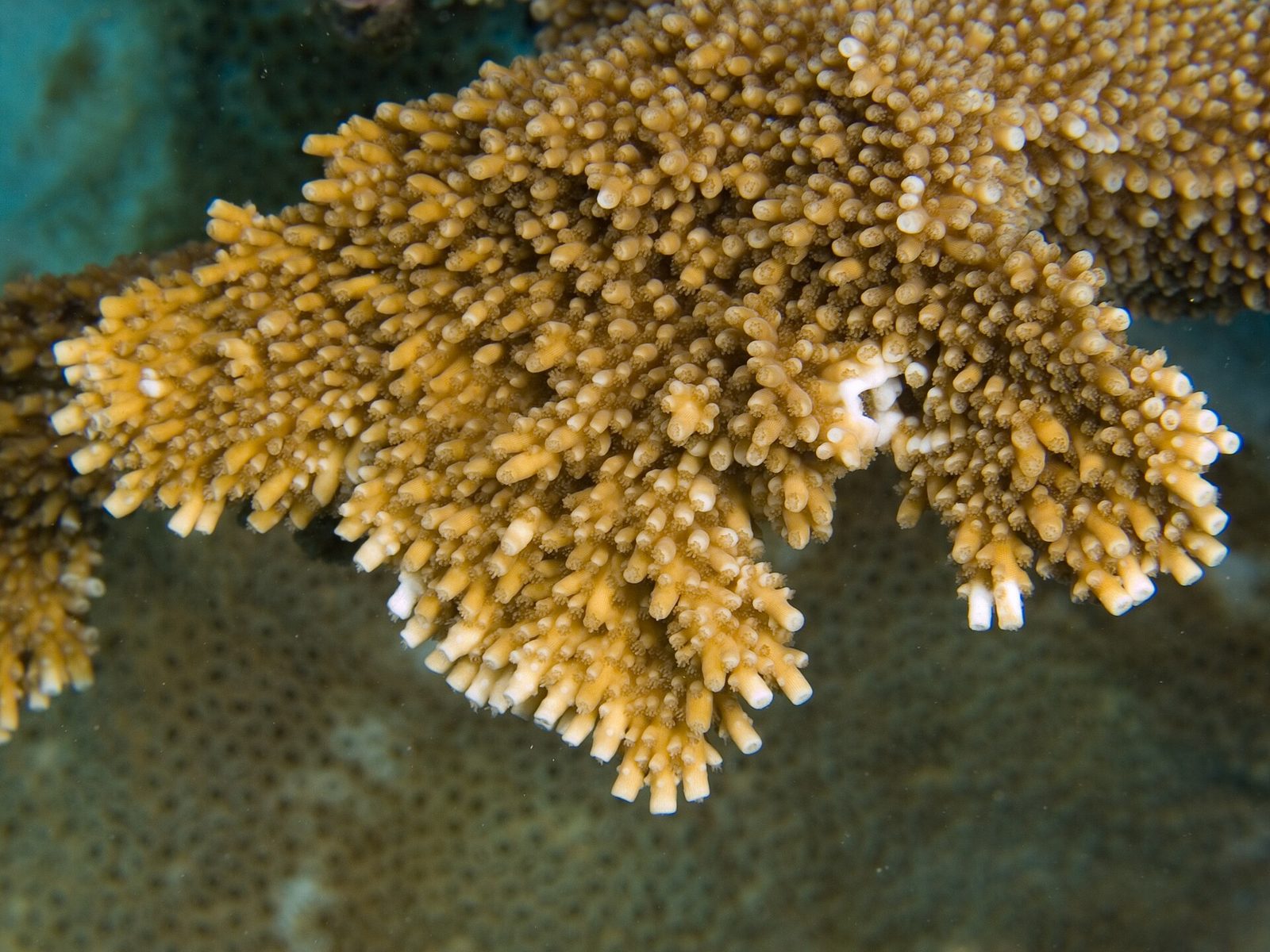
St. Croix sits at the northeastern edge of the Caribbean, and it's ringed by more reef than any of the other U.S. Virgin Islands. Three broad reef types show up in the sites above, and knowing the difference helps you pick where to go. Barrier and fringing reefs — like Buck Island and the reef off the East End — run parallel to shore and take the brunt of the swell, which is exactly why the water behind them stays calm. Wall dives like Cane Bay happen where the shallow shelf ends abruptly and drops into deep blue; snorkelers stay up top, but you can float right to the edge and look down into the void. And artificial reefs — the Frederiksted pier pilings, and the sunken ships off Butler Bay — are structures the sea has colonized, often more colorful up close than the natural reef because of the sponges and soft coral that coat them.
St. Croix's healthiest reefs are its protected ones, and where they're protected, they thrive. Buck Island above all, looked after by the Park Service, is full of elkhorn coral, fish, and turtles, and the well-preserved reef off the villa's beach is yours to explore most mornings. Treat every reef gently, wear a rash guard or a reef-safe sunscreen, and you help keep them that way.
Seeing sea turtles
For a lot of guests the turtles are the highlight, and St. Croix is one of the better places in the Caribbean to see them. Three species use these waters: green turtles, which graze the seagrass beds and are the ones you're most likely to snorkel alongside; hawksbills, smaller and sharp-beaked, which pick around the coral; and the enormous leatherbacks, which don't hang on the reef but come ashore to nest at Sandy Point in spring and early summer. The seagrass flats near Salt River and around the East End bays are prime green-turtle territory. If you find one feeding, hang back, stay quiet, and let it surface on its own terms — they're wild animals and federally protected, so no chasing, touching, or riding, ever.
Building a snorkel week
You don't need to force all of this into a couple of outings. A relaxed week might look like: easy reef sessions off the villa beach most mornings before the wind comes up; one dedicated Buck Island boat trip mid-week; an afternoon at Cane Bay paired with lunch at a beach bar; and one sunset-timed visit to the Frederiksted pier, ideally the night snorkel if anyone in the group is up for it. That rhythm gives you the island's full range — protected shallows, a wall, a healthy barrier reef, and an artificial reef — without ever feeling like a checklist.
How to snorkel St. Croix well
A few things make the difference between a frustrating snorkel and a great one here:
- Go in the morning. The wind on St. Croix almost always builds through the day. Early water is calmer and clearer.
- Read the wind. When the trade winds are up on the north shore, head to a protected south- or west-facing spot instead, and vice versa. There's almost always a calm coast somewhere on the island.
- Wear water shoes. Most shore entries here cross rock or rubble before they open up. Shoes save your feet and your snorkel.
- Use reef-safe sunscreen, or better, a rash guard. The chemicals in ordinary sunscreen damage coral, and several are banned in the territory.
- Never touch or stand on coral. It's alive, it's slow-growing, and a single kick can undo decades. Float; don't stand.
- Snorkel with a buddy and keep an eye on where the current is taking you, especially near drop-offs and piers.
A few more spots worth knowing
The sites above are the classics, but a few others reward the effort once you've found your feet. Out on the East End, the beaches inside the Jack and Isaac Bay preserve — reachable only on foot from near Point Udall — have clear, protected shallows and turtle grass, and because you have to walk in, you often get them to yourself. The Shoys, a calm crescent near the East End, is a gentle, family-friendly swim with reef at its edges. And for the adventurous, the sunken ships off Butler Bay on the northwest coast draw divers, though most of that is beyond snorkel depth. The point is that St. Croix keeps rewarding curiosity — there's almost always another quiet cove around the next headland.
Snorkeling FAQ
Do I need to bring my own gear?
Masks and basic beach gear are at the villa, and dive shops around the island rent full sets. The one thing worth owning is a well-fitting mask — a leaky rental mask ruins a snorkel faster than anything — and your own water shoes.
Is the snorkeling good for beginners and kids?
Very. The reef-protected shallows off the villa beach, The Shoys, and Protestant Cay are calm and forgiving. Start there before working up to Cane Bay or a Buck Island trip. Flotation vests make nervous swimmers comfortable and are widely available.
When is the water clearest?
Calm, low-wind mornings, and generally the drier winter-to-spring months. Rain and runoff can cloud the water near river mouths and estuaries like Salt River for a day or two after a downpour.
Are there dangerous animals?
Nothing to lose sleep over. You may see small reef sharks (harmless and shy), barracuda (curious, not aggressive), and jellyfish or fire coral you simply shouldn't touch. Long-spined sea urchins in the rocks are the most common cause of minor injuries — another reason for water shoes.
Can I snorkel right off the villa every day?
Yes — that's the whole appeal. The reef out front is swimmable on most days, so you can get in the water before breakfast without planning anything. Save the drives and boat trips for when you want variety.
What you'll see
St. Croix's reefs are still genuinely rich. Over a few outings you can reasonably expect green sea turtles grazing seagrass, parrotfish crunching coral, sergeant majors and blue tang in clouds, trumpetfish hanging vertically, the occasional southern stingray shuffling along a sandy patch, and — if you're lucky and quiet — a spotted eagle ray cruising past in open water. The elkhorn and brain coral at Buck Island and the sponge-covered pilings at Frederiksted are the two sights people remember most.
You don't need to chase all of these in one trip. Half the pleasure of a villa on the reef is that you can snorkel a little every day — an hour off the beach before breakfast, a proper outing to Cane Bay or Buck Island when the mood strikes — and let the island's underwater life reveal itself slowly.
Protecting what you came to see
It's worth ending on this, because St. Croix's reefs are wonderful, and the healthy ones you'll swim here are thriving in part because people protect them, from the Park Service at Buck Island to every visitor who follows a few simple habits. You can be one of those people without any effort or expense. Wear a rash guard or a mineral, reef-safe sunscreen instead of the chemical kind. Perfect your buoyancy so your fins never touch the bottom, and never stand on or grab the coral. Keep a respectful distance from turtles and rays and let them set the terms. Take nothing living — no shells with animals in them, no coral, no sea fans — and take your trash back out. Choose tour operators who moor rather than anchor on the reef and who brief their guests on all of the above. None of this diminishes the experience; it's what keeps the experience possible for the next person, and for the reef itself.
Plan your own week.
Check the villa's calendar and hold your dates.