


Discovering St. Croix
A Visitor's Guide to the Culturally Rich Largest Island of the USVI
When people think of a Caribbean getaway, images of quiet sandy beaches and swaying palm trees instantly come to mind. While St. Croix certainly has those in abundance, the largest of the U.S. Virgin Islands offers something much deeper: a vibrant blend of storied history, thrilling eco-adventures, dynamic local art, and a laid-back rhythm all its own.
Whether you're a history buff, a thrill-seeker, or someone looking to unplug and soak in the endless horizon, St. Croix has a way of captivating your soul. To aid your stay, we've put together the ultimate guide on what to do when you touch down on this Caribbean gem.
Where St. Croix sits, and why it feels different
St. Croix is the largest of the U.S. Virgin Islands and, unlike its sisters, it sits on its own to the south, separated from St. Thomas and St. John by about forty miles of open Caribbean. That separation is part of its character: it never became a cruise-and-shopping island the way St. Thomas did, so it kept its farms, its forest, its history, and its unhurried pace. At roughly 28 miles long and up to 7 wide, it's big enough to hold genuinely different worlds — a rainforest on one end, a dry sun-baked point on the other, two historic towns, and miles of reef in between — yet small enough to cross in under an hour. For visitors that combination is the whole appeal: real variety and real culture, without the crowds. It's the Caribbean island that still feels like a place people live rather than a place built for tourists to pass through.
Snorkeling, Diving, and Kayaking
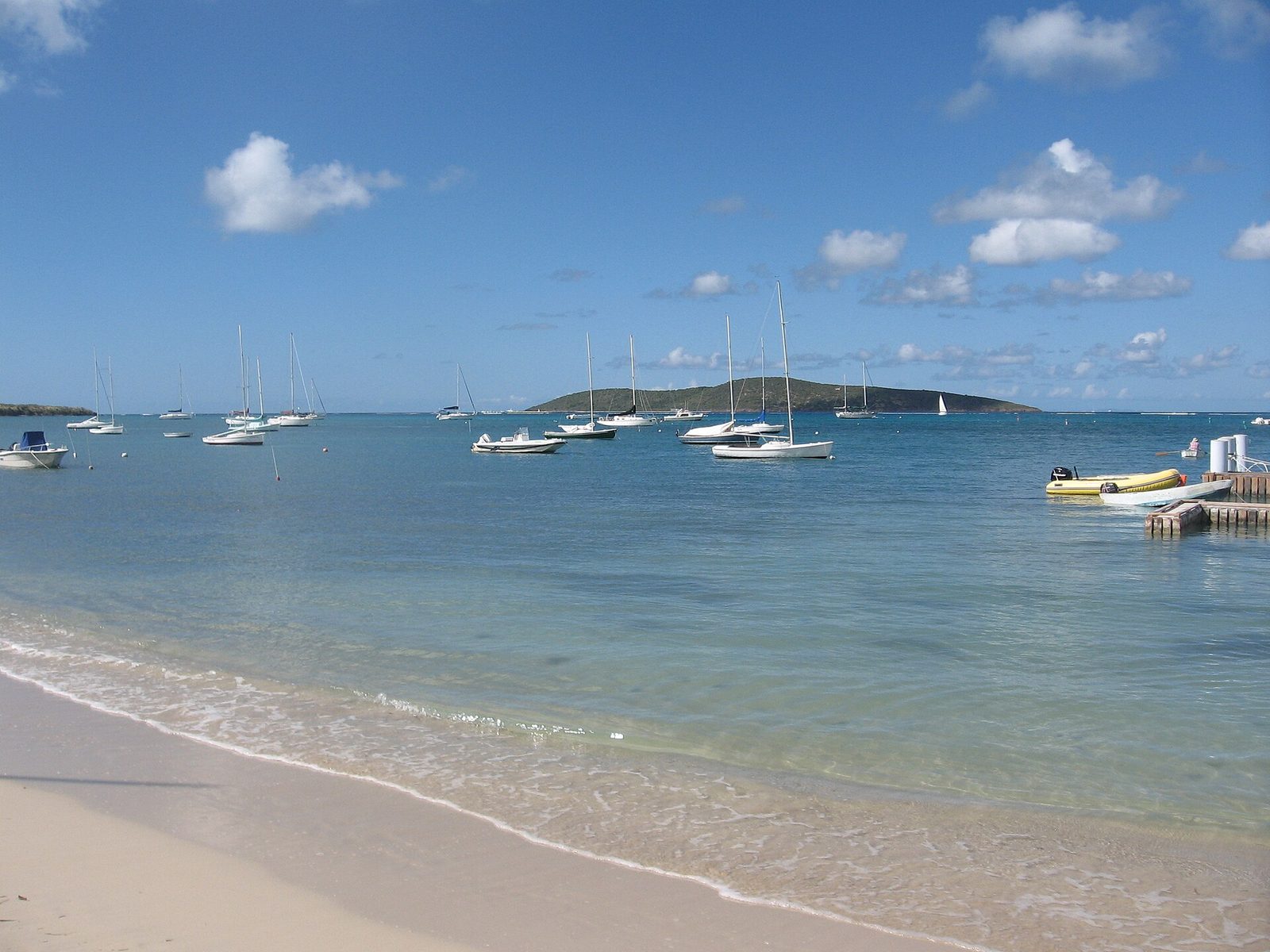
Surrounded by pristine coral reefs and the dramatic drop-offs of the Caribbean Sea, St. Croix gives water lovers a lot to choose from: a protected reef trail, a wall dive, and a bay that glows at night.
- The Legendary Buck Island: No trip to St. Croix is complete without a day trip to Buck Island Reef National Monument. As one of only three underwater national monuments in the United States, its vibrant elkhorn coral barrier reef is teeming with marine life. Operators like Big Beard's Adventure Tours and Caribbean Sea Adventures offer classic boat tours, sailing, and guided snorkeling excursions that take you right to the island's underwater trail.
- Scuba Diving the Wall: For certified divers (or those looking to learn), St. Croix is world-renowned. The island features incredible reef and wall dives. Dive shops like St. Croix Ultimate Bluewater Adventures (SCUBA) and Blue Salt Divers offer small-group dives that explore everything from shallow coral gardens to the vertical drop of the Cane Bay Wall.
- Paddle Through a Bioluminescent Bay: For a truly magical nighttime experience, head out on a guided kayak tour with outfitters like Virgin Kayak Tours or BushTribe Eco Adventures. St. Croix is home to Salt River Bay, a rare ecosystem where microscopic organisms glow in the dark when disturbed, leaving a trail of neon blue light in the wake of your paddle.
Unleash Your Inner Adventurer on Land
If you prefer to keep your feet on solid ground (or slightly above it), St. Croix's diverse landscape—ranging from the temperate East End to a western interior rainforest—offers plenty of adrenaline-pumping land activities.
- Fly Through the Rainforest Canopy: Head over to the island's lush interior and experience the thrill of the Carambola Zip Line. You'll soar high above the rainforest trees, catching panoramic views of the hills and the sea beyond.
- Explore Off-the-Beaten-Path on an ATV: If you don't mind getting a little dirty, Gecko Island's Adventures offers guided ATV tours that take you up into the subtropical ridges and historical ruins that rental cars simply can't reach.
- Ride Horseback on the Beach: Connect with nature and support a great cause by booking a trail and beach ride with Cruzan Cowgirls. These tours feature rescued horses and take you along the historic West End beaches, where you even get the chance to swim with the horses in the turquoise water.
- Meet the Beer-Drinking Pigs: For a quirky island tradition, drive deep into the rainforest to the Mt. Pellier Hut Domino Club. Here, you can purchase a non-alcoholic beer to feed to the incredibly friendly pigs who can crack open a can with ease.
Local Culture, Art, and Shopping
St. Croix's culture has been shaped by its history under seven different flags. This heritage comes alive in its two main towns: Christiansted (on the Eastern End) and Frederiksted (on the West End).
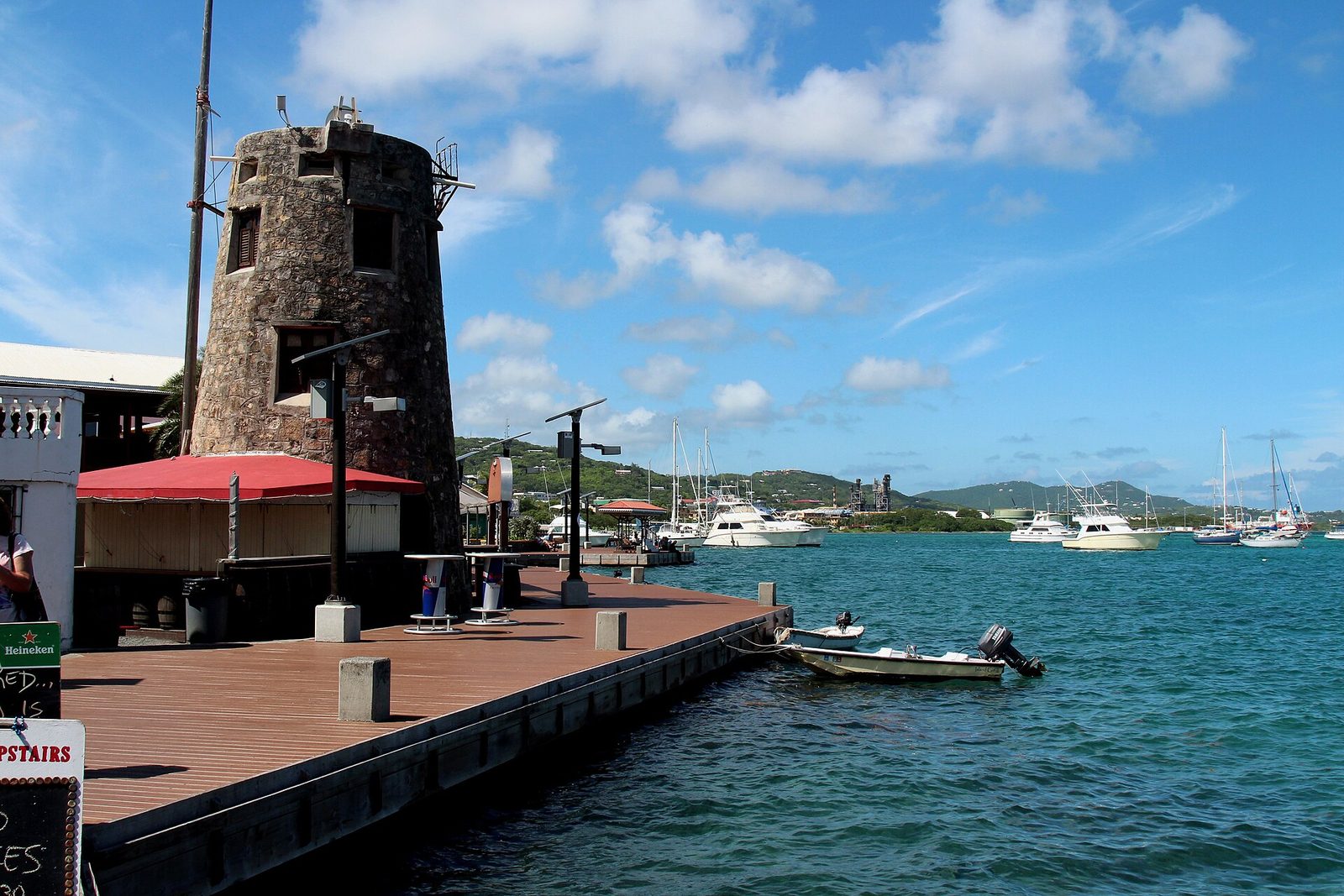
- Stroll the Christiansted Boardwalk: The historic harbor front is the perfect place to spend an afternoon. Just blocks from the water, you'll find charming boutiques tucked into historic Danish buildings. Be sure to check out local staples like From the Gecko for eco-chic clothing, Purple Papaya for souvenirs, and Crucian Gold for iconic, locally handcrafted island jewelry.
- Experience the West End Art Scene: Frederiksted has a distinctly artsy, historic vibe. A great focal point is the Caribbean Museum Center for the Arts (CMCArts), which showcases a rotating collection of local and regional fine arts right on the waterfront. If you're looking for glassworks or vibrant local paintings, art galleries like Mitchell Larsen Studio and Cane Roots Art Gallery in Christiansted are also absolute must-visits. (The Cerulean St Croix is proud to provide a permanent home to artwork from many Crucian artists.)
- Catch the Weekly Crab Races: Looking for a classic Crucian family-fun tradition? Catch the legendary weekly crab races hosted by Tito and Sue on the Christiansted Boardwalk. It's a high-energy, hilarious event where locals and visitors alike cheer on hermit crabs racing for the finish line.
Step Back in Time
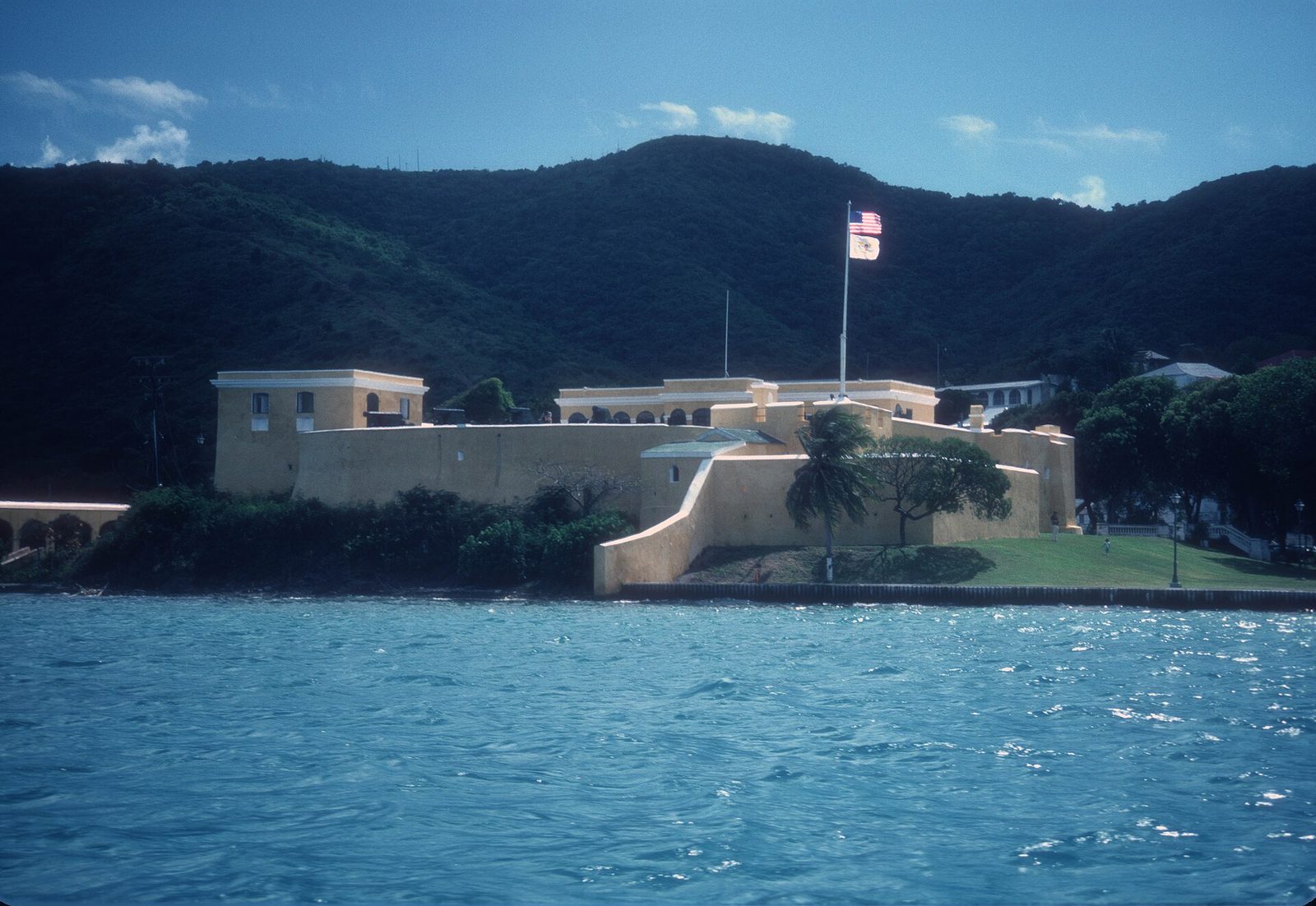
History is woven into the very fabric of St. Croix. Take a day to wander through Fort Christiansvaern in Christiansted, a remarkably well-preserved 18th-century Danish fort painted a striking bright yellow. On the opposite side of the island, Fort Frederik stands guard over the Frederiksted pier, serving as a powerful monument to freedom—it was the historic site where Governor Peter von Scholten officially abolished slavery in the Danish West Indies in 1848.
That "seven flags" history is worth pausing on, because it explains almost everything you'll see. Spain, the Netherlands, England, France, the Knights of Malta, Denmark, and finally the United States have all claimed St. Croix. The Danes held it the longest and left the deepest mark — the street names, the town layouts, the sugar-mill ruins dotting the hills, and the forts. The United States bought the Virgin Islands from Denmark in 1917, which is why this Caribbean island is American soil today, and why the 1848 emancipation at Fort Frederik — decades before the American Civil War — is remembered here as a defining moment of Crucian pride.
There's a well-known American footnote to that history, too: Alexander Hamilton spent much of his boyhood in Christiansted, working as a clerk on the wharf before he ever set foot in New York. The counting-house skills he learned on that harbor front helped launch him toward the mainland and the founding of the country. You can still walk the streets he worked, which gives a stroll through Christiansted an unexpected resonance if you know the story.
The beaches, briefly
Beyond the snorkeling and the adventure, St. Croix simply has a lot of good sand, and the island's shape means there's almost always a calm, sheltered beach somewhere regardless of the wind. Out east, the quiet reef-protected coves of the East End sit near the villa. West of Frederiksted, Rainbow Beach and the long white expanse near the town are the classic sunset beaches. Sandy Point, protected as a wildlife refuge, is the widest and wildest, open to the public only on limited days. And Cane Bay on the north shore doubles as a beach and a snorkel-and-dive site, home to the Cane Bay Wall. A rental car and a loose plan will find you a different beach every day of a week.
Getting to St. Croix, and getting around
The practical news is good: St. Croix is easier to reach than most Caribbean islands. Because the U.S. Virgin Islands are a U.S. territory, American travelers don't need a passport, the currency is the U.S. dollar, and your phone works as it does at home. You fly into Henry E. Rohlsen Airport (STX) on the south side of the island, either direct from a handful of mainland cities or with a quick connection through San Juan.
Once you land, rent a car — the island is too spread out to see well without one, and the best beaches and trailheads aren't on any bus route. The one thing that surprises every first-timer: on St. Croix, you drive on the left, a leftover of the island's Danish and British past, even though the cars are American left-hand-drive. Take the first few miles slowly and it becomes second nature.
When to come, and how the island is laid out
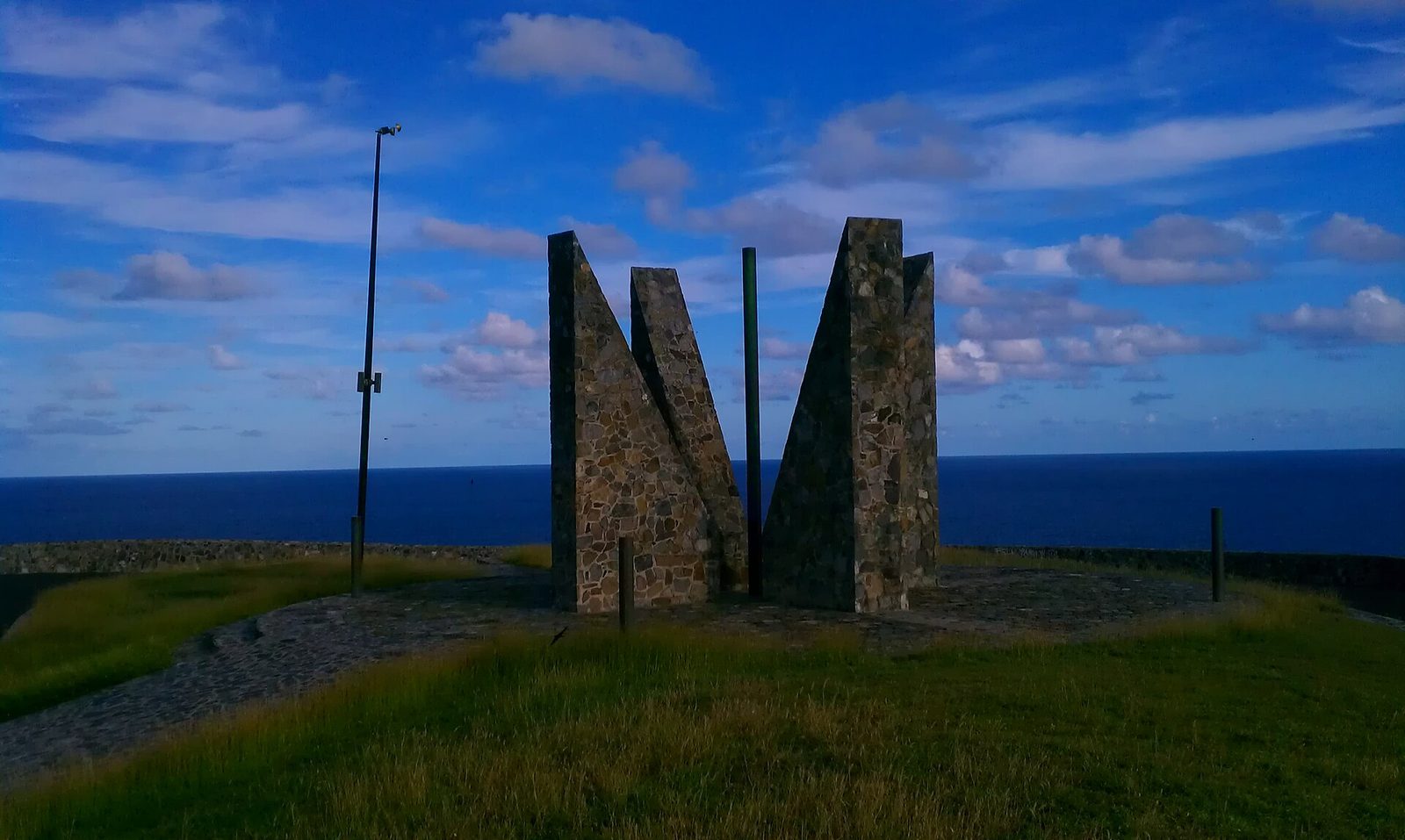
The classic season runs December through April, when the weather is driest and the trade winds keep the days warm and clear; it's also the busiest and priciest stretch. Late summer and fall are quieter and greener, with warm seas and the occasional passing shower. Geographically, think of St. Croix in two halves: the lush, hilly, rainforested west around Frederiksted, and the drier, breezier East End — the quiet, exclusive end of the island, and the easternmost point in the United States.
How St. Croix differs from St. Thomas and St. John
People often lump the three U.S. Virgin Islands together, but they're quite different, and the difference matters when you choose where to stay. St. Thomas is the busy, built-up one — the cruise-ship hub, with the airport most people fly through and the duty-free shopping. St. John is the small, green one, most of it protected as a national park, beautiful but with limited lodging and no airport of its own. St. Croix is the largest, the quietest, and the most spread-out — a real place with working towns, farmland, rainforest, and history, rather than a resort strip. It gets a fraction of the cruise traffic of St. Thomas, which is precisely why it feels uncrowded. If your idea of a Caribbean trip is a private, unhurried island with room to breathe, St. Croix is the one of the three that delivers it.
Common questions about visiting St. Croix
Do U.S. citizens need a passport?
No. The U.S. Virgin Islands are a U.S. territory, so American travelers don't need a passport — a standard government ID works, just as it does for a domestic flight.
Is St. Croix safe for visitors?
Yes, with the ordinary common sense you'd use anywhere: lock the car, don't leave valuables on the beach, and stick to well-known areas at night. The East End, where the villa sits, is quiet and residential.
When is the best time to visit?
December through April for the driest, breeziest weather and the fullest events calendar; late spring and summer for warmer seas, fewer people, and better rates, with a higher chance of a passing shower.
How many days should I plan?
A week is the sweet spot — enough for the Buck Island trip, both towns, an adventure or two, and real downtime by the pool without feeling rushed. Even a long weekend works, but you'll wish you had longer.
Do I really have to rent a car?
Effectively, yes. The island is spread out, the best beaches and trailheads aren't on transit lines, and having your own car is how you reach dinner in town and a quiet cove the same day. Just remember to keep left.
A few practical notes for planning
- Money: The U.S. dollar is the currency. Cards are widely accepted in towns and at restaurants, but carry some cash for markets, roadside stands, taxis, and beach bars.
- Connectivity: Your U.S. phone plan works here as a domestic line — no roaming — though signal thins out in the rainforest and on the remote coasts. Villa Wi‑Fi covers the rest.
- What to pack: Reef-safe sunscreen (ordinary sunscreen harms the coral and some types are restricted), water shoes for the rocky snorkel entries, a light layer for breezy evenings on the East End, and insect repellent for dusk.
- Driving: Left side of the road, American cars, narrow and sometimes rough roads, roaming animals after dark — drive slowly and you'll be fine. A vehicle with a little ground clearance helps for the more remote trailheads.
- Pace: The island runs on "Crucian time." Things open late, close early, and unfold gently. Lean into it; the relaxation is the point.
The island's rhythm
More than any single attraction, what people remember about St. Croix is the pace. This is not an island built for the cruise-ship rush; it's a place where the day is organized around the light and the heat, where "Crucian time" is a real and slightly slower thing, and where a genuine local culture goes on around you rather than being staged for visitors. You'll hear the island's Crucian dialect, catch the sound of a steel pan drifting from a bar, get waved at from a passing car, and find that the person selling you fruit has opinions about how you should cook it. Festivals — from the Ag Fair to the Christmas Festival's parades — are for the community first and the tourist second, which is exactly what makes them worth catching. Lean into all of it. The visitors who love St. Croix most are the ones who stop trying to pack it full and let the island set the tempo.
A sample first trip
If it's your first time and you want a frame, a classic week runs something like this: land and settle in with a beach day and a sunset; take the Buck Island boat trip early in the week while you're fresh; spend a day in Christiansted for the fort, the boardwalk, the galleries, and Hamilton's old streets; give the west end its own day for Frederiksted, the pier, and a west-coast sunset; work in an adventure — a rainforest zip-line, a horseback beach ride, or the Annaly Bay hike — for the thrill-seekers; and leave at least a couple of days completely unplanned, for the pool, the reef out front, and doing gloriously little. That balance of doing and not-doing is what people mean when they say St. Croix got under their skin.
Your Base on the East End
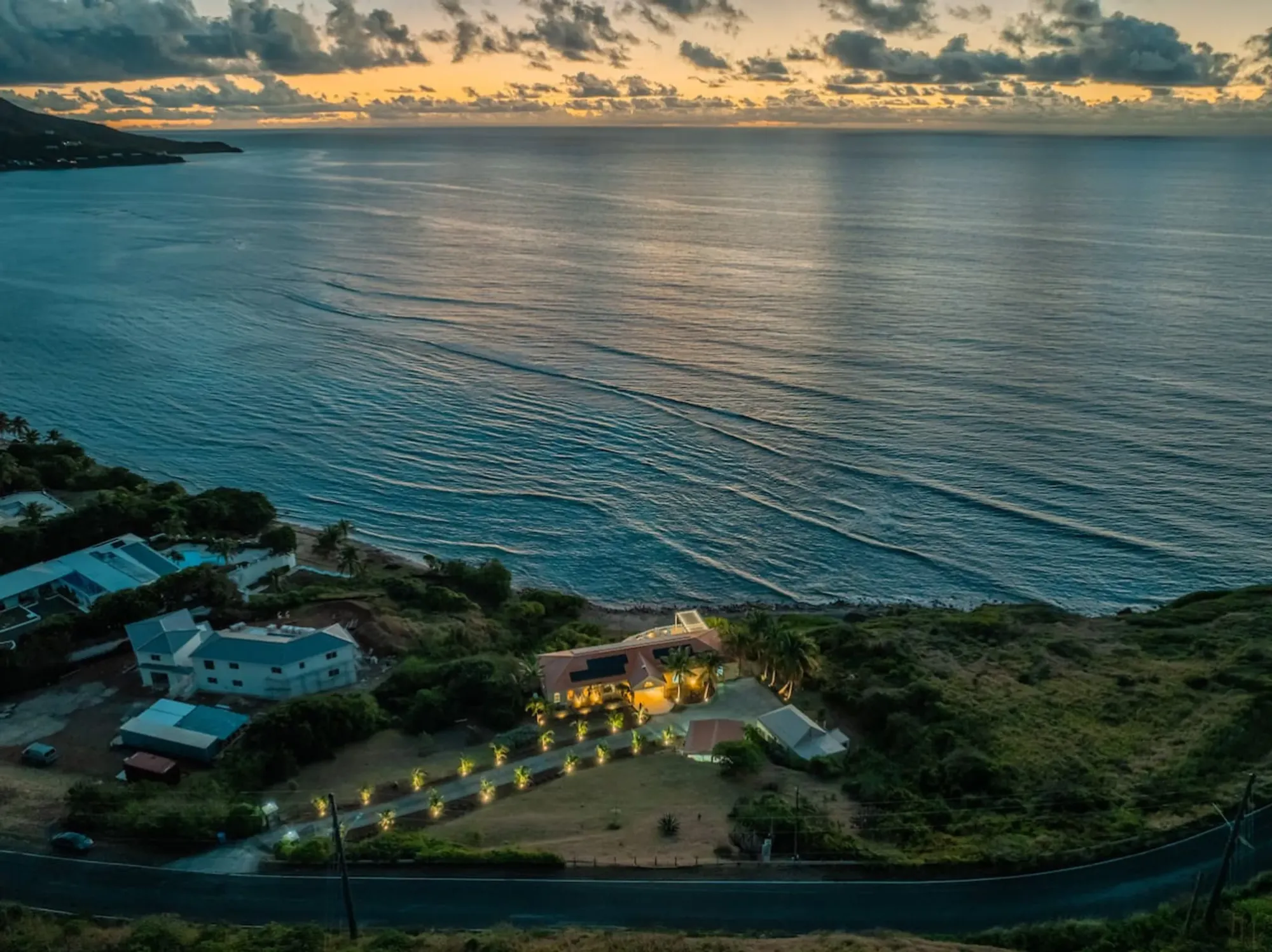
To truly appreciate the rhythmic charm of St. Croix, you need the perfect basecamp. For a private, luxury experience, The Cerulean St. Croix offers a secluded beachfront sanctuary on the island's exclusive East End. Imagine waking up to endless ocean views, lounging by a private oceanfront pool, and snorkeling a coral reef right steps from your back door. And once you venture out, St. Croix's genuine hospitality and distinct culture, along with its reefs, beaches, and rainforest, promise an island escape you won't soon forget — the kind of place you start planning your return to before you've even left.
Plan your own week.
Check the villa's calendar and hold your dates.