

Buck Island, St. Croix: A Must Visit
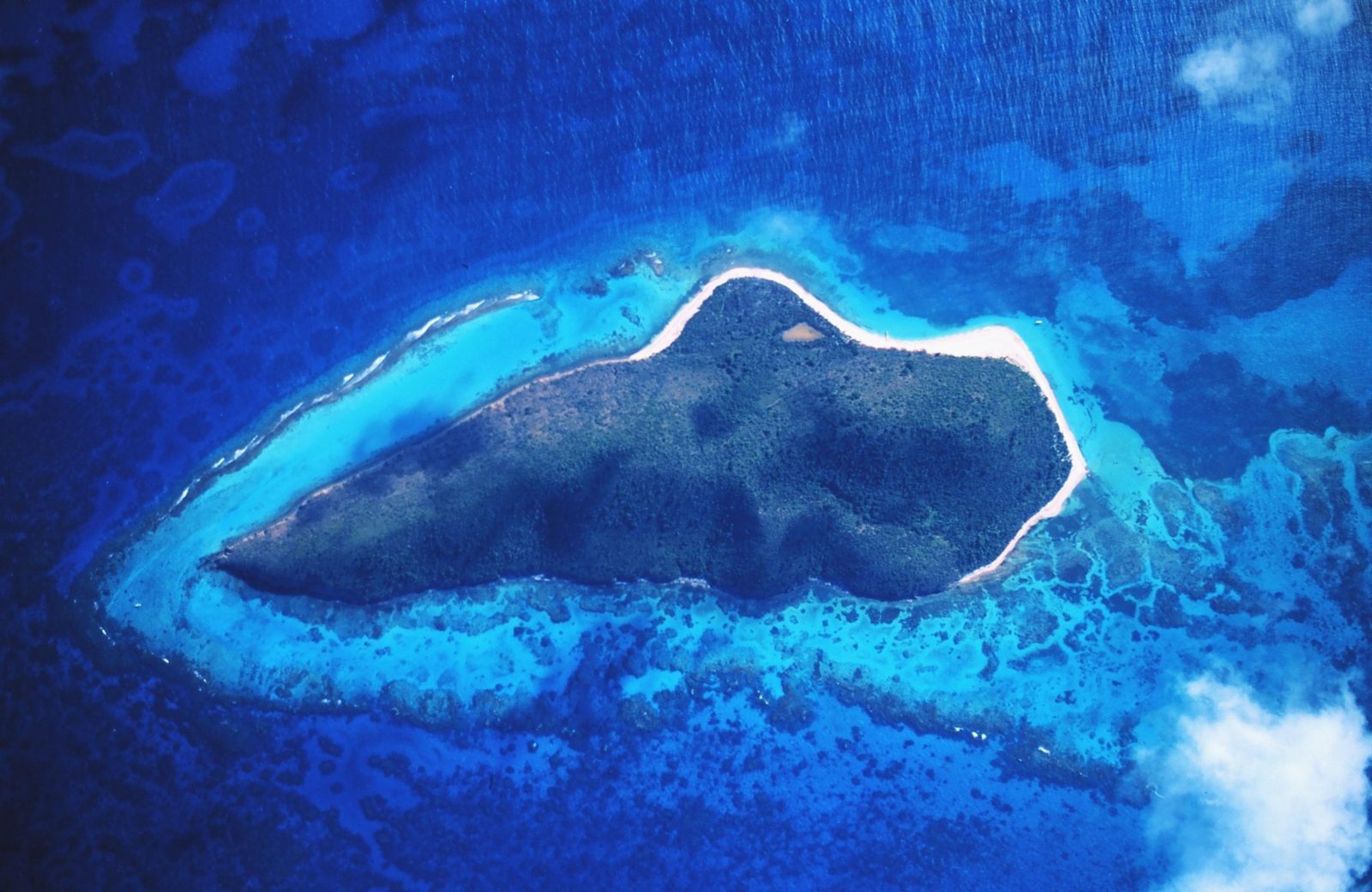
Imagine stepping onto a secluded island where powdery white sand meets turquoise waters, vibrant coral reefs thrive beneath the surface, and nature remains largely untouched. Welcome to Buck Island, a 176-acre national monument located just 1.5 miles northeast of St. Croix in the U.S. Virgin Islands. The protected reef is known for its ecology, its clear water, and one of the best-known underwater snorkel trails in the Caribbean. Whether you're an experienced snorkeler or a curious first-time visitor, Buck Island offers a rare opportunity to explore a thriving marine ecosystem up close.
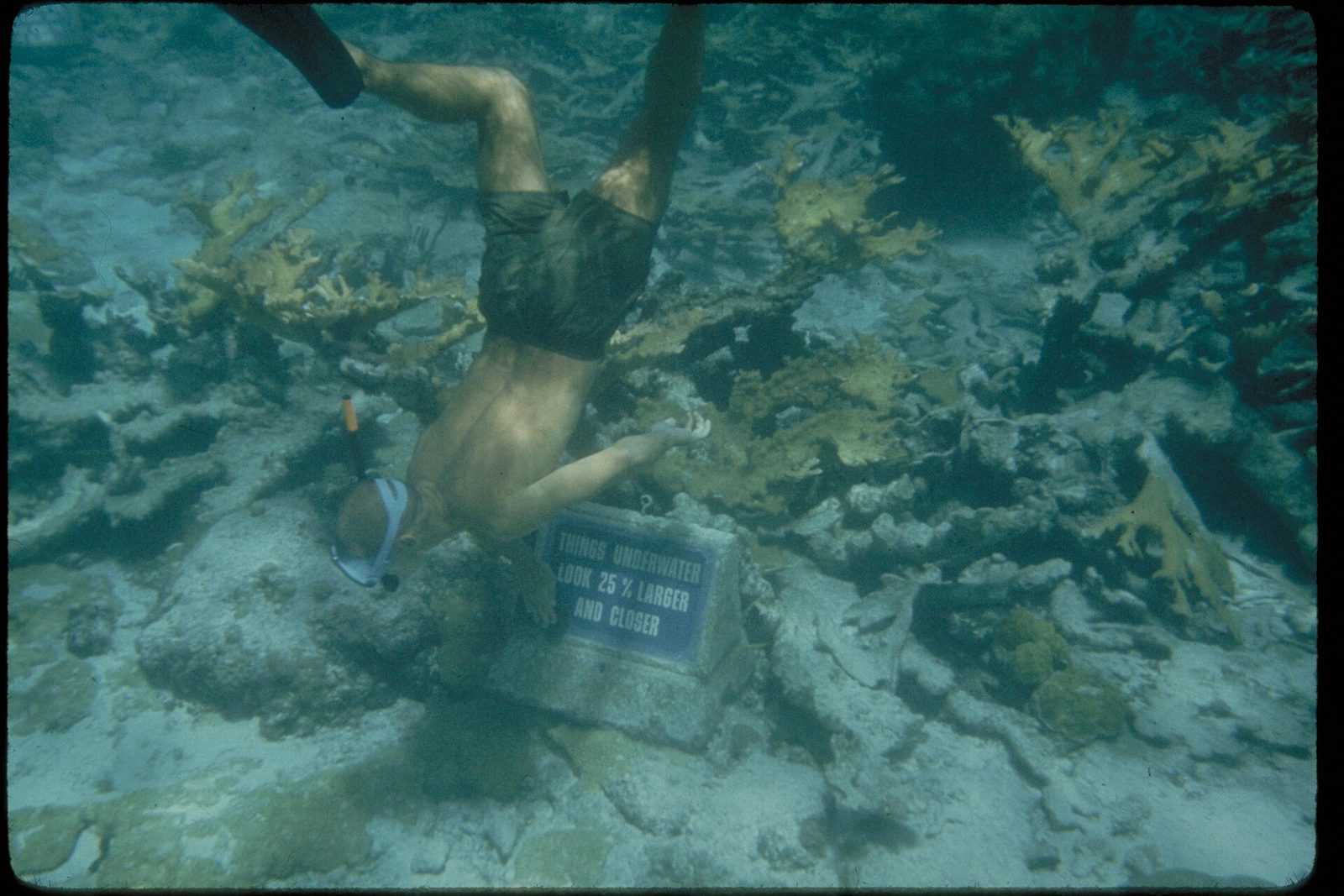
Part of what makes Buck Island a must-visit is its famed Underwater Trail, a self-guided snorkeling path that winds through a living coral garden teeming with tropical fish, sea turtles, and elkhorn coral formations. The island also has a scenic hiking loop across its dry forest terrain, offering panoramic views and a chance to spot rare birds and native plants.
Because it's a federally protected area, access is limited—helping preserve its beauty and ensure a more intimate experience. Daily visitor caps mean crowds are rare, and eco-conscious travelers appreciate the emphasis on sustainability and conservation.
In this guide, you'll learn how to plan your visit, what to pack for a day trip, and how to make the most of both land and sea adventures on this iconic St. Croix destination.
How it became protected
Buck Island isn't a resort island or a private cay — it's a national monument, and it has been one for a long time. President Kennedy first set it aside in 1961 to protect the reef, and in 2001 the monument was expanded to take in a much larger ring of surrounding water. Today it is managed by the National Park Service out of St. Croix, which is why it stays as quiet and healthy as it does. There are no hotels, no bars, and no permanent residents on the island; the only structures are a couple of small facilities for rangers and the boats that are allowed to land.
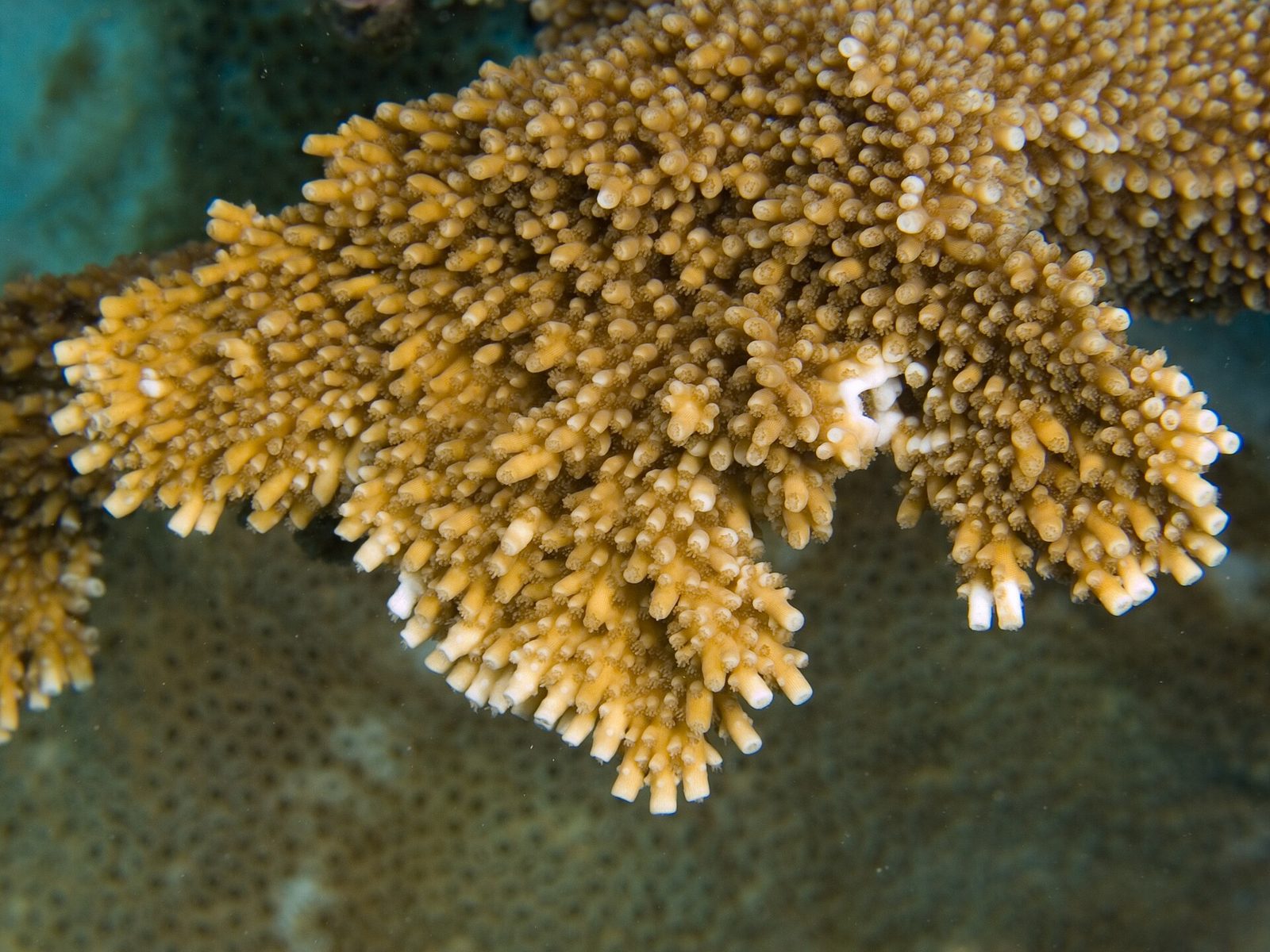
That protection is the whole reason the snorkeling is as good as it is. The reef on the eastern side of the island is one of the few marine areas the Park Service protects as carefully as it protects a historic fort or a canyon on the mainland. Elkhorn coral — the branching, antler-shaped coral that has disappeared from a lot of the Caribbean — still forms a genuine barrier here, and the fish that depend on it are still around in numbers you don't see everywhere anymore.
How to Snorkel the Underwater Trail at Buck Island Like a Pro
Exploring the submerged snorkel trail at Buck Island Reef National Monument offers an unforgettable glimpse into St. Croix's vibrant marine ecosystem. To make the most of your adventure, follow this step-by-step guide tailored for all skill levels.
1. Prepare the Right Gear. Bring a well-fitting mask, snorkel, and fins. A lightweight rash guard or wetsuit top protects against sun and coral scrapes. Waterproof sunscreen is a must, but choose reef-safe formulas to protect delicate coral.
2. Start at the Trail Marker. Enter the water near the eastern shore of Buck Island, where buoys mark the beginning of the underwater trail. Follow the submerged signs that guide you along a 0.5-mile loop through diverse habitats, including seagrass beds, elkhorn coral thickets, and sandy channels.
3. Observe Marine Life Responsibly. Keep a safe distance from sea turtles, reef sharks, and eagle rays. Look for colorful angelfish, parrotfish, and sergeant majors darting through coral canopies. Don't touch or stand on coral—these living organisms are fragile and easily damaged.
4. Pace Yourself and Conserve Energy. At a beautifully visible 12-foot average depth, you have plenty of time to just dangle and float without worrying about damaging the coral.
5. Time Your Visit Right. Go early in the morning when currents are calmer and sunlight enhances underwater visibility. Offshore winds from the east can make conditions rougher, so check conditions before departure.
With these steps, you'll experience the magic of Buck Island's underwater world safely and sustainably.
A Treasure Worth Protecting: Inside Buck Island's Fragile Ecosystem
Just off the northeastern shore of St. Croix, Buck Island Reef National Monument isn't just a postcard-perfect destination—it's a thriving, delicately balanced ecosystem under careful stewardship. Home to one of the Caribbean's most pristine elkhorn coral barrier reefs, this protected island sanctuary supports a rich web of marine and terrestrial life, from endangered leatherback turtles to rare brown pelicans and vibrant reef fish. The underwater trail near the north shore offers snorkelers a front-row seat to this biodiversity, but with that access comes responsibility.
Buck Island has been federally protected since 1969, preserving its coral reefs, seagrass beds, and dry coastal forests. As a National Monument managed by the National Park Service, it enforces strict rules: no anchoring on reefs, no touching marine life, and regulated visitor numbers to reduce ecological impact. Conservation efforts include active coral propagation programs, invasive species removal, and monitoring of nesting sea turtles during seasonal migrations.
Travelers can support preservation by:
- Choosing reef-safe sunscreen
- Staying on marked snorkel trails
- Avoiding contact with coral or wildlife
Understanding the fragility of this environment transforms a simple island visit into an opportunity to participate in stewardship. Every responsible choice helps maintain Buck Island's status as a living laboratory and a shining example of Caribbean conservation done right.
The other half of the island: the beach and the hike
Most people come for the reef and forget that the island itself is worth your time. On the west end there's a wide, sheltered beach with calm, shallow water — the natural spot for lunch, for anyone in the group who would rather wade than snorkel, and for kids. Most day trips give you an hour or two of beach time on top of the snorkel.
From the beach a short trail climbs up through the island's dry tropical forest to an overlook. It's not a long walk, but it is exposed and there's no shade to speak of at the top, so bring water and a hat and go up before the midday heat. The reward is the view: the whole barrier reef laid out below you, the coral visible as a dark line under the surface, and St. Croix filling the horizon to the south. Frigatebirds and brown pelicans work the wind over the ridge, and if you're quiet you'll usually see more of the island's birdlife than you expect.
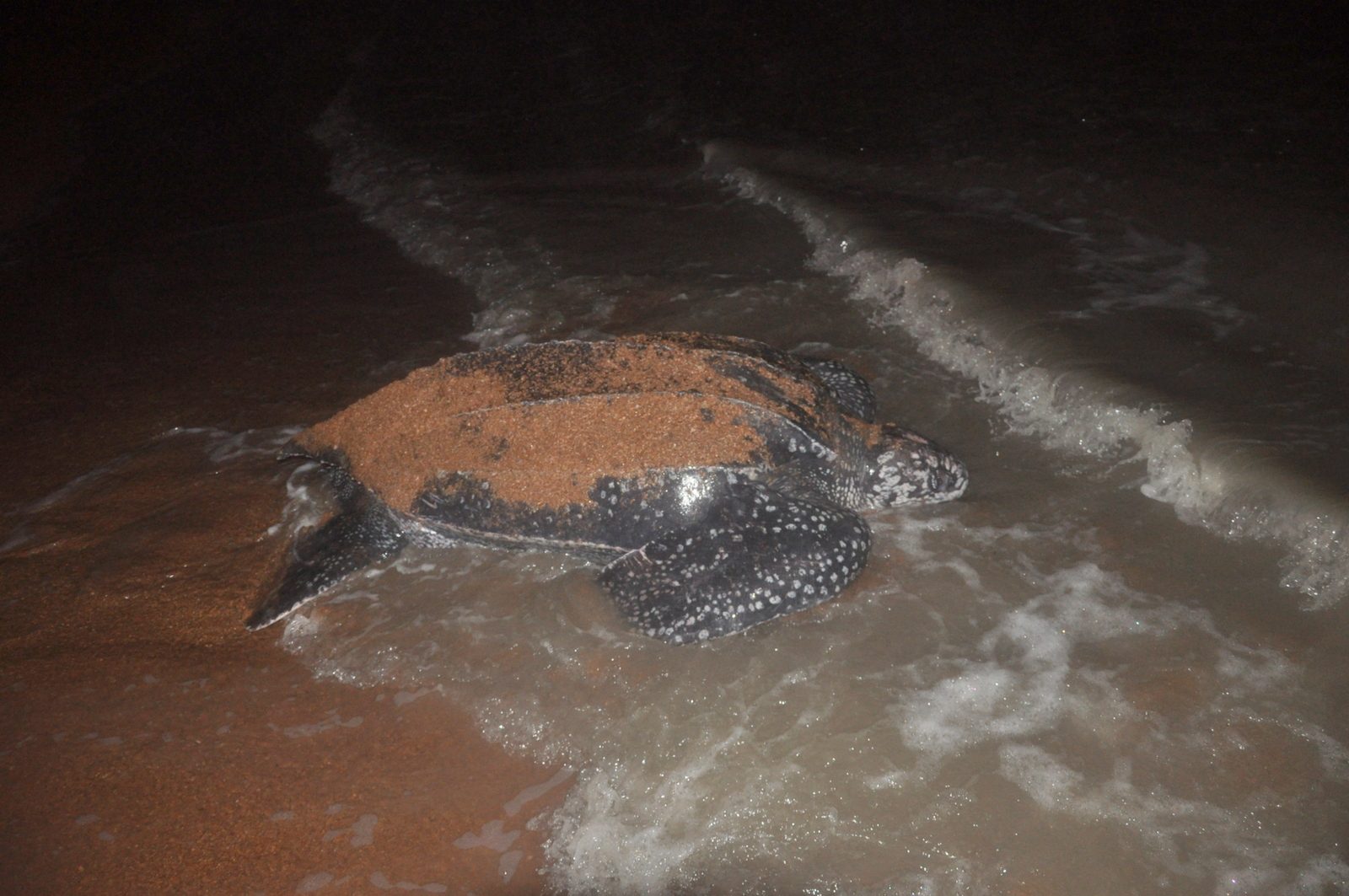
The island is also a working sea-turtle nesting ground. Hawksbill, green, and leatherback turtles all use these beaches in season, and the Park Service monitors the nests closely. If you see a marked-off area on the sand, give it a wide berth — that's the next generation.
Plan Like a Pro: 7 Must-Know Tips for Your Buck Island Adventure
Exploring Buck Island, St. Croix is a bucket-list experience, but a little preparation helps you make the most of this protected marine park. Whether you're planning a snorkeling safari or a serene beach day, these essential tips will help you navigate tours, permits, gear, and timing with confidence.
1. Book Your Eco-Tour in Advance. Authorized guided tours are the most reliable way to access Buck Island. These full-day experiences typically include snorkeling through the iconic underwater trail, island hiking, and beach time. Due to limited daily visitor quotas, securing your spot weeks ahead—especially during peak season—is crucial. See our list of St Croix adventure guides or just ask us - we can arrange anything.
2. Understand the National Wildlife Refuge Permit System. A small environmental fee grants access to the Buck Island Reef National Monument. This permit is usually included in tour packages, but self-guided boaters must arrange it separately. The fee supports conservation efforts and helps preserve coral habitats and sea turtle nesting grounds.
3. Pack Light, But Pack Right. Bring reef-safe sunscreen, polarized sunglasses, a wide-brimmed hat, and water shoes for rocky shore entries. A dry bag protects phones and cameras, while a refillable water bottle keeps you hydrated under the Caribbean sun.
4. Choose the Ideal Season: December to April. These months offer the calmest seas, clearest visibility, and lowest rainfall—perfect for underwater exploration. In late summer, just check with the tour operator on a daily basis for conditions - many days are perfect.
5. Know What's Not Allowed. To protect the ecosystem, feeding fish, touching coral, and removing natural items (like shells or sand) are strictly prohibited. Respect these rules to help sustain the island's ecological balance.
6. Bring Cash for Gratuities and Extras. While tours cover most costs, tipping your captain and guide is customary. Some local vendors near departure points may also prefer cash for snacks or souvenirs.
7. Monitor Weather and Sea Conditions Daily. Even the best plans can change with the forecast. Check conditions the night before and morning of your trip—reputable operators will reschedule rather than risk guest safety or poor visibility.
Getting there from the East End
If you're staying on the East End, Buck Island is close. Most tour boats leave from the Christiansted boardwalk or the nearby marinas, which are about fifteen minutes from The Cerulean by car. From there the crossing is short — the island sits only a mile and a half offshore — so you spend your day in the water, not getting to it.
Operators run two basic formats. A half-day trip gets you the underwater trail and some beach time and has you back by early afternoon. A full-day trip adds a longer sail, a second snorkel stop, and usually lunch on the beach. Catamarans are the comfortable, family-friendly choice; smaller powerboats get there faster and take fewer people. Tell us how your group likes to travel and we'll match you to the right boat, or hand you the two or three operators we'd send our own family out with.
Buck Island Basics: Your Top Questions Answered
Here's what you need to know to make the most of your experience.
Is Buck Island suitable for all skill levels?
Absolutely. Whether you're a seasoned snorkeler or trying it for the first time, Buck Island Reef National Monument offers zones with varying depths and currents. Calm, shallow areas near the beach are ideal for beginners.
How accessible is Buck Island for visitors with mobility concerns?
While the island itself is uninhabited and has no paved roads, the main snorkeling trails and beaches are reachable by boat. Most tour operators use shallow-draft vessels that anchor offshore, requiring a short swim or wade to shore. Advance notice helps ensure the right operator is selected for individual needs.
Are there safety risks I should prepare for?
Minimal when precautions are taken. Strong currents can occur, so always snorkel with a buddy and follow your guide's instructions. Wearing a buoyancy vest is highly recommended, especially for less confident swimmers.
What should I bring for sun and reef protection?
Use reef-safe sunscreen to protect the fragile coral ecosystem. A rash guard, wide-brimmed hat, and reusable water bottle are essential for UV protection and hydration.
Is swimming required to enjoy the island?
Yes, swimming is necessary to reach from the boat to the beach and to experience the underwater trail. However, many guided tours accommodate different comfort levels and provide flotation support.
How long does a trip take?
Plan on a half day at minimum. Half-day tours run roughly three to four hours door to door; full-day tours fill most of the day and are the better choice if you want beach time and the island hike on top of the snorkel.
Why the reef here matters
To understand why Buck Island is protected so carefully, it helps to know what elkhorn coral means to the Caribbean. Elkhorn is the classic reef-builder of shallow Caribbean water — the species that literally built the barrier reefs. Today it's protected as a threatened species, and Buck Island is one of the places where it forms a true barrier reef, looked after by the Park Service. When you float over those antler-shaped colonies, you're seeing one of the great sights of Caribbean snorkeling, kept that way on purpose.
That's also why the rules are so careful. The Park Service runs coral-restoration and monitoring work here, replanting coral fragments and tracking the reef's health over time. Every visitor who keeps off the coral, uses reef-safe sunscreen, and gives the turtles room is quietly part of that work. It costs you nothing, and it helps keep Buck Island's reef growing for every boat that comes after yours.
What the crossing is like
The boat ride itself is part of the day. Leaving Christiansted harbor you pass Protestant Cay and the old fort, clear the reef line, and get your first open view of Buck Island sitting low and green on the horizon. On a catamaran it's an easy, breezy half-hour with the sails up; the crew usually pours a drink and points out what you're about to see. Keep an eye on the water on the way — flying fish, the occasional pod of dolphins, and seabirds working a bait ball are all common. By the time you drop anchor off the reef you'll already feel a long way from anywhere, even though St. Croix is right there behind you.
A Lasting Impression: Why Buck Island Belongs on Every St. Croix Itinerary
Buck Island isn't just a destination—it's a transformative experience that captures the soul of St. Croix's natural beauty and ecological significance. From the moment you glide over its vibrant coral reef during a snorkel tour to walking the shaded trails of its protected dry forest, Buck Island offers a rare opportunity to connect with a thriving Caribbean ecosystem preserved in its near-pristine state. The underwater trail, one of only a few in the world, guides visitors through a living seascape teeming with tropical fish, sea turtles, and intricate coral formations—making it ideal for both novice snorkelers and seasoned marine enthusiasts.
Protected as a National Wildlife Refuge and part of the Virgin Islands National Park system, Buck Island plays a vital role in conserving biodiversity and restoring fragile reef systems. Its importance extends beyond tourism—it supports local fisheries, protects shorelines, and serves as a living classroom for understanding climate resilience and coral preservation. Travelers who visit gain more than memories; they witness firsthand the delicate balance of island ecology and the importance of sustainable tourism practices.
To make the most of your visit:
- Book tours in advance, especially during peak seasons
- Bring reef-safe sunscreen and reusable gear to minimize environmental impact
- Take time to learn about native species like the endangered leatherback turtle
Let your journey to Buck Island inspire deeper exploration of St. Croix's natural wonders—and consider how mindful travel choices help preserve these treasures for generations to come. And when the day is done, it's a short drive back to the East End, the pool, and a sunset that makes the early start worth it.

Plan your own week.
Check the villa's calendar and hold your dates.